
Pool builders by city
Pool builders serving Largo. Before you shortlist: Largo runs its own building department, separate from Pinellas County. Start with the shortlist, then check which office has your address.
6 listings here 4 based here
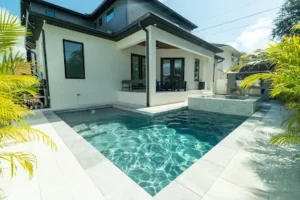
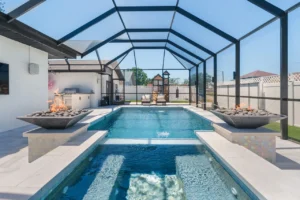



These pool builders are not based in Largo and don't emphasize their services here, but they've shown they work here, too — so check them out, too!
Tell us what your dream pool is all about, and where do you want it. We'll do our best to find a professional pool builder for your project.
Largo runs its own building division rather than deferring to the county, and it keeps its own document checklist for a pool. Before the city will issue a permit, the file needs a survey or site plan, construction drawings, a No Conflict letter from Duke Energy confirming the dig clears their easements, a signed Residential Pool/Spa Safety Act affidavit, and the specs for the pump and any motors. A builder who pulls Largo permits regularly has these ready and files them through the city's online portal without a back-and-forth that adds weeks.
The ground here matters as much as the paperwork. Largo sits low and inland-central on the peninsula, and the water table is shallow enough that excavation frequently reaches groundwater. That calls for dewatering during the dig and a shell engineered against hydrostatic pressure, with a relief valve in the floor so an empty pool cannot be pushed up by the water underneath. Ask a prospective builder how they handle Largo's groundwater — a vague answer is a warning.
Verify the license first, before any design talk. Florida pool builders are state-certified or state-registered through the Florida DBPR, and the online lookup confirms the license number, status, and any complaints. A residential pool contractor holds a CPC- or RP-prefixed license. Confirm the company's insurance is current and that it, not you, pulls the permit and schedules the inspections.
Read each proposal for what it omits. In Largo the gap between two quotes usually traces to the screen enclosure, the safety barrier, and groundwater site work rather than the pool shell itself. Ask for references from recent Largo jobs, ideally in a neighborhood like yours — the city's housing runs from mid-century blocks near downtown to 1970s and 80s subdivisions and manufactured-home communities, and lot size and access vary widely between them.
A pool or spa in the City of Largo is permitted by the city, not Pinellas County. The Largo Building Division reviews and issues residential pool permits, and applications run through the Largo Civic Access Portal, the city's online system for planning, permitting, and inspections. Only properties outside the city limits in unincorporated Pinellas file with the county's Building and Development Review Services instead, so it pays to confirm your address falls inside Largo before you start.
Largo's residential pool application is specific about what it wants. Alongside the standard survey or site plan and the construction drawings, the city asks for a No Conflict letter from Duke Energy, a signed Residential Pool/Spa Safety Act affidavit, and manufacturer specs for the pump and any motors. The review follows the Florida Building Code, and inspections are booked at the usual stages: steel and bonding before the shell pour, plumbing, the safety barrier, and a final after the deck and any enclosure are complete.
Groundwater drives the engineering more than flood maps do across most of Largo. The city sits central on the peninsula, higher and drier than the barrier islands, so full FEMA flood review is the exception rather than the rule here — though the western edge toward the Intracoastal carries some flood-zone parcels worth checking. What nearly every Largo lot shares is a shallow water table, which is why dewatering and a hydrostatic relief valve are standard parts of a local pool build. Screen enclosures, common on Largo pools, take a separate permit of their own.
Largo homeowners tend to ask about two things the county pages gloss over: the city's own paperwork and what the water underground does to a build. Owners who have permitted a remodel in Largo before know the city runs its own desk, but first-time pool buyers are often surprised by the Duke Energy letter and the safety affidavit the application asks for. A builder who files in Largo weekly treats those as routine.
The groundwater question comes up on almost every consultation. People want to know why the crew talks about pumping water out of the hole, whether the pool can float, and what the shallow table does to the schedule. Set against the barrier islands a few miles west, Largo's flood exposure is limited, so the conversation here centers on the dig and the engineering rather than elevation certificates. The questions below reflect what Largo owners raise most.
The city. Largo runs its own building division and issues residential pool permits through the Largo Civic Access Portal. Pinellas County only handles addresses outside the city limits in unincorporated areas. Since city and unincorporated parcels can sit close together, confirm your property is inside Largo before you file so the application lands at the right office.
More than a survey and drawings. Largo asks for a survey or site plan, construction plans, a No Conflict letter from Duke Energy confirming the work clears their easements, a signed Residential Pool/Spa Safety Act affidavit, and specifications for the pump and any motors. A contractor who pulls Largo permits often has this package assembled before you sign.
Yes, on most lots. The water table across Largo sits close to the surface, so excavation commonly reaches groundwater. Crews plan for dewatering during the dig, and the shell is engineered with a hydrostatic relief valve so an empty pool cannot be lifted by the pressure of the water beneath it. Ask your builder how they handle it.
Usually not, though it is worth checking. Largo sits central on the peninsula, higher than the barrier islands, so full FEMA flood review is the exception here. Parcels on the western edge near the Intracoastal are the ones most likely to carry a flood designation. Your builder or the city can confirm the zone for your address.
Check the Florida DBPR license lookup. A residential pool contractor holds a state license, typically with a CPC or RP prefix, and the record shows its status and any complaints. Confirm the license is active, the insurance is current, and the contractor pulls the Largo permit in their own name rather than asking you to file as an owner-builder.
Yes. Screen enclosures are popular on Largo pools for shade and debris control, and each one takes its own building permit and inspection apart from the pool. The enclosure has to meet the code for self-closing, self-latching screen doors. Build it into the original contract so it is priced with the pool instead of added later.
If you didn't find a pool builder for your Largo passion project here, check out the neighbours: professional pool builders usually don't mind travelling a few miles to help new customers with the most exciting projects.