
Pool builders by county
Pool builders serving Broward County. Before you shortlist: Broward writes its own amendments to the state building code through the county Board of Rules and Appeals, and every city reviews against them. Start with the shortlist below.
32 listings here 30 based here
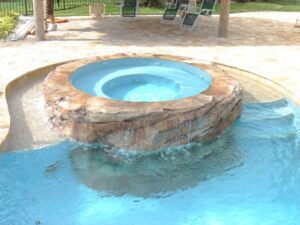
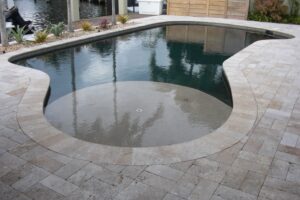
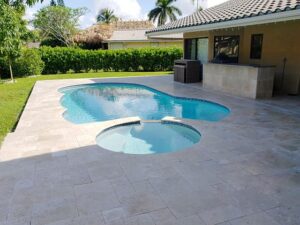
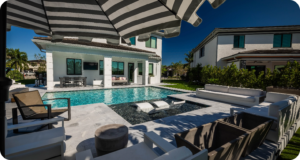
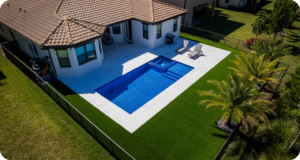

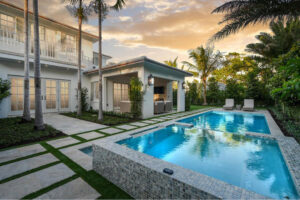
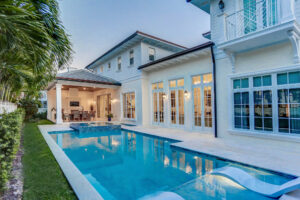
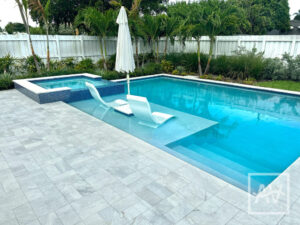

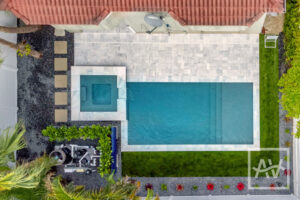
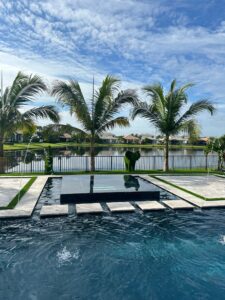
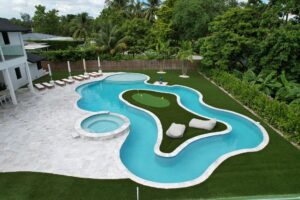
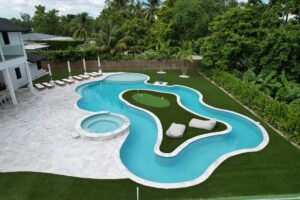
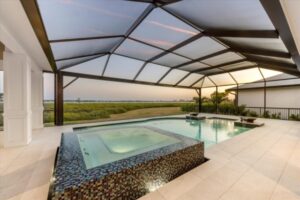
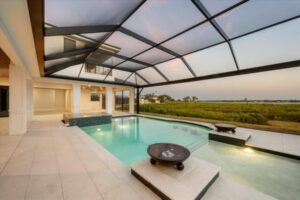
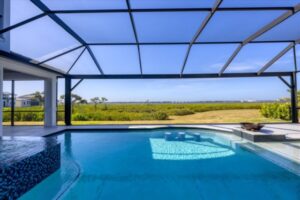
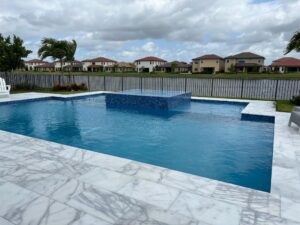
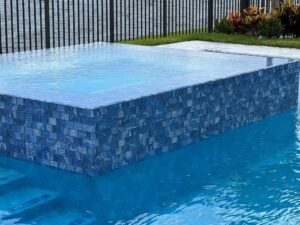
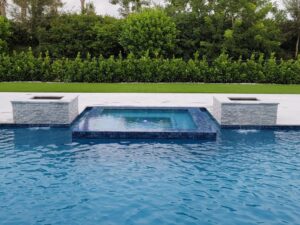

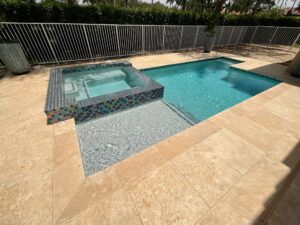
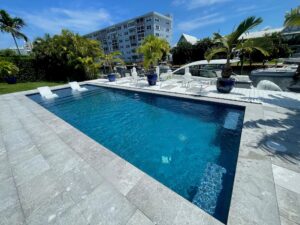
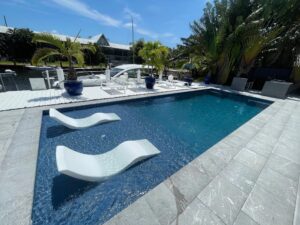
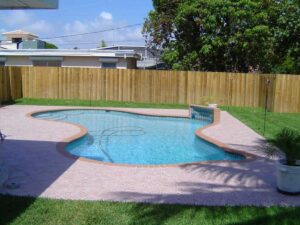
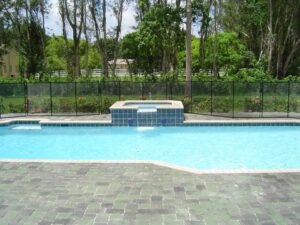
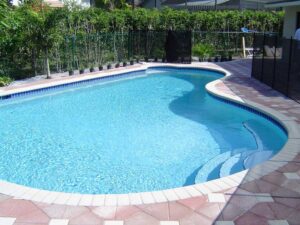
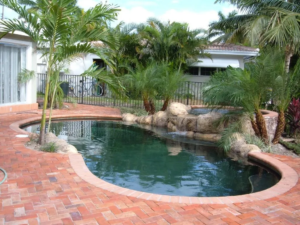
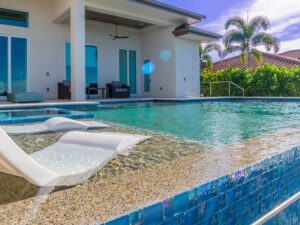
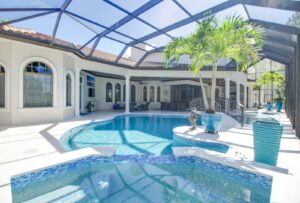
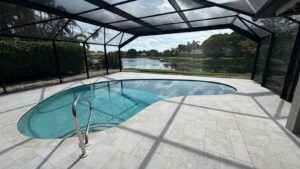
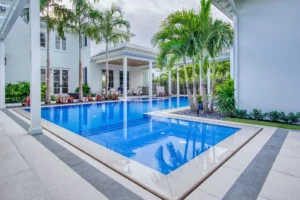
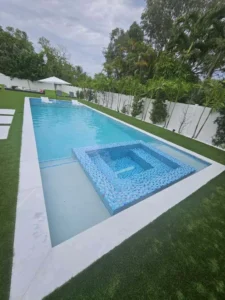
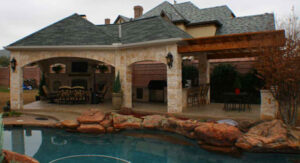
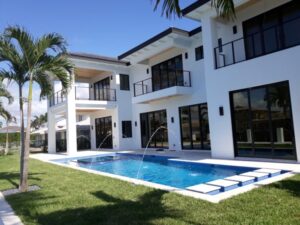
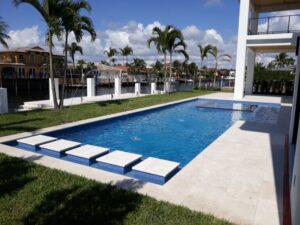








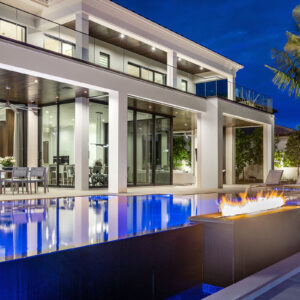
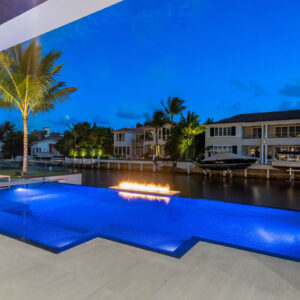


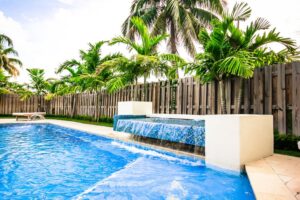
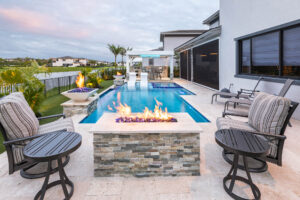
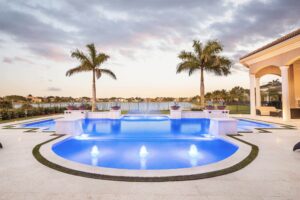
These pool builders are not based in Broward County and don't emphasize their services here, but they've shown they work here, too — so check them out, too!
Tell us what your dream pool is all about, and where do you want it. We'll do our best to find a professional pool builder for your project.
Broward's pool builders work across a patchwork of city building departments — Fort Lauderdale, Hollywood, Pembroke Pines, Coral Springs, Miramar, and two dozen more — plus the small slice of unincorporated county. A contractor who files cleanly in one city can be slow in the next, since each department runs its own counter and its own queue. Ask which municipalities a builder pulls permits in regularly, and favor one who already knows the department that will review your job.
Start with the license. Florida requires a state-certified or state-registered pool and spa contractor, and you can confirm any company's standing through the Florida Department of Business and Professional Regulation. DBPR's license lookup shows the license number, its status, and any discipline on record. A residential pool contractor holds a CPC- or RP-prefixed license; a general contractor's license alone does not cover in-ground pool construction in Florida.
Match the builder to your kind of site. Broward runs from Atlantic barrier-island beachfront and Intracoastal canal lots in the east to dense inland subdivisions out west near the Everglades line. Waterfront and coastal jobs bring flood elevation, seawall setbacks, and tight crane access; a company that mostly pours pools on inland tract lots may not handle those conditions smoothly. Ask for recent work in the same setting as your property.
Get several written proposals and read the scope, not the bottom line. A quote that leaves out the screen enclosure, the barrier fence, or the electrical bonding reads cheaper up front and costs more once the missing work is added back. Screen enclosures are close to standard on South Florida pools for keeping out mosquitoes, debris, and sun, and each one carries its own permit and inspection.
Confirm the builder pulls the permit in their own name and schedules every inspection. A contractor who asks you to file an owner-builder permit is shifting liability onto you. Check that general liability and workers' compensation coverage are current, and ask for references in your own city rather than a name from the far side of the county.
A residential in-ground pool or spa in Broward County needs a building permit before any excavation starts. Who issues that permit turns on your address. Broward is almost fully incorporated, so most homes sit inside one of the county's cities and the permit comes from that municipality's own building department. The small unincorporated remainder is served by the Broward County Building Code Services Division.
The layer that sets Broward apart is the Broward County Board of Rules and Appeals. It administers the Florida Building Code countywide across every municipality, adopts local code amendments, hears appeals of building officials' decisions, and issues code interpretations that bind all thirty-plus cities. The technical standard stays uniform county-wide even though the permit counter changes from city to city.
The permit package includes a site plan showing the pool relative to property lines, the home, and any easements, plus engineered structural drawings, the plumbing layout, and the electrical bonding plan. Plans are reviewed against the Florida Building Code, and inspections are set at stages — steel and bonding before the shell is poured, a plumbing pressure test, the safety barrier, and a final once the deck and enclosure are complete.
Coastal Broward adds a flood layer. The barrier-island beachfront and the county's wide network of canals and Intracoastal frontage place large sections of the east side inside FEMA Special Flood Hazard Areas, split into A and V zones nearest the water. Building in one triggers floodplain review, an elevation certificate from a licensed surveyor, and raised placement for the pump and heater. On beachfront lots seaward of the state's Coastal Construction Control Line, a separate FDEP CCCL permit applies on top of the local building permit.
Homeowners across Broward tend to open with the same handful of worries, and the worries sort by where they live. Owners on the isles off Las Olas, along the Intracoastal, and near the beach ask about flood zones, seawall setbacks, and what a pool does to their insurance. Buyers in the western subdivisions around Weston, Miramar, and Coral Springs ask about HOA approval and how long the whole build takes.
The permit question comes up almost every time, and it trips people up. Broward runs on city building departments rather than one county office, so the counter that handles your job depends on which municipality you live in. The other steady theme is cost creep. People have heard the sticker number on a pool rarely matches the final invoice, and here the usual drivers are the screen enclosure, the barrier fence, and flood-zone site work. The questions below are the ones that surface most often on Broward projects.
Yes. Any residential in-ground pool or spa needs a building permit before excavation. Broward is almost fully incorporated, so for most homes the permit is issued by your city's building department rather than the county. Only the small unincorporated remainder is handled by the Broward County Building Code Services Division. Your licensed contractor normally pulls the permit in their own name.
In most cases, your city. The Board of Rules and Appeals administers the Florida Building Code across all of Broward and hears code appeals, but the permit itself is issued by the municipal building department where your property sits, such as Fort Lauderdale, Hollywood, or Coral Springs. Homes in unincorporated Broward go through the county's Building Code Services Division instead.
On the east side, quite possibly. The barrier-island beachfront and the county's canals and Intracoastal frontage place large areas inside FEMA Special Flood Hazard Areas, marked as A and V zones near the water. A flood designation adds floodplain review to the pool permit, calls for a surveyor's elevation certificate, and usually means the pump and heater sit raised. The flood designation factors into your homeowner's insurance too.
Possibly a state one. Beachfront lots seaward of the Coastal Construction Control Line fall under the Florida Department of Environmental Protection's CCCL program, which requires its own permit for construction and excavation in that zone, on top of the local building permit. The CCCL permit reviews siting, foundation design, and protection of the beach and dune system. A builder who works the coast will flag it early.
Look the company up on the Florida DBPR license portal. A qualified residential pool contractor carries a state license, usually with a CPC or RP prefix, and the record shows whether it is active and clear of discipline. A general contractor's license alone does not cover in-ground pool construction in Florida, so confirm the specific pool and spa credential before you sign.
Yes. Screen enclosures are common on Broward pools for keeping out mosquitoes, debris, and harsh sun, and each one needs its own building permit and inspection, separate from the pool shell. The enclosure has to meet the code for self-closing, self-latching screen doors. Fold it into the original contract so it is not billed later as a costly add-on.
If you didn't find a pool builder for your Broward County passion project here, check out the neighbours: professional pool builders usually don't mind travelling a few miles to help new customers with the most exciting projects.