
Orange County
Southern Pool Designs – Luxury Custom Pools Lake Nona & St. Cloud
8.2
FloridaPoolz Score
DBPR verified
Pool builders by county
Pool builders serving Seminole County. All seven cities here run their own building department and their own portal, and the county's system covers unincorporated land only. Start with the shortlist, then file with the right one.
27 listings here 24 based here
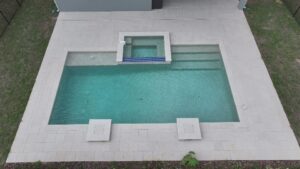
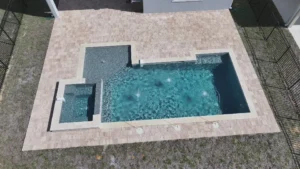
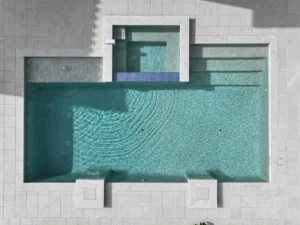
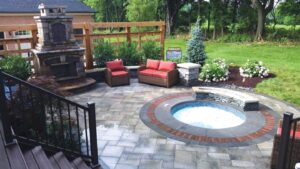
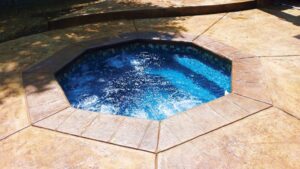
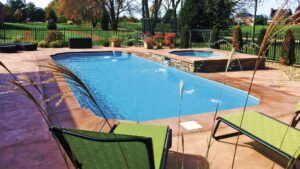
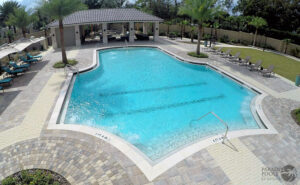
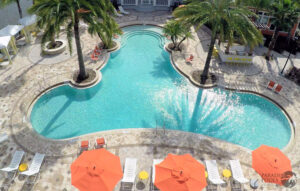
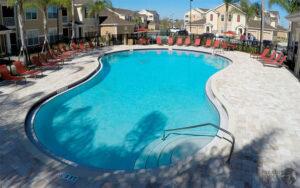
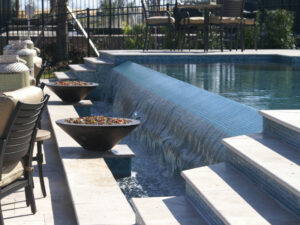
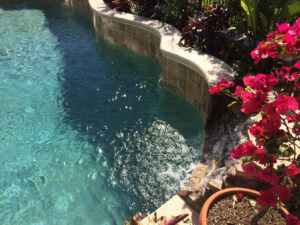
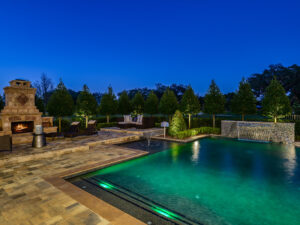
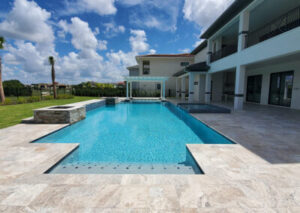

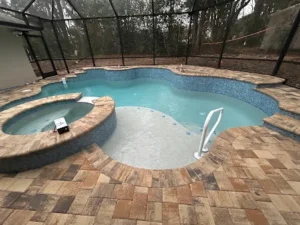
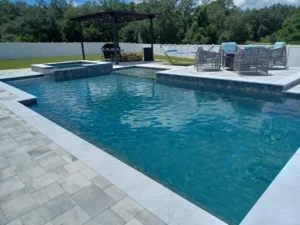
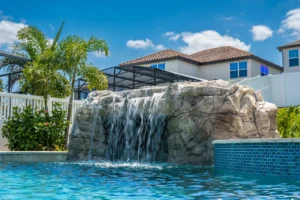
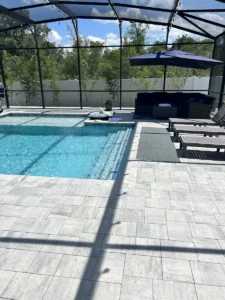
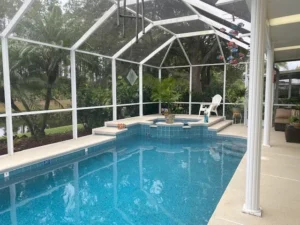
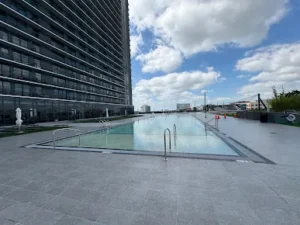
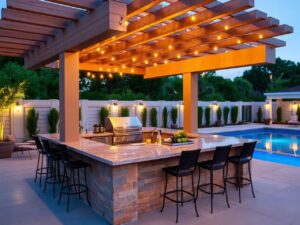
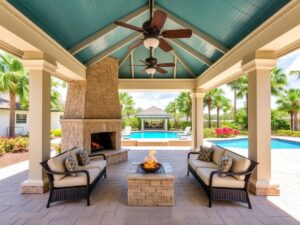
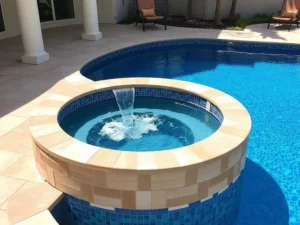
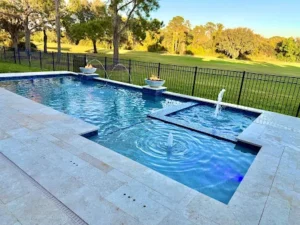
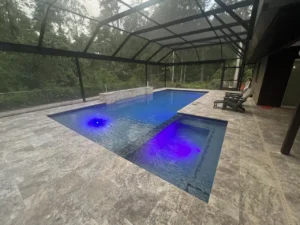
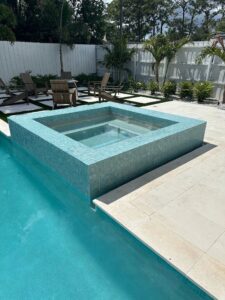
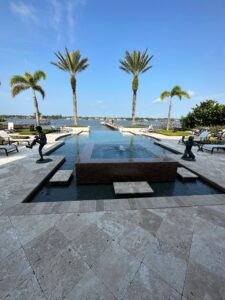
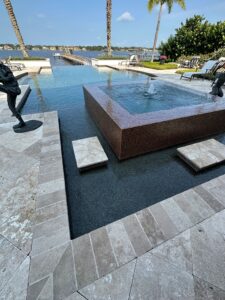
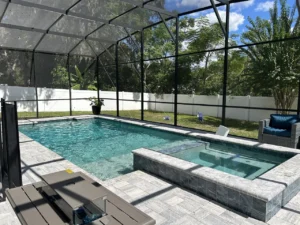
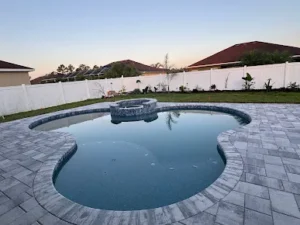
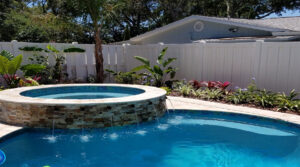
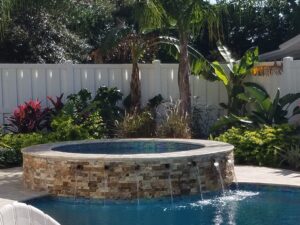
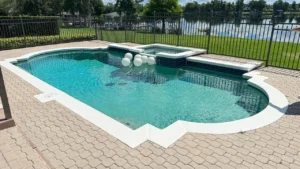
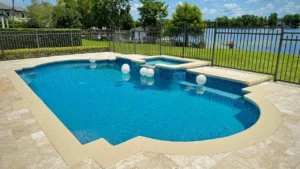
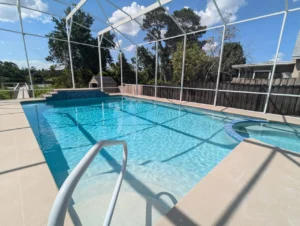
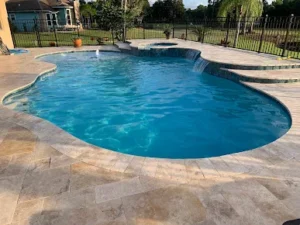
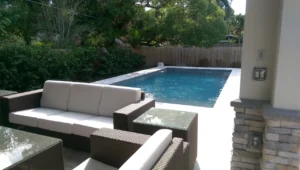
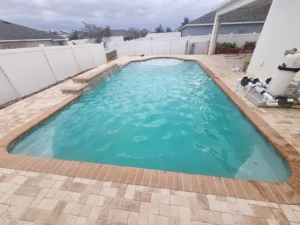
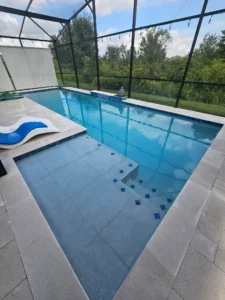
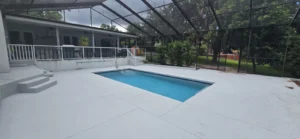

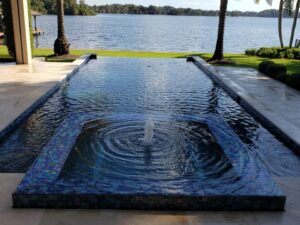
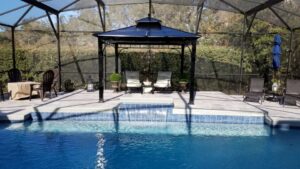
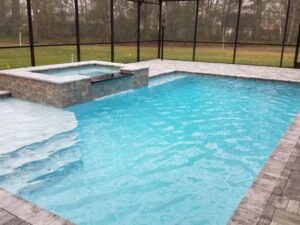


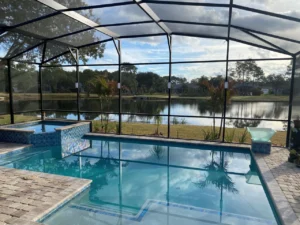
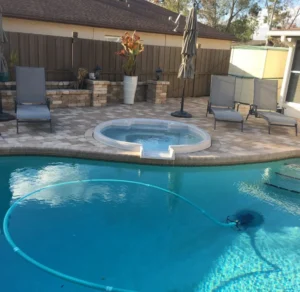
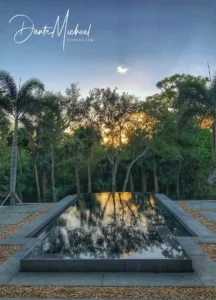
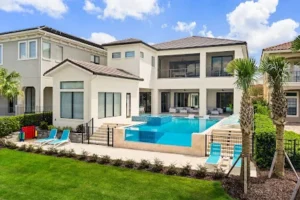
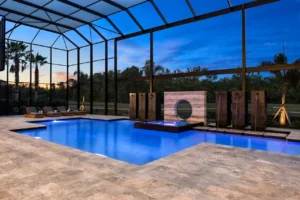
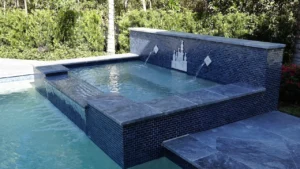
These pool builders are not based in Seminole County and don't emphasize their services here, but they've shown they work here, too — so check them out, too!
Tell us what your dream pool is all about, and where do you want it. We'll do our best to find a professional pool builder for your project.
Seminole is the cleanest rule in Florida permitting and the easiest to get wrong: every one of its seven incorporated cities runs its own building department, and none of them route pool permits through the county.
| Where the lot sits | Who reviews the pool plans |
|---|---|
| Sanford, Altamonte Springs, Casselberry, Lake Mary, Longwood, Oviedo, Winter Springs | That city's own department and its own portal |
| Unincorporated Seminole only | The county's Building Division, in Development Services |
Every incorporated city in Seminole County — Sanford, Altamonte Springs, Casselberry, Lake Mary, Longwood, Oviedo, and Winter Springs — runs its own building and permitting department, and none of them route pool permits through the county. Seminole County’s own Building Division, part of Development Services in Sanford, says explicitly that its online permit system covers only “properties in unincorporated Seminole County” — meaning if a property sits inside any of those seven city limits, the county isn’t the office to apply to at all.
The seven cities don’t even share software with each other: Sanford and Casselberry both use a platform called Citizenserve, Altamonte Springs runs its permitting through Tyler Technologies’ EnerGov, Lake Mary and Oviedo both use a vendor called GoPost/ePlanSoft, Longwood uses SmartGov, and Winter Springs runs its own portal. The county itself uses yet another system, Click2Gov, paired with ProjectDox for electronic plan review. Eight offices, effectively eight systems — which makes confirming the right one before applying more important here than in most Florida counties.
Because the county’s own portal only covers unincorporated land, the practical first step for any homeowner is figuring out whether a specific address sits inside one of the seven cities or in unincorporated territory — places like Geneva, Chuluota, Fern Park, and Sylvan Lake fall under the county by default, but a “Sanford, FL” or “Oviedo, FL” mailing address doesn’t always mean the property is actually inside that city’s limits. Each of the seven cities also publishes its own pool-specific permit paperwork rather than relying on a shared county form — Longwood has a dedicated Pool, Spa, and Hot Tub application, Oviedo splits its guidelines by residential above-ground versus commercial pools, and Sanford separates pool permits into above-ground, commercial, and residential categories — which is itself a sign of how independently each department actually operates.
Every one of these offices, city or county, enforces the same underlying state law: Florida’s Residential Swimming Pool Safety Act, Chapter 515 of the Florida Statutes.
Seminole County’s own building division goes further than most in making this concrete — its Residential Swimming Pool Safety Affirmation form requires a contractor to check off exactly which barrier method a new pool uses under Florida Building Code section R4501.17: a compliant perimeter fence or gate, a mesh safety barrier, a screen enclosure, door and window alarms rated at 85 decibels, self-closing and self-latching hardware, an approved safety cover, or a pool alarm that detects unauthorized entry into the water — and that documentation has to be in place before the pool passes its safety inspection. Skipping it is a second-degree misdemeanor under state law, though a homeowner can cure a citation by adding a qualifying feature and completing a drowning-prevention course within 45 days.
Whichever office issues the permit, the contractor doing the work needs a state-level license under Chapter 489 of the Florida Statutes — either a Certified Pool/Spa Contractor (CPC) license or the broader Certified Building Contractor (CBC) credential, both verifiable through DBPR’s public license lookup rather than taken on faith.
One more thing worth flagging for anyone applying soon: Seminole County’s building official has notified applicants that, starting August 1, 2026, a formboard survey confirming finished floor elevation has to be on site at the time of the slab inspection, under the county’s own locally amended building code (Chapter 40 of the county’s code of ordinances, built on the 2023 Florida Building Code). It’s a small requirement, but exactly the kind of local detail a generic “how to build a pool in Florida” guide won’t mention.
A recurring theme in what Seminole County homeowners want to know is the gap between a modest budget and what a full custom pool actually costs.
Questions about what a $10,000 pool looks like, whether $30,000 is realistic for an inground pool, or what a “cowboy pool” actually involves — the stock-tank-style setup that’s become a workaround for people priced out of a traditional build — all point to the same underlying question: is there a legitimate lower-cost path to a backyard pool, or does anything short of a full custom project not really apply here. The honest answer is that a stock-tank or above-ground setup sidesteps a lot of the cost of a custom gunite pool, but it doesn’t sidestep Florida’s safety-barrier law or, in most cases, the permit requirement itself — a pool of meaningful depth still needs to meet the same barrier and alarm rules as a much larger custom build.
The permitting side generates its own distinct set of questions, separate from cost. Homeowners look for a permit portal, want to know what a permit costs, and want to understand what actually happens if the step gets skipped entirely — and in Seminole County specifically, that search has to start with figuring out which of eight different offices actually has jurisdiction.
Someone with a Sanford or Oviedo address might assume the county handles it, when in fact all seven cities in Seminole County run entirely separate building departments from the county government, each with its own online system and its own pool-specific paperwork. Getting that first step wrong — applying to the county when a city actually has jurisdiction, or the reverse — is one of the more common ways a straightforward pool project turns into a delayed one.
Contractor selection is the third major thread, and it shows up less as “how do I find someone” and more as “how do I make sure this person is legitimate.” Verifying an active CPC or CBC license through DBPR’s public lookup, rather than taking a company’s word for it, addresses most of that concern directly. It matters more in a county with this many separate permitting jurisdictions than in a single-city market, since a contractor genuinely experienced with, say, Longwood’s process isn’t necessarily equally familiar with Oviedo’s or Winter Springs’, and a contractor who’s vague about which office they’ll actually be filing with is worth a second look.
Timing questions come up too, though less dramatically than cost or permitting. Pool construction happens year-round in Central Florida, but the drier stretch running roughly from late fall through spring is generally considered the more predictable window for excavation and concrete work, and permit review queues at most of these offices tend to get busier as more homeowners apply heading into that same season. Applying earlier rather than waiting tends to matter more than picking an ideal calendar month.
None of this changes from one city to the next within the county, but the practical reality is that “Seminole County pool permit” isn’t really a single process — it’s seven separate city processes plus one county process, and the homeowner’s job is figuring out which one applies before anything else happens.
Yes, a building permit is required statewide for essentially every in-ground pool and most above-ground ones. In Seminole County specifically, which office issues that permit depends on the address: unincorporated county land goes through Seminole County's own Building Division, while a property inside Sanford, Altamonte Springs, Casselberry, Lake Mary, Longwood, Oviedo, or Winter Springs goes through that city's separate building department instead.
The building department with jurisdiction over the address can require retroactive inspection or removal of the unpermitted work, and unpermitted pools routinely surface as a problem during a home sale, since buyers' inspectors and title searches check permit records. Permitted construction is also what triggers the safety inspection tied to Florida's pool-barrier law, so skipping the permit means skipping that safeguard too.
It varies by jurisdiction and by the declared value of the project, since each of the seven cities and the county set their own fee schedules. The reliable way to get an actual number is checking the specific office with jurisdiction over the property, rather than assuming a flat countywide fee applies.
We would not quote a figure. Shell type moves it most, then size, site preparation, decking and screening. A cheaper build is usually cheaper because something has been left out of the scope rather than because the same pool costs less, so compare itemised quotes from licensed contractors line by line rather than at the bottom.
Whichever building department has jurisdiction over the specific address - Seminole County's Building Division for unincorporated land, or the relevant city's own department for a property inside Sanford, Altamonte Springs, Casselberry, Lake Mary, Longwood, Oviedo, or Winter Springs. Each of these runs its own online permit system, so confirming jurisdiction before applying saves a resubmission later.
Through the online system belonging to whichever office actually has jurisdiction - the county's own portal for unincorporated properties, or that city's separate system for anything inside one of the seven incorporated cities. The two aren't connected, so the county's portal won't show a permit filed with a city, or the reverse.
Very minor maintenance and repair work is generally exempt, but new pool construction, structural alterations, and anything touching the required safety barrier are not - those steps need a permit and inspection regardless of who's doing the work, owner or contractor.
If you didn't find a pool builder for your Seminole County passion project here, check out the neighbours: professional pool builders usually don't mind travelling a few miles to help new customers with the most exciting projects.