
Miami-Dade County
Captain Harry’s Hi Tech Pools, Inc.
8.2
FloridaPoolz Score
DBPR verified
Since 2013
Pool builders by city
Pool builders serving Miami. Worth knowing before you call anyone: Miami runs its own building department, separate from Miami-Dade County. Start with the shortlist, then check which office has your address.
25 listings here 22 based here
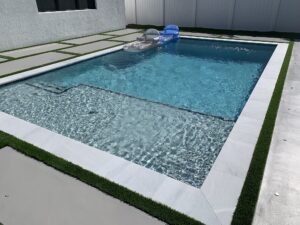
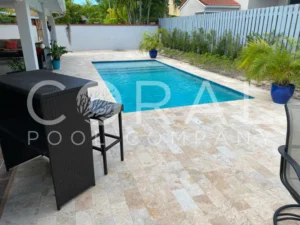
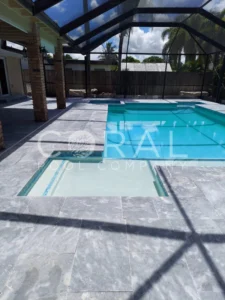
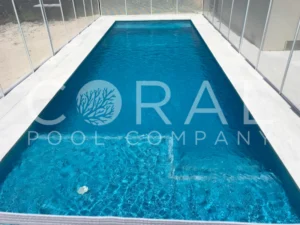
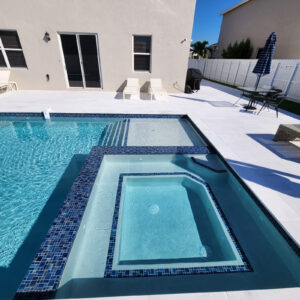
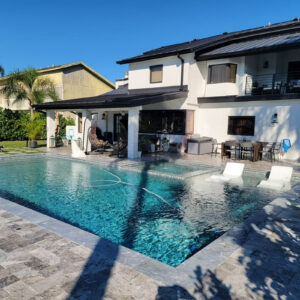
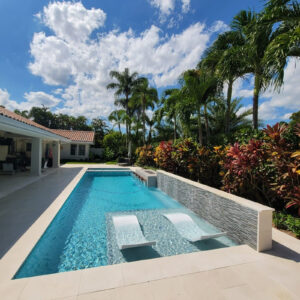
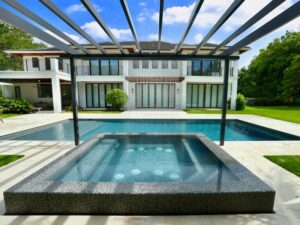
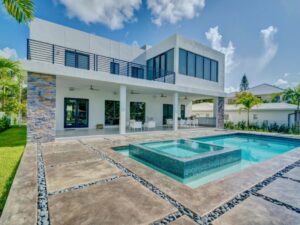
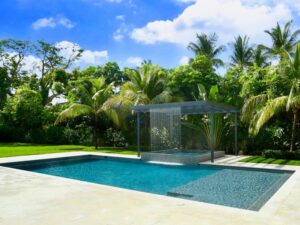
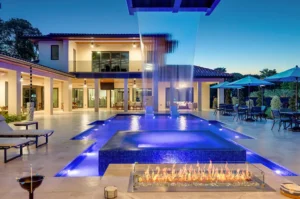
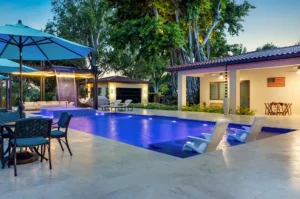
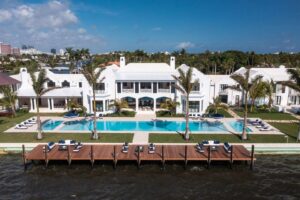

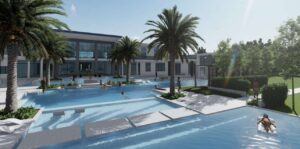
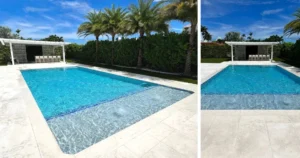
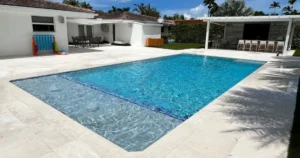

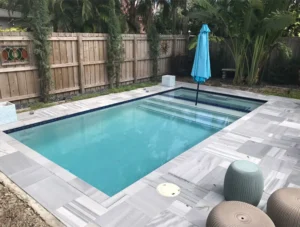
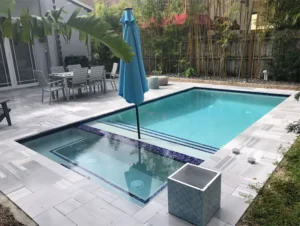



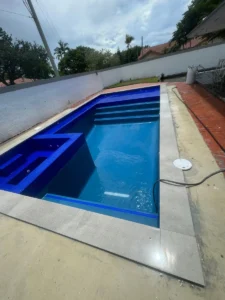
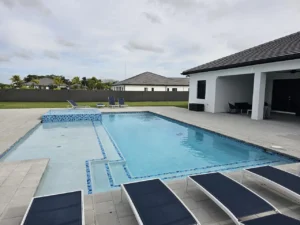
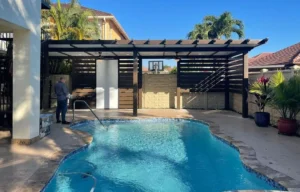


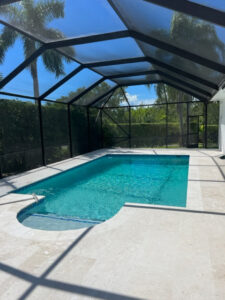
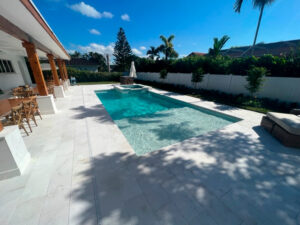






These pool builders are not based in Miami and don't emphasize their services here, but they've shown they work here, too — so check them out, too!
Tell us what your dream pool is all about, and where do you want it. We'll do our best to find a professional pool builder for your project.
A pool in the City of Miami is permitted by the city itself, not by the county, and the builder you hire should file through the city's own system every week. The City of Miami Building Department reviews plans and schedules inspections from the Miami Riverside Center downtown, running submittals through its iBuild portal with electronic plan review. A contractor fluent in that process moves faster than one who mostly works unincorporated county jobs.
City lots are the second thing to weigh. Neighborhoods from Coconut Grove and Coral Way to Shenandoah and Morningside carry a wide range of parcel sizes, and many in-town yards are tight once you account for property-line setbacks and the required safety barrier. On a bay-front or canal lot in an area like Coconut Grove, seawall condition and water access shape where the pool and deck can go. A builder who walks the yard first will tell you honestly what fits.
Confirm the license before signing. Florida pool builders are state-certified or state-registered through the Florida DBPR, and the online lookup shows the license number, its status, and any complaints. A residential pool contractor carries a CPC- or RP-prefixed license. Check that general liability and workers' compensation coverage are current, and that the company pulls the permit in its own name rather than asking you to.
Miami sits inside the High-Velocity Hurricane Zone, so any screen enclosure or pool cage has to be built from products carrying a Miami-Dade Notice of Acceptance. Ask how a prospective builder documents those NOA numbers and details the anchoring. Read every proposal for what it leaves out: hurricane-rated enclosure framing, the barrier, and electrical bonding are the line items that separate a thin quote from a complete one.
Inside the city limits, a residential pool permit comes from the City of Miami Building Department, not from Miami-Dade County. The department issues and inspects all building permits within the city and enforces the Florida Building Code together with the Miami-Dade County code the whole region shares. Applications and plans go through the city's iBuild platform, and a home with a Miami mailing address that actually sits in unincorporated county land is permitted by the county instead; the property record settles which applies.
An in-ground pool or spa needs the permit before excavation. The submittal carries a site plan showing the pool against property lines and structures, engineered structural drawings, the plumbing layout, and the electrical bonding plan, signed and sealed by a design professional. Inspections follow the build: reinforcing steel and bonding before concrete, a plumbing pressure test, the safety barrier, and a final after the deck and any enclosure are complete.
Miami's place in the High-Velocity Hurricane Zone shapes everything built above the waterline. Screen enclosures and pool cages have to use products with a Miami-Dade Notice of Acceptance, tested for the wind pressure and missile impact expected here, and each product needs a permanent NOA label an inspector can confirm. On bay-front and riverfront lots, low ground puts many properties inside a FEMA Special Flood Hazard Area, which adds flood review and raised placement for the pump and heater.
Two questions open almost every Miami pool consultation: who issues my permit, and will a pool even fit on my lot. The permit answer trips up owners who assume a Miami address always means a city permit; some homes with a Miami mailing address sit in unincorporated county land and go through the county instead. The fit question comes from the city's older, tighter parcels, where setbacks and the four-foot barrier eat into small yards.
The hurricane zone is the third recurring theme. Owners hear that an enclosure in Miami costs more than the same cage inland and want to know why, and the answer is the wind-load standard and the approved framing it requires. On the bay and the river, flood zones, seawalls, and insurance round out the list, since a pool changes both how the yard drains and what the homeowner's policy costs. The questions below cover what Miami homeowners ask most.
Homes inside the City of Miami limits are permitted by the City of Miami Building Department, which runs plan review and inspections through its iBuild portal downtown. A property with a Miami mailing address that actually sits in unincorporated Miami-Dade goes through the county instead. Checking the property record tells you which office applies before you file.
Sometimes it is tight. Many older parcels in neighborhoods like Shenandoah and Coral Way leave limited room once you account for property-line setbacks and the required four-foot barrier. A builder who knows the city will walk the yard and lay out the shell and deck around those constraints before drawing final plans.
The High-Velocity Hurricane Zone is the reason. Miami-Dade and Broward hold Florida's strictest wind-load rules, so screen enclosures and pool cages must use products with a Miami-Dade Notice of Acceptance, tested for extreme wind and impact. The approved framing and anchoring cost more than a standard inland cage, and inspectors reject any unlabeled product.
Check the Florida DBPR license lookup. A residential pool contractor holds a state license, usually with a CPC or RP prefix, and the record shows its status and any complaints. Confirm the license is active, the insurance is current, and the contractor pulls the permit in their own name rather than asking you to.
Often, yes. Low-lying bay-front and canal lots frequently fall inside a FEMA Special Flood Hazard Area, which adds flood review and usually means the pump and heater sit raised. Seawall condition and water access can shape where the pool and deck go, so a builder who works Miami waterfront should assess the site early.
If you didn't find a pool builder for your Miami passion project here, check out the neighbours: professional pool builders usually don't mind travelling a few miles to help new customers with the most exciting projects.