
Pool builders by service
A pool with spa in Florida usually means one structure rather than two: the spa is shot with the same shell, raised so it spills back into the pool, and shares the equipment. It's the part of the backyard that earns its keep in January. Below, why adding one later is a build rather than an upgrade, and the builders across the state who do it.
276 listings here
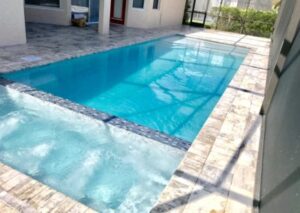
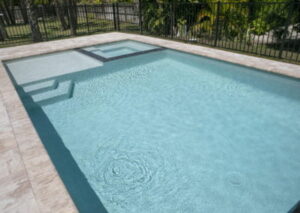
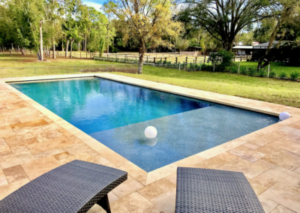
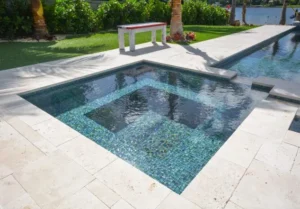
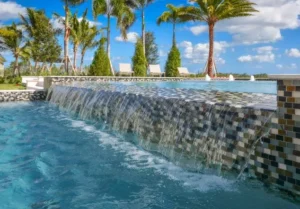
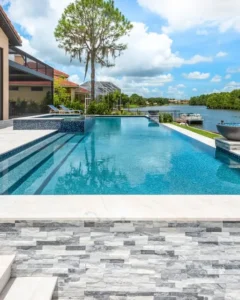
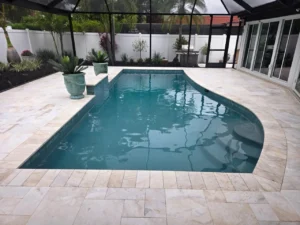
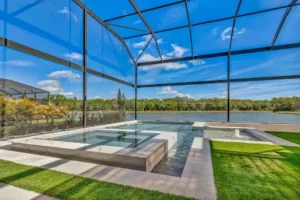
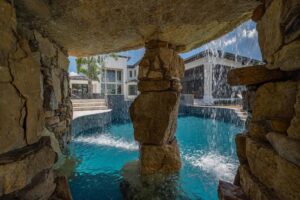
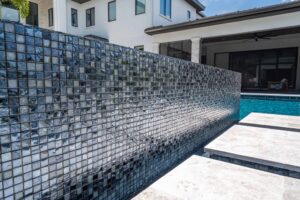
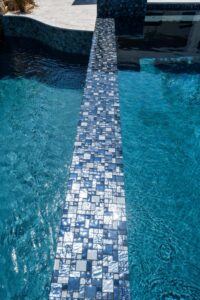
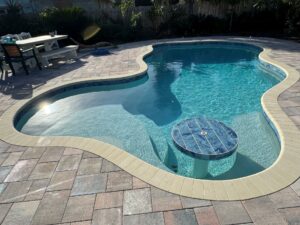
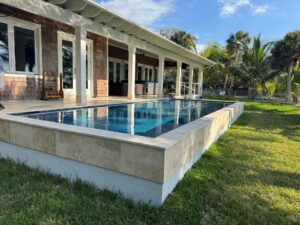
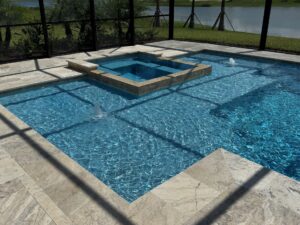
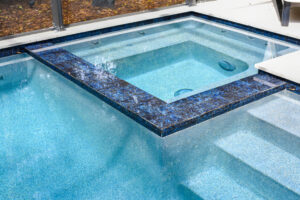
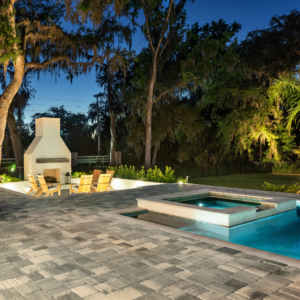
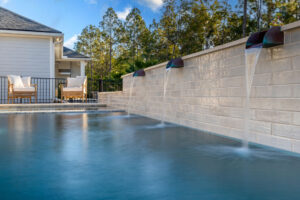
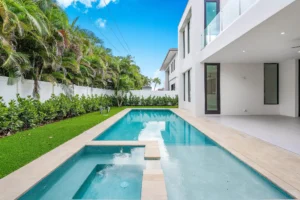
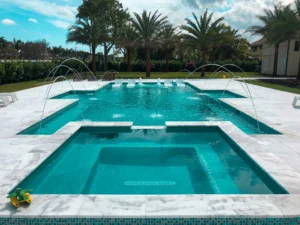
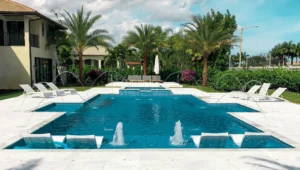
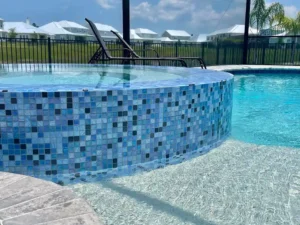
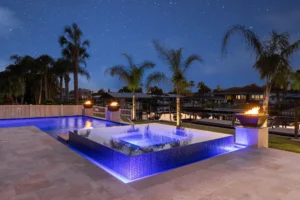
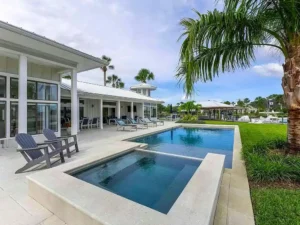


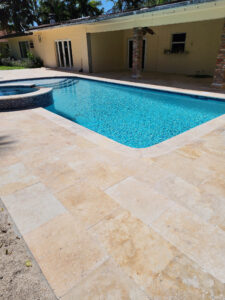
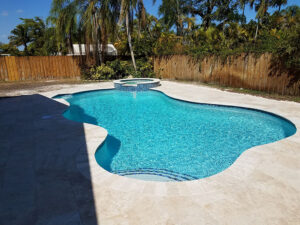
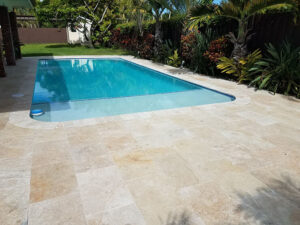
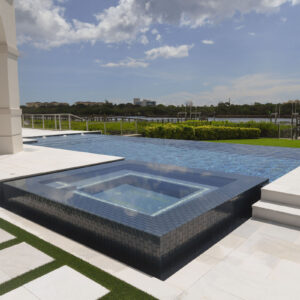
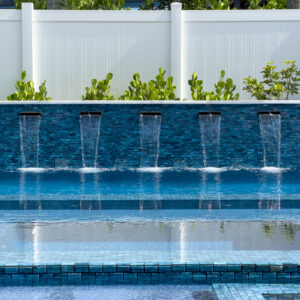
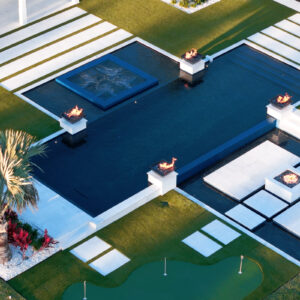
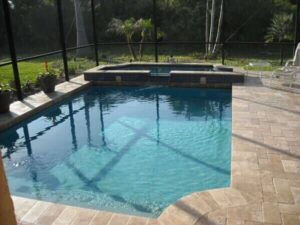
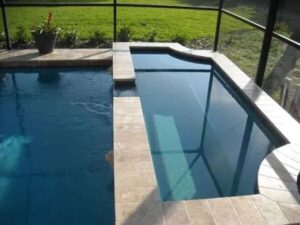
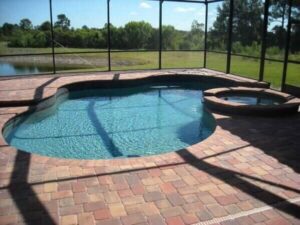
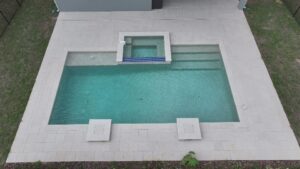
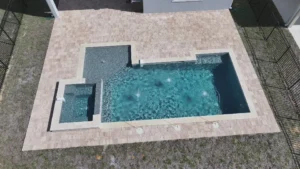
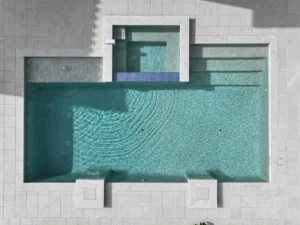
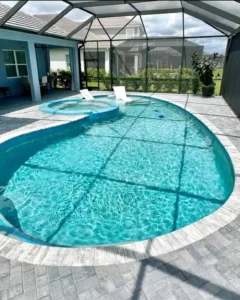
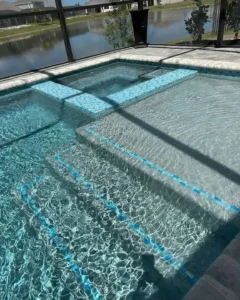
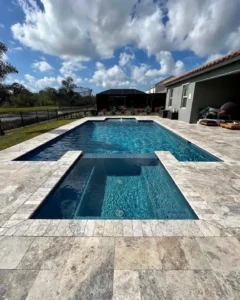
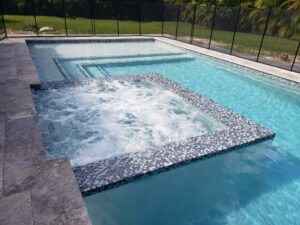
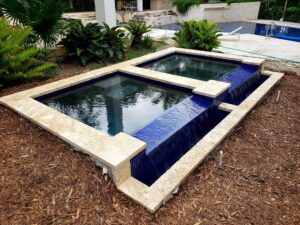
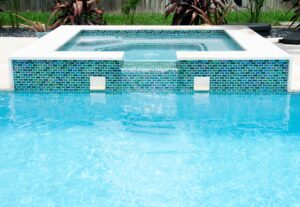
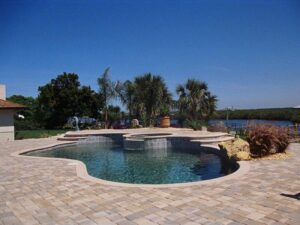
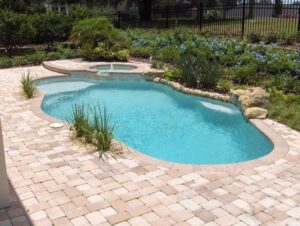
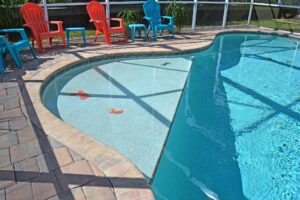
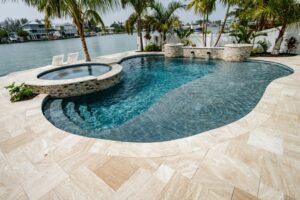
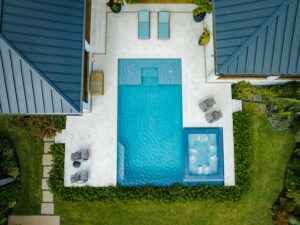
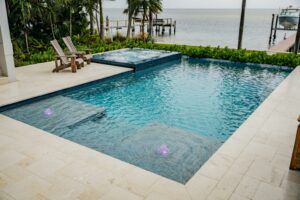
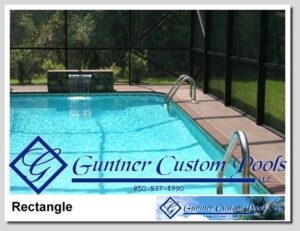
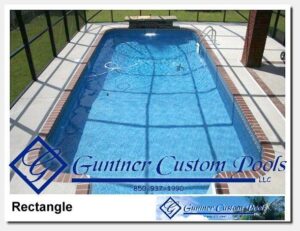
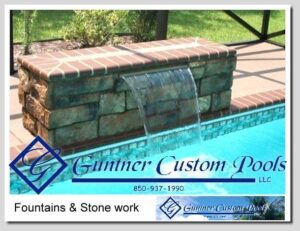
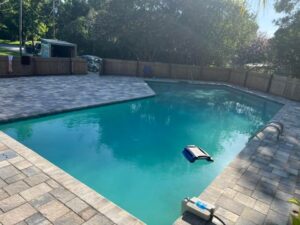
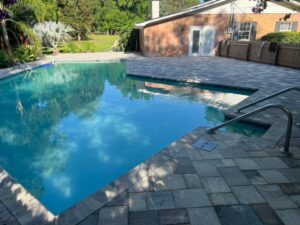
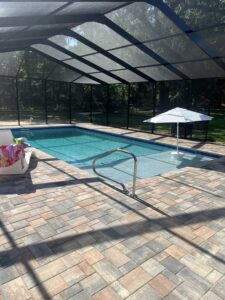
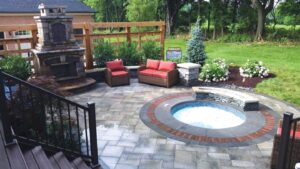
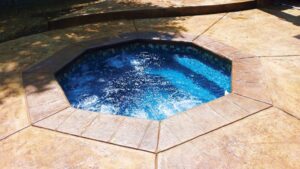
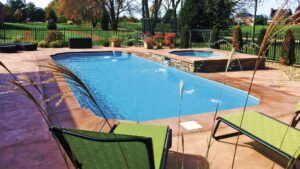
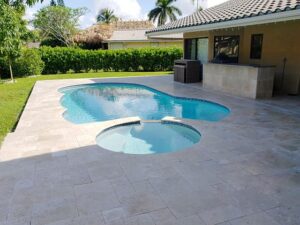
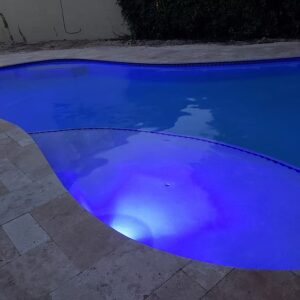
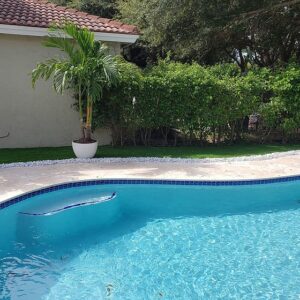
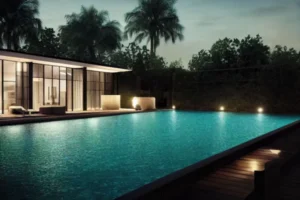
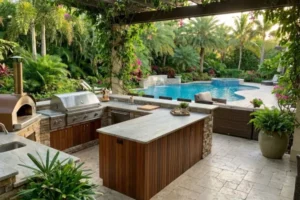
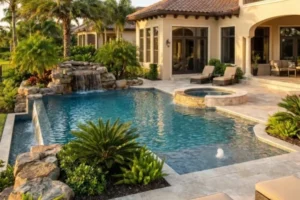
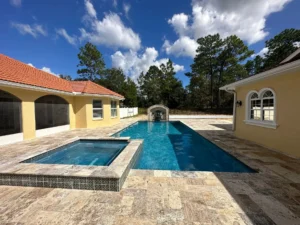
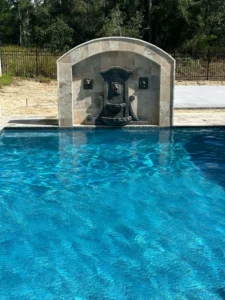
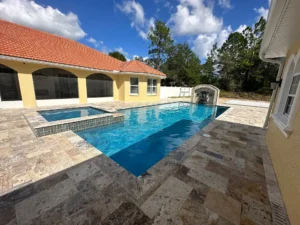
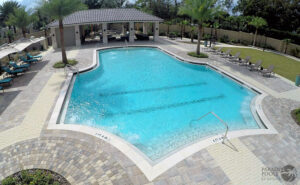
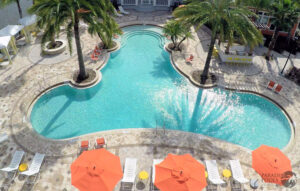
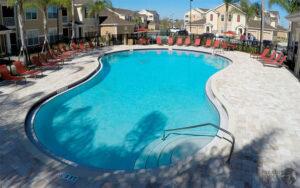
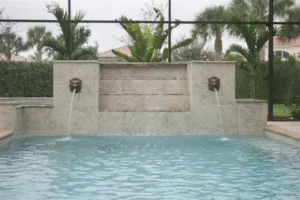
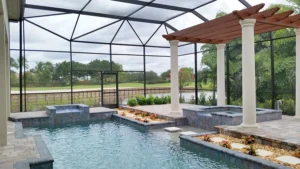
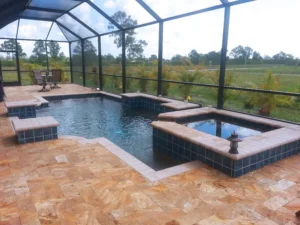
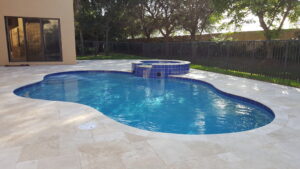
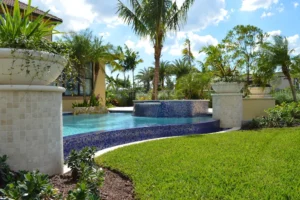
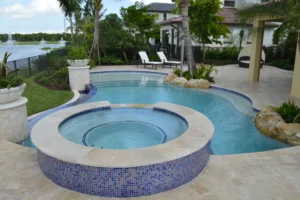
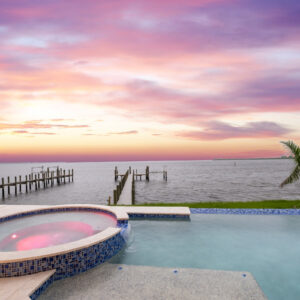
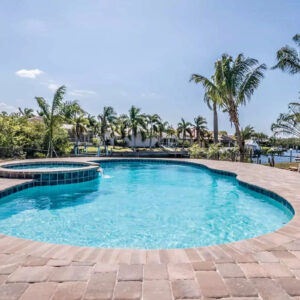
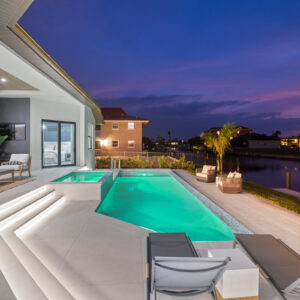
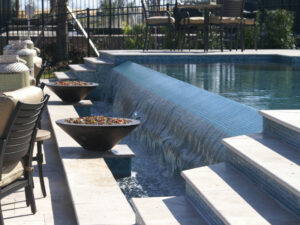
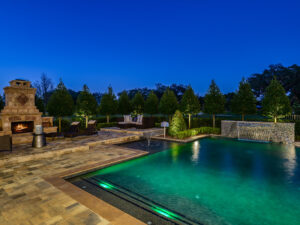
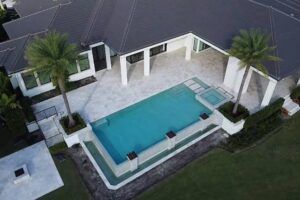
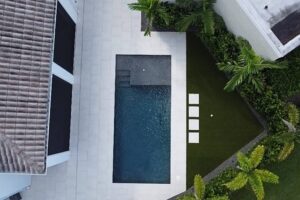
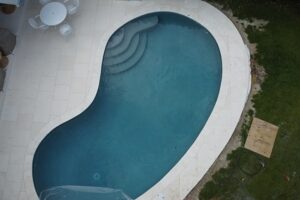
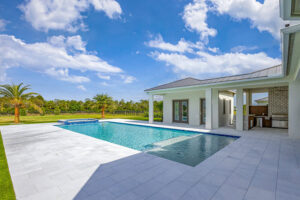
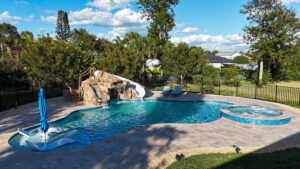
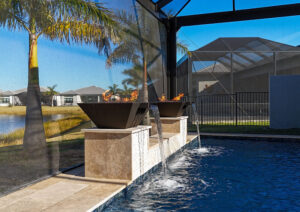
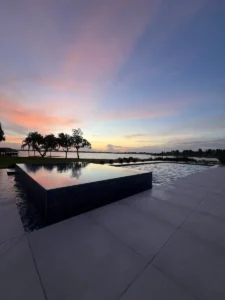
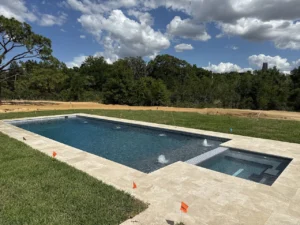
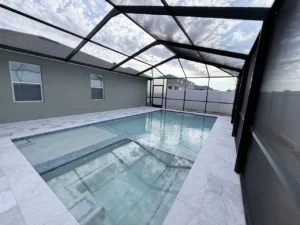
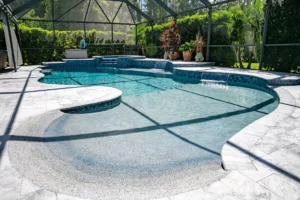
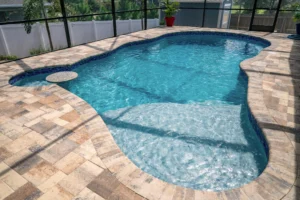
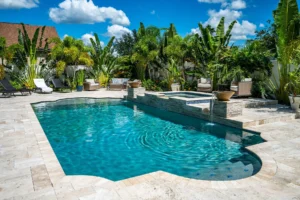
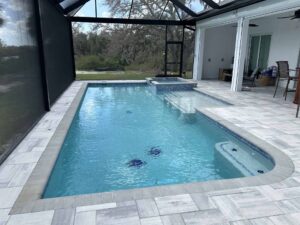
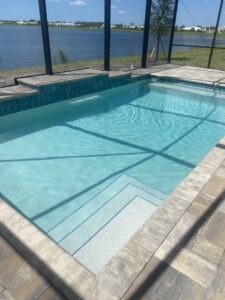
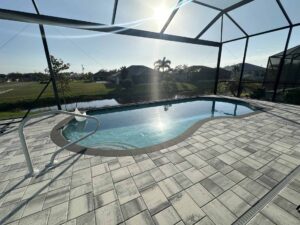
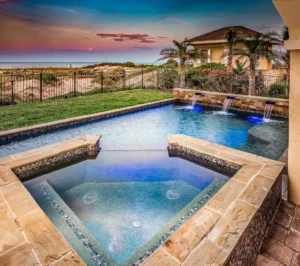
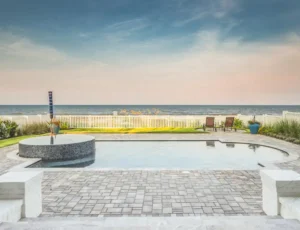
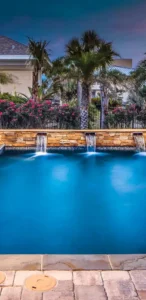
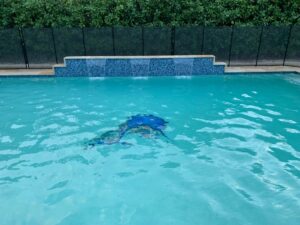
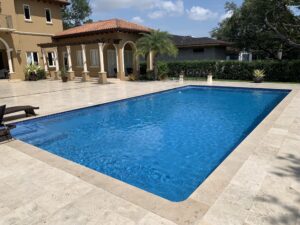
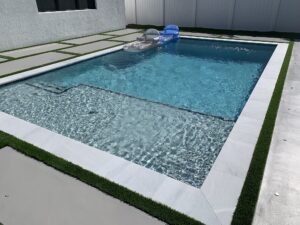
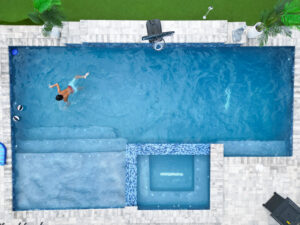
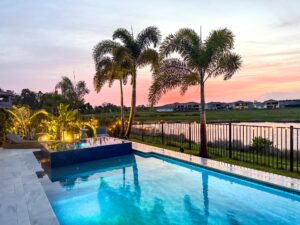
In Florida this almost always means one structure, not two. The spa is shot as part of the same shell, usually raised above the waterline so it spills back into the pool, and it shares the pool's plumbing, its equipment pad and often its heater. A separate acrylic hot tub sitting on the deck is a different product entirely and a different purchase.
The reason the integrated version dominates here is the one nobody says out loud: a spa is the part of the backyard that gets used in January. A Florida pool has four cool months where the water is not tempting, and a spa held at temperature is usable in every one of them. That is what the extra plumbing buys.
The vocabulary matters when reading quotes, since builders use all three words loosely and the drawing settles what the word does not.
| On the drawing | What it means | Shares the pool's equipment? |
|---|---|---|
| Spillover spa | Raised above the waterline, overflows into the pool | Yes |
| Integrated or attached spa | Shares a wall, may sit flush with the pool | Yes |
| Swim spa | A self-contained unit, not a pool feature | No |
| Freestanding hot tub | A retail product on a pad | No |
This is the module that changes decisions, and the honest answer is unwelcome. Retrofitting a spillover spa into a finished gunite pool means cutting the shell and the bond beam, tying new steel into old, shooting the spa, re-plumbing to the pad and rebuilding the deck around it. Every one of those steps is normal construction. Together they are a build, not an addition.
What makes it a build rather than an upgrade:
Which is why the sequencing advice on this page is blunter than on most: if there is any chance of wanting a spa, draw it now and build it now. The tiling and the heater can wait. The plumbing is trenched once. Opening the ground twice is where the cost lives.
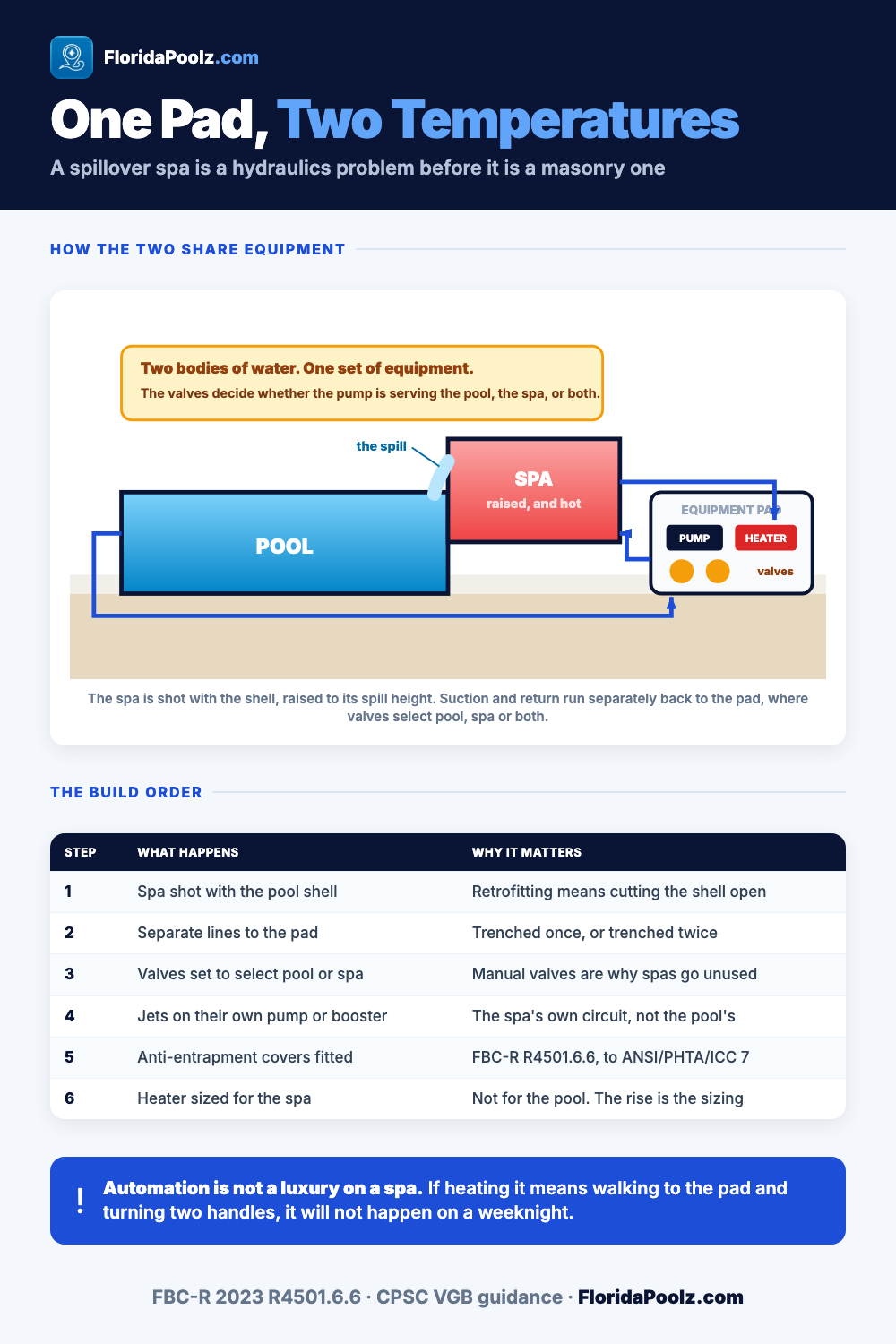
An integrated spa is a hydraulics problem before it is a masonry one. Both bodies of water are served by one set of equipment, and the switching between them is the part that gets designed.
Step five is not optional and it is worth an owner knowing about. The Florida Residential Code requires entrapment protection on suction outlets to ANSI/PHTA/ICC 7 under R4501.6.6, and the federal Virginia Graeme Baker Pool and Spa Safety Act has required compliant anti-entrapment covers on public pools and spas since December 2008. A spa is a small volume with strong suction, which is precisely the geometry those rules exist for.
Step three is the one that determines whether the thing gets used. On a manual valve arrangement, heating the spa means walking to the pad and turning two handles, then walking back an hour later. On automation it is a button. Almost every owner who says their spa "never gets used" is describing a manual valve.
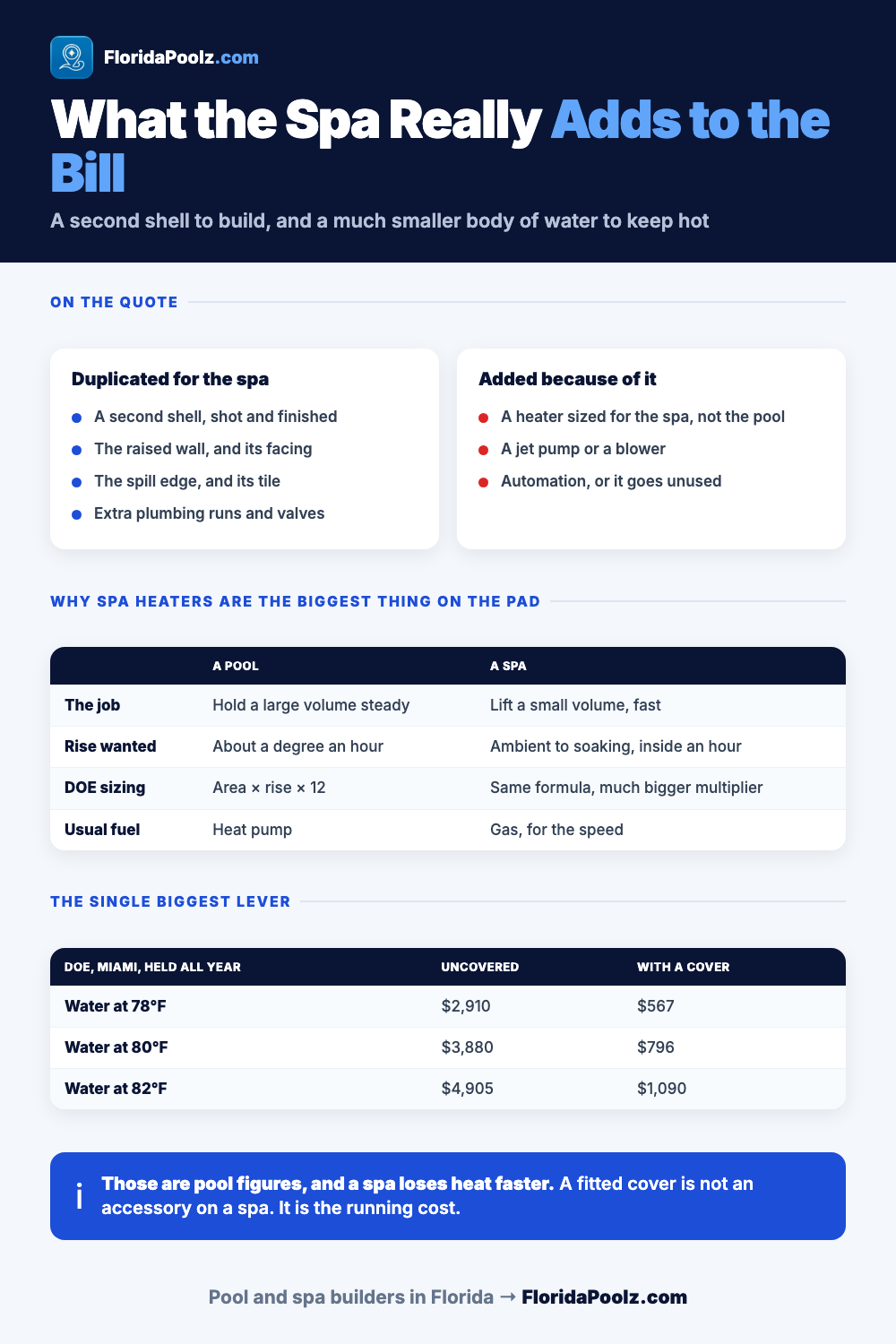
A spa is not a small line item and it is not priced by its volume. The price is everything that has to be duplicated.
The heater is the one that moves the number most, and the one most often value-engineered out of a first quote and then added back. A pool heater and a spa heater are the same category of equipment with very different sizing arguments, which is covered below.
This is where a spa stops being cheap, and the arithmetic is worth understanding before rather than after.
The Department of Energy publishes the sizing formula the trade uses: pool area multiplied by the temperature rise required, multiplied by twelve, and it notes that the multiplier scales with how fast you want that rise. A pool is happy warming a degree an hour. A spa is expected to go from ambient to soaking temperature in under an hour, and that ratio is why spa heaters are the biggest thing on most equipment pads.
A heat pump moves heat slowly and cheaply, which suits a large body of water held at a steady temperature. A spa is the opposite job: a small volume, a big rise, wanted now. That is the argument for gas on a spa even where a heat pump is the right answer for the pool, and plenty of Florida installations run both.
The Department of Energy's own Miami figures make the point for a pool, where holding 80°F all year costs $3,880 uncovered and $796 with a cover. A spa held at soaking temperature is a much smaller surface losing heat much faster, so a fitted cover is not an accessory. That cover is the single largest lever on the running cost, and a spa without one is a heater running against the sky.
Standing in front of a finished pool-and-spa, a few things are visible without any expertise.
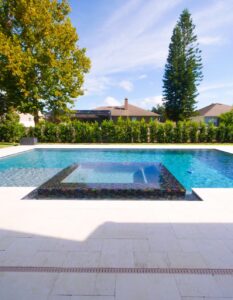
The spill is the tell. An even sheet over the whole edge means the spa was built level and the spill height was set properly. A spill that runs down one corner means it was not, and levelling it afterwards means cutting the edge. Look for it in photographs, since it is one of the few things a camera reliably shows.
Seat depth is the other and it is a surprisingly common miss. A seat too shallow leaves shoulders out of the water, which in January is the whole point being missed by four inches.
A spa is the most-added and least-used feature in the Florida backyard, and it is worth being honest about the conditions under which it becomes furniture.
A spa goes unused when reaching temperature requires a trip to the equipment pad, when the heater is undersized so that "later tonight" means "in three hours", or when nobody in the household actually likes sitting in hot water. None of those are fixable afterwards for less than the cost of getting them right at the start.
Against that, the case for it is strong and specific. A spa extends the useful season of the whole backyard, it is the feature most likely to be used by older members of a household, and it is the one thing in a Florida pool that has a job in January. Health guidance is worth carrying alongside: the Consumer Product Safety Commission recommends keeping spa water at 104°F or below, notes 100°F as safe for a healthy adult, and warns that soaking above 102°F can cause fetal damage in the first three months of pregnancy.
Almost two hundred of the builder profiles tracked here have a spa in the photographs reviewed for this directory, across more than a thousand images. That is the number worth using.
The service listings are close to useless as a filter for this one term, and for a reason worth knowing as a buyer: most Florida pool companies trade under a name containing the words "and spa". It says nothing about whether they build integrated spillover spas regularly. The photographs do. Look for spill edges shot running, and for more than one of them.
A spa is shot with the shell, so it belongs to the first conversation rather than the last. That makes it a gunite or concrete decision in most cases, since a moulded spa in a fiberglass shell comes as part of the mould rather than as a choice.
Downstream, pool heater installation is the equipment decision a spa forces, and pool lighting matters more here than anywhere, since a spa is used after dark by definition. The spill edge is a water feature in its own right and sits next to a waterfall or a fountain in the same drawing. Where a screen enclosure is going up, a raised spa affects the frame layout.
Supply is genuinely statewide. Orlando, Tampa and Naples carry the deepest rosters, along with Orange and Hillsborough counties.
A freestanding acrylic hot tub, yes, and it needs a pad and a circuit rather than a builder. An integrated spillover spa is a different proposition. Retrofitting one into a finished gunite pool means cutting the shell and bond beam, tying new steel into old, shooting the spa, running new lines back to the equipment pad, and rebuilding the deck and interior finish across the join. Every step is ordinary construction. Together they add up to a build rather than an addition, which is why the advice is to draw it at the start and let the finishes and the heater wait.
A spa built as part of the pool's shell, raised above the waterline so that water flows over its edge back into the pool. It shares the pool's equipment, with valves selecting whether the pump is serving the pool, the spa, or both. The alternatives you will see on drawings are an integrated or attached spa, which shares a wall but may sit flush, and a swim spa, which is a self-contained unit and not a pool feature at all. Builders use the words loosely, so read the drawing rather than the label.
The Consumer Product Safety Commission recommends keeping spa water at 104°F or below, and notes that 100°F is considered safe for a healthy adult. The same notice warns that soaking in water above 102°F can cause fetal damage during the first three months of pregnancy. Those are the numbers to set a controller against. The other safety item worth knowing is the suction outlet: Florida's residential code requires entrapment protection to ANSI/PHTA/ICC 7, and the federal Virginia Graeme Baker Act has required compliant anti-entrapment covers on public pools and spas since December 2008.
The rise does it, not the volume. The Department of Energy's sizing formula multiplies pool area by the temperature rise wanted, then by twelve, and the multiplier goes up with how fast that rise has to happen. A pool is content warming a degree an hour. A spa is expected to reach soaking temperature in under an hour from cold, which is why spa heaters are the largest thing on most equipment pads. The single biggest lever on the bill is a fitted cover. In DOE's Miami figures, covering a pool cuts the annual cost of holding 80°F from $3,880 to $796, and a spa loses heat faster than a pool does.
Usually it shares one, sized for the spa rather than the pool, and that is the sizing that matters. Where the two split is the fuel. A heat pump moves heat slowly and cheaply, which suits a large body held at a steady temperature. A spa wants a big rise in a short time, which is the argument for gas. Plenty of Florida installations run both: a heat pump holding the pool, gas bringing the spa up. Ask any quote to state which appliance is serving which body of water.
Three causes, and all three are decided at design. If reaching temperature means walking to the equipment pad and turning two handles, it will not happen on a weeknight, which is the argument for automation rather than manual valves. If the heater was value-engineered out of the first quote, "later tonight" turns into three hours. And if the seats are too shallow, shoulders sit out of the water, which in January defeats the purpose by about four inches. None of the three is cheap to fix afterwards.
Use the roster on this page and narrow by city, then judge on photographs. The service listing is a weak filter for this term, since most Florida pool companies trade under a name containing the words "and spa" whether or not they build integrated ones regularly. What a photograph shows is the spill edge: an even sheet over the whole edge means the spa was built level and the spill height set properly. Look for several of those, shot running, rather than one.
Still weighing it up? These are the choices most people compare with Pool and Spa Builders in Florida.