Pool builders by county
Pool builders serving Duval County. Consolidation in 1968 means one building department covers nearly the whole county, with four beach and rural towns the exception. Start with the shortlist, then read how the jaxEPICS filing actually runs.
21 listings here 19 based here
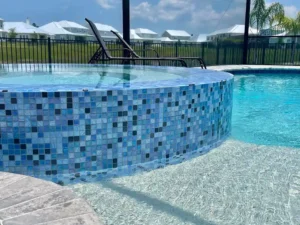
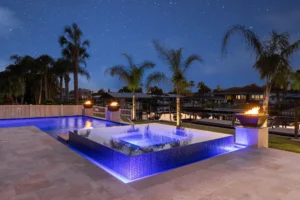
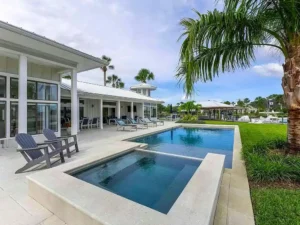
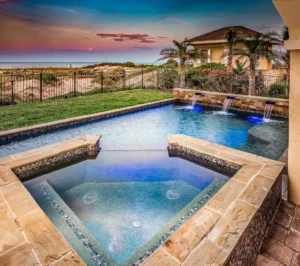
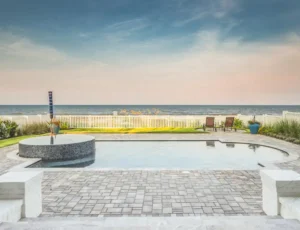
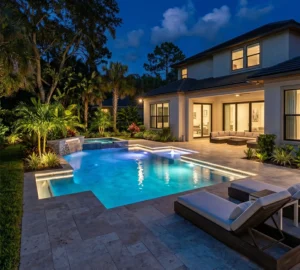
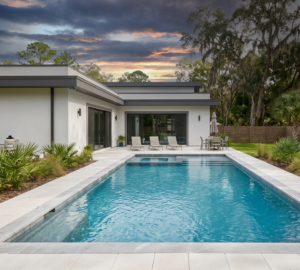
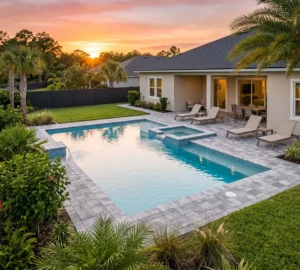
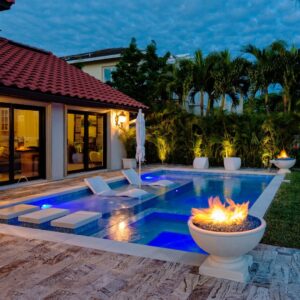
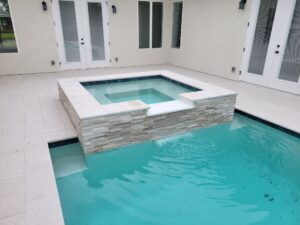
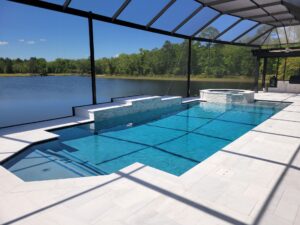
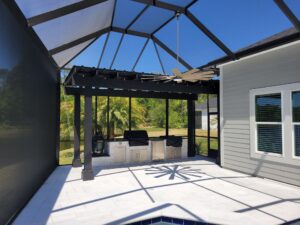
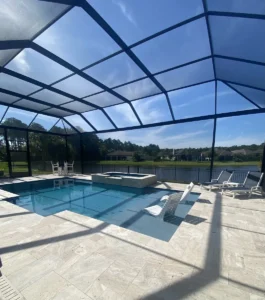
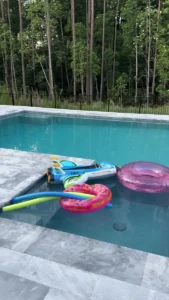
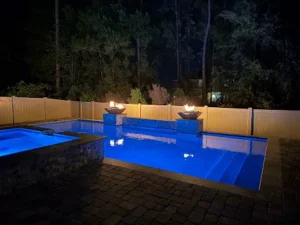
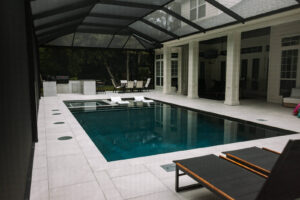
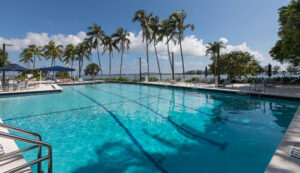
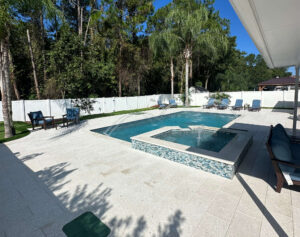
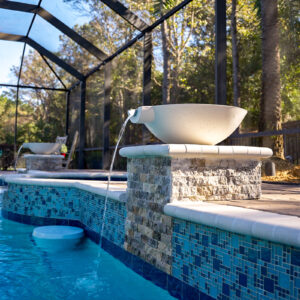
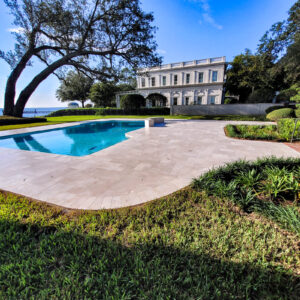
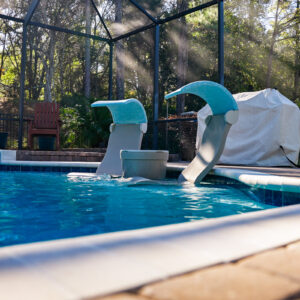
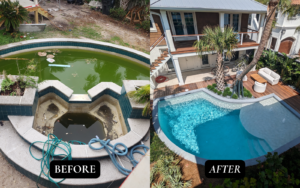
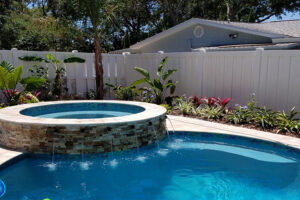
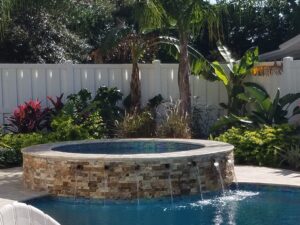
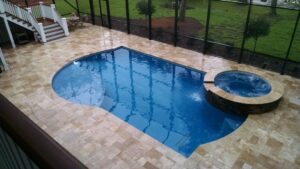
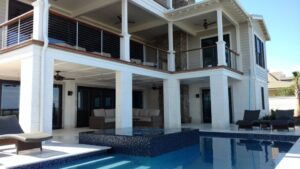
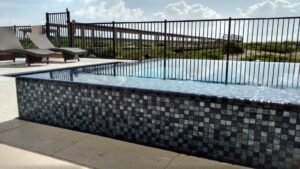


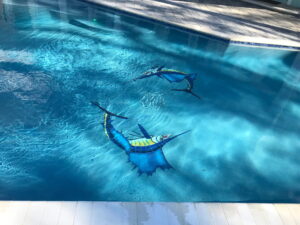
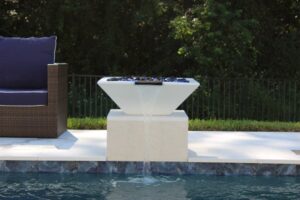
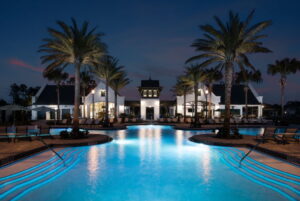





These pool builders are not based in Duval County and don't emphasize their services here, but they've shown they work here, too — so check them out, too!
Tell us what your dream pool is all about, and where do you want it. We'll do our best to find a professional pool builder for your project.
Duval is the simplest permitting picture in Florida and the one homeowners most often overthink. Jacksonville and the county merged into a single government in 1968, so for nearly every address there is one building department rather than the usual city-or-county question. Four places kept their own.
| Where the lot sits | Who reviews the pool plans |
|---|---|
| Almost all of Duval | The City of Jacksonville's Building Inspection Division |
| Atlantic Beach, Neptune Beach, Jacksonville Beach, Baldwin | Each keeps its own building department |
Jacksonville and Duval County merged into a single consolidated government on October 1, 1968, after county voters approved the change the year before. The practical effect for pool permitting is that there’s no separate “county building department” standing apart from “the city” the way there is almost everywhere else in Florida.
The City of Jacksonville’s Building Inspection Division reviews and issues permits — pool permits included — for nearly the entire county, whether the address sits in a dense urban neighborhood, a suburban subdivision, or a rural pocket near the county line, because the old city-versus-unincorporated-county distinction was largely erased by the merger. Applications go through the same JaxEPICS online portal no matter which part of that footprint the property is in.
Consolidation didn’t fold in every municipality inside Duval’s borders.
Baldwin, Atlantic Beach, Neptune Beach, and Jacksonville Beach kept their own independent city governments, and each still runs a building department separate from the consolidated city’s Building Inspection Division. A pool permit for a Jacksonville Beach or Atlantic Beach address goes to that city’s own office, not through JaxEPICS — worth confirming directly if a property sits anywhere near one of those four boundaries, since the surrounding area gets called “Jacksonville” in everyday conversation even in spots where the consolidated city’s building division has no authority at all.
Regardless of which of those offices reviews the permit, the pool itself answers to the same state law everywhere in Florida:
That can be a compliant barrier at least 4 feet high with no gaps or footholds a small child could use to get over or through, an approved pool cover, exit alarms rated at 85 decibels or louder at doors and windows with direct pool access, self-closing and self-latching door hardware mounted at least 54 inches above the floor, or a submersion alarm in the pool itself. Building a pool without one is a second-degree misdemeanor, though the law lets a homeowner who’s cited avoid that outcome by adding the missing feature and completing a drowning-prevention course within 45 days.
Pool construction is licensed at the state level under Chapter 489 of the Florida Statutes, regardless of which building department in Duval County reviews the paperwork.
The relevant credential is a Certified Pool/Spa Contractor (CPC) license, or in some cases a Certified Building Contractor (CBC) license covering a wider scope of construction that also includes pools. Both are verified through DBPR’s public license lookup, and either one is enough to build legally anywhere in the state — a contractor licensed out of Orlando or Tampa can build a pool in Jacksonville, or in Atlantic Beach, without picking up a separate local credential.
For most of the county, plans and applications go in through JaxEPICS, the Building Inspection Division’s online permitting system, followed by a review cycle and then a series of staged inspections — steel, electrical bonding and grounding, and a pressure test on the pool piping among the usual checkpoints — before a final inspection closes the permit out. One side effect of Jacksonville’s size is worth knowing about going in: consolidation made it the largest city by land area in the contiguous United States, and that footprint means inspection scheduling and travel time between job sites can vary noticeably depending on where in the county a project sits, even though it’s the same office handling all of it.
Duval County covers an unusual amount of ground for a single jurisdiction, and that shows up in how differently “pool cost in Jacksonville” can be answered depending on which part of the county someone means. A lot in a dense urban neighborhood, a standard suburban subdivision lot, and a larger rural or exurban parcel near the county line can all carry a Jacksonville address, and site conditions on those three lots — access for equipment, existing landscaping, drainage — often drive price as much as the choice between a gunite, fiberglass, or vinyl shell does.
That range shows up in what actually gets built, too: above-ground pools hold a bigger share of the market here than in a more uniformly built-out city, since they fit a far wider variety of lot types and budgets than a single custom inground design. None of that replaces getting an actual quote, but it explains why a single number rarely satisfies anyone pricing out a pool for a Jacksonville address.
The consolidated-government structure creates its own specific point of confusion, separate from cost. “Duval County pool permit” and “Jacksonville pool permit” sound like they ought to mean two different processes, and in a narrow but real sense they can — not because the main system is split, but because Jacksonville Beach, Atlantic Beach, Neptune Beach, and Baldwin sit inside Duval’s borders while keeping their own independent building departments outside the consolidated city’s Building Inspection Division.
That leaves a specific, recurring question for anyone near those four cities: whether a beach-area property runs through JaxEPICS or through that city’s own separate portal. It’s a fair thing to be unsure about, since most of the county consolidated into one system decades ago and the four exceptions are easy to miss unless someone happens to live near one of those boundaries.
Trust and vetting concerns look familiar here, but the scale of the market shapes them a little differently than in a smaller city.
With a large, spread-out contractor base serving a county this size, homeowners have more options to compare, but also a wider range of quality and permit track records to sort through before picking one. The instincts that matter are the standard ones — confirming an active CPC or CBC license on DBPR’s lookup, checking a contractor’s actual permit history with the Building Inspection Division rather than taking a sales pitch at face value, and reading a spread of reviews rather than just the newest or most glowing ones.
Because Jacksonville spans so much physical territory, homeowners also ask more often than in a compact city whether their specific neighborhood or subdivision carries any additional review requirements beyond the standard citywide process — deed restrictions and HOA architectural review being the most common source of extra steps, layered on top of, not instead of, the building permit itself. Sorting out both pieces before signing a contract tends to save more time than focusing on the permit alone.
Yes. Swimming pools require a separate building permit for nearly every address in Duval County, reviewed through the City of Jacksonville's Building Inspection Division and its JaxEPICS online system — the same office that handles both former city and former unincorporated-county addresses following the 1968 consolidation.
No, not for most addresses. Jacksonville and Duval County merged into one consolidated government in 1968, so the City of Jacksonville's Building Inspection Division is effectively the county's building department too. The exceptions are Baldwin, Atlantic Beach, Neptune Beach, and Jacksonville Beach, which kept independent governments and still run separate building departments of their own.
No. Both cities, along with Neptune Beach and Baldwin, kept independent governments when Jacksonville and Duval County consolidated in 1968, and each still runs its own building department and permit process separate from the consolidated city's JaxEPICS system. A pool permit for one of those addresses goes to that city's own office directly.
No single number holds across the Jacksonville area. Shell type is the biggest lever — fiberglass, gunite and vinyl are not close on price or on lifespan — then size, access to the back of the lot, screening and the extras added before signing. The reliable answer for your own property is itemised quotes from a few licensed contractors, compared line by line.
Both are valid statewide licenses issued by DBPR. A Certified Pool/Spa Contractor (CPC) license covers pool and spa construction specifically, while a Certified Building Contractor (CBC) license covers a broader range of construction that also includes pools. Either one, confirmed active through DBPR's public lookup, is enough to legally build a pool anywhere in Duval County.
The City of Jacksonville's Building Inspection Division generally treats above-ground pools the same as inground ones for permitting purposes, requiring a separate swimming pool/spa permit, though very shallow or temporary units are typically exempt as they are elsewhere in Florida. Confirming the exact threshold with the Building Inspection Division before buying or installing one is the safest approach.
If you didn't find a pool builder for your Duval County passion project here, check out the neighbours: professional pool builders usually don't mind travelling a few miles to help new customers with the most exciting projects.