
Pool builders by service
Pool cage installation is the most engineered thing in the average Florida backyard, and for one reason: a screen enclosure is a very large sail that has to survive a hurricane. That is why it needs sealed drawings and a wind-load calculation before anybody digs. Below, what the code demands, which mesh to choose, and the contractors across the state who build them.
157 listings here
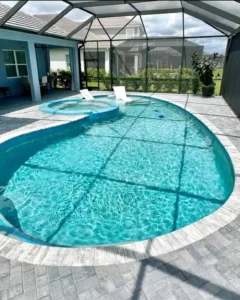
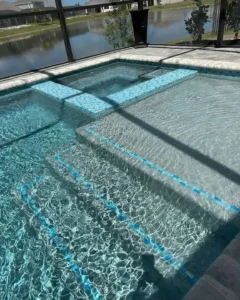
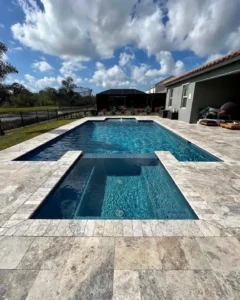
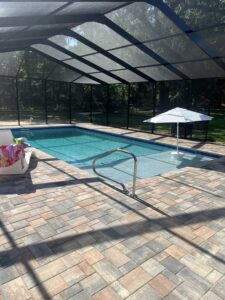
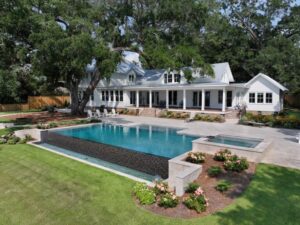
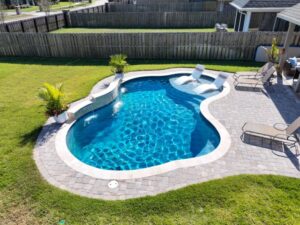
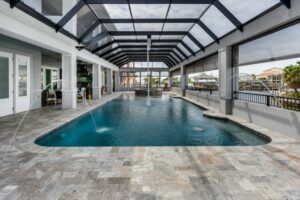
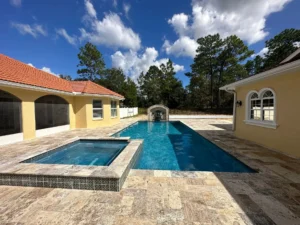
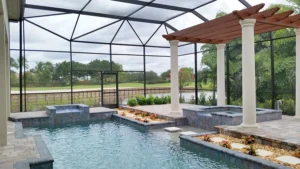
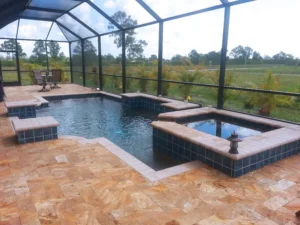
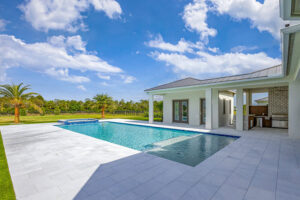
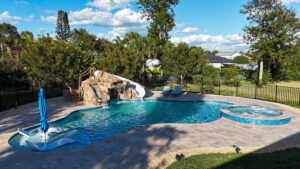
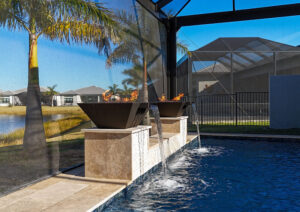
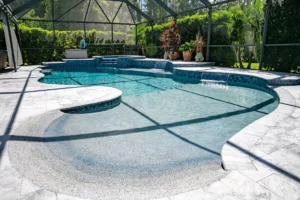
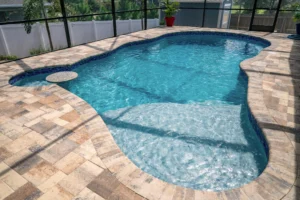
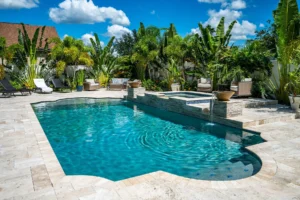
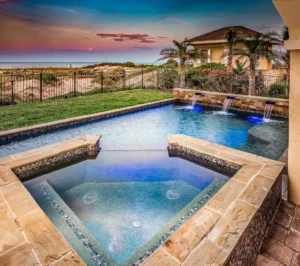
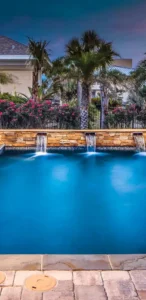
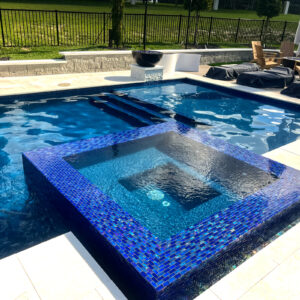
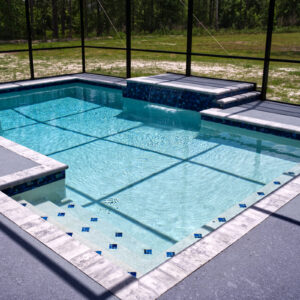
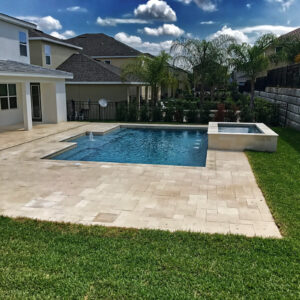
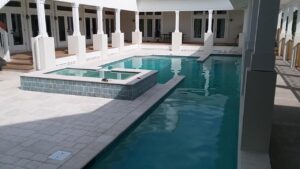
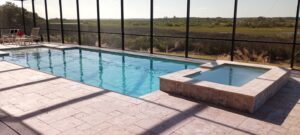
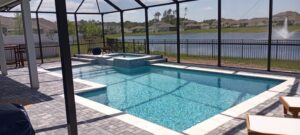
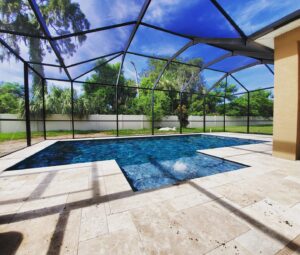
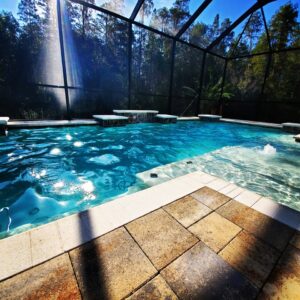
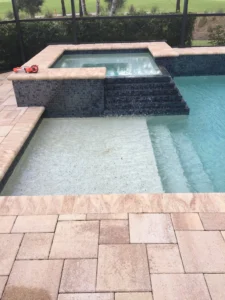
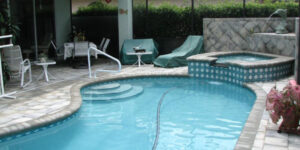
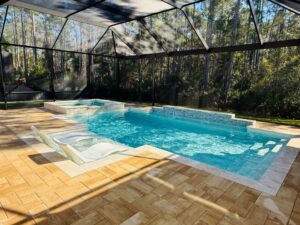
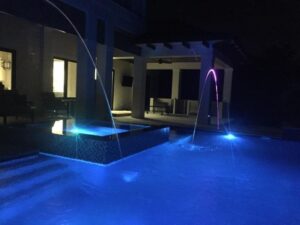
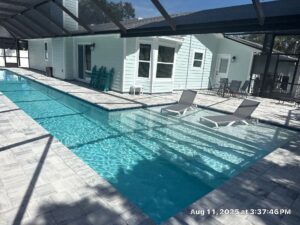
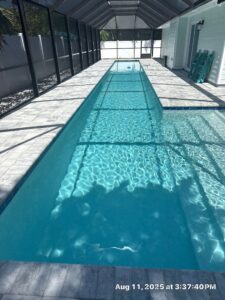
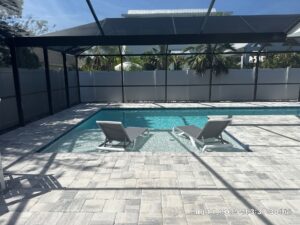
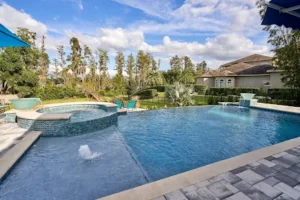
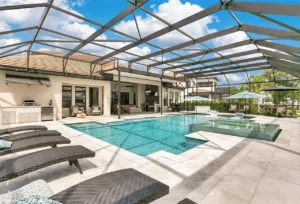
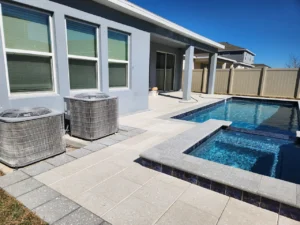
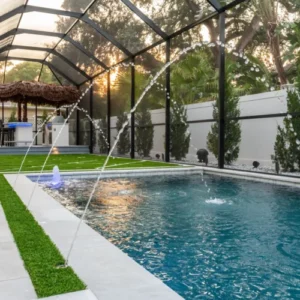
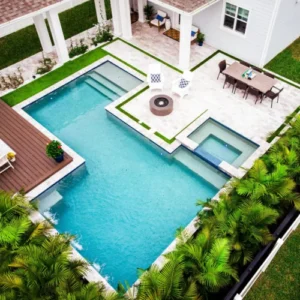
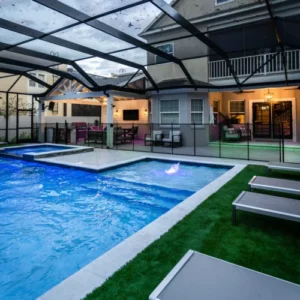
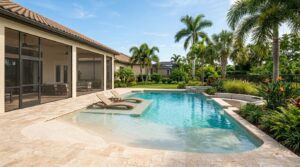
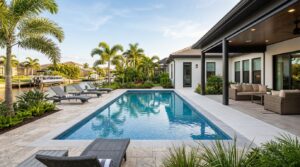
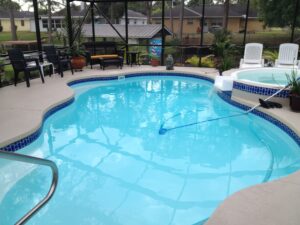
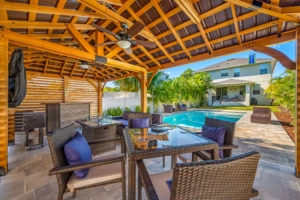
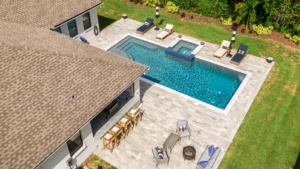
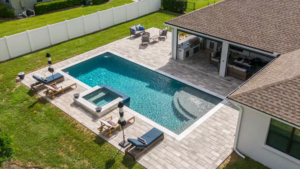
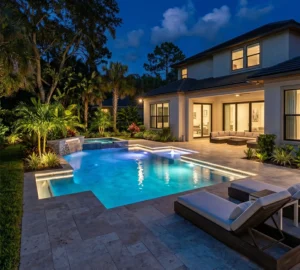
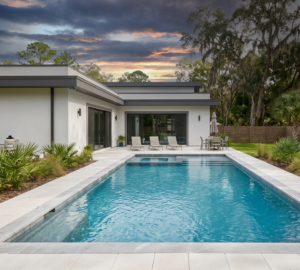
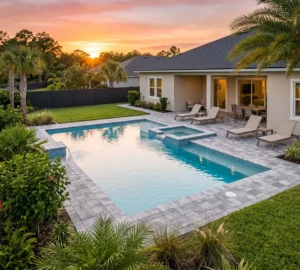
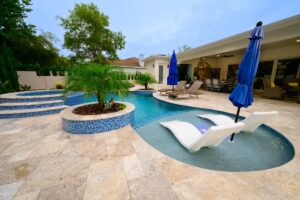
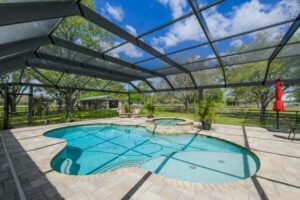
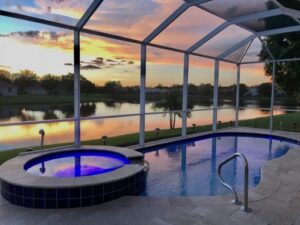
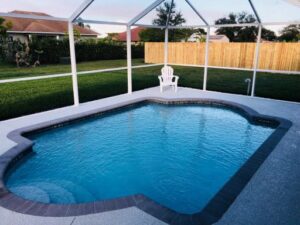
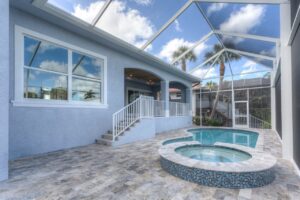
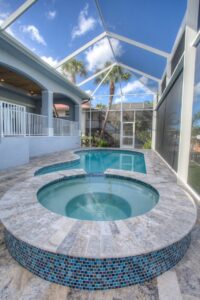
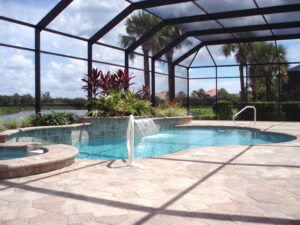
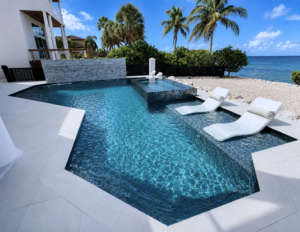
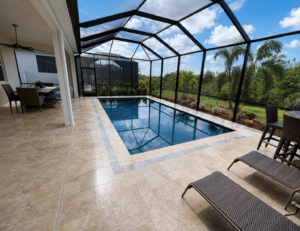
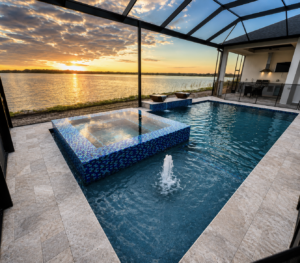
A pool cage is the difference between skimming a pool every day and skimming it on a Saturday. Oak litter, lovebugs, pine needles and the sand that arrives with every storm all stop at the mesh, and the filter stops working through them. That is the boring reason people build them and it is the correct one.
The rest of the case is the evening. A screened lanai is usable at dusk in a way an open deck in Florida simply is not, which turns a pool from a daytime object into an outdoor room. What people give up in exchange is real: the mesh takes some sunlight out of the water, so the pool runs a shade cooler, and the frame is a permanent structure sitting in the view.
Two things make this the most engineered thing in the average Florida backyard. The thing is a very large sail with very little weight, and the law requires it to survive a hurricane. Everything expensive about it follows from those two sentences.
The mesh spec is written as two numbers, and Phifer, the largest maker of it, explains them plainly: the count is how many yarns run vertically by how many run horizontally within a square inch. Higher numbers mean a tighter weave, which means fewer insects, less light and less breeze.
| Mesh | What it stops | What you lose | Typical use |
|---|---|---|---|
| 18 x 14 fiberglass | Most insects and blown debris | Little. The reference point | The most specified pool and patio mesh |
| 20 x 20 no-see-um | Tiny biting insects | Airflow and some visibility | Coastal and near still water |
| High-visibility weaves | Similar to 18 x 14 | Nothing much, but it costs more | Where the view is the point |
| Privacy and solar meshes | Sightlines and heat | Light, and a lot of it | One or two panels, rarely all |
Phifer's own note on its higher-clarity pool screen is the useful one for this state: it passes about ten percent more sunlight than the standard weave, which means a warmer pool and a brighter one. In Florida that is a feature for most of the year.
The frame is aluminium extrusion, and the code sets a floor on it. Section 2002.3.1 of the Florida Building Code requires a minimum thickness of 0.040 inch for extruded aluminium in a screen enclosure. Beyond that minimum, section size is an engineering output rather than a shopping choice: the beams get bigger as the span and the wind speed go up, and a cage with visibly slimmer members than its neighbour is either a smaller span or a different calculation.
Cages are priced by the engineering as much as by the square footage, which is how two apparently similar quotes end up far apart.
The one that surprises people is the deck. A cage is anchored into concrete, and an existing deck is not automatically thick enough or sound enough to take the footers. Cutting and pouring new footings through a finished deck is normal work and it is not free, and a quote that has not established which case applies is a quote that will move.
The other is the mansard. A gabled or mansard roof costs more than a flat span, and in return it sheds rain and debris rather than holding them, so the cheaper shape has a maintenance bill attached to it.
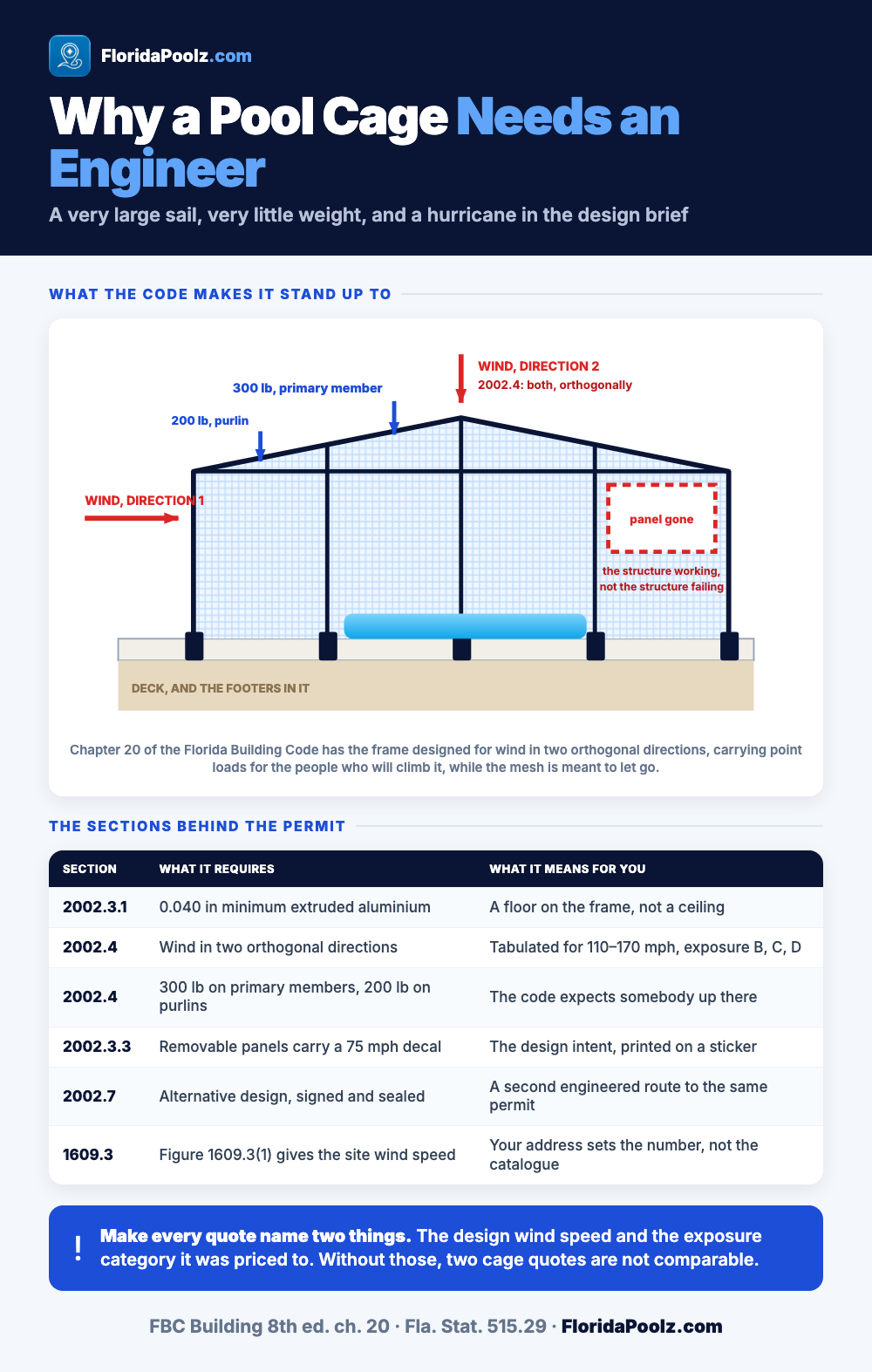
The build itself is fast. Almost all of the elapsed time is paperwork and the wait for the engineering.
Screen enclosures are frequently a specialty contractor rather than the pool builder, and on a new build the two schedules have to be sequenced: the cage cannot go up before the deck it bolts to, and the deck is easier to pour once the footer positions are known. Anything that will be mounted on the frame later, cage lighting in particular, is cheaper to plan now than to drill in afterwards.
This is the part no national pool page can write, and it is the reason a cage costs what it does.
Chapter 20 of the Florida Building Code governs aluminium structures, and section 2002.4 requires the members supporting a screen enclosure to be designed for wind in two orthogonal directions, against design pressures tabulated for ultimate design wind speeds from 110 to 170 mph across exposure categories B, C and D. Your site's number comes off Figure 1609.3(1) of the code, and the exposure category is a function of what surrounds the lot, which is why the same cage costs more on open water than three streets inland.
Two further requirements are worth knowing as an owner, and both read like the code talking to a homeowner rather than an engineer.
The first two are the code assuming somebody will climb on it. The third, in section 2002.3.3, is the design intent of the whole structure printed on a sticker.
A cage is designed to shed screen rather than hold a hurricane out, so a panel blowing out in a storm is the structure working. The frame is what is supposed to survive. Section 2002.4.1 points designers at the Aluminum Association's guide to construction in high wind areas, section 2002.7 permits an alternative signed and sealed engineering route, and section 2003.9 carries a parallel set of provisions for the high-velocity hurricane zone.
Sometimes, and the doors decide it. Under section 515.29 of the Florida Statutes a residential pool barrier has to be at least four feet high on the outside, free of anything a young child could crawl under, squeeze through or climb over, and placed around the pool's perimeter. Gates have to open outward, be self-closing, and carry a self-latching device whose release sits on the pool side, out of a child's reach. Section 515.29(5) adds that nothing may sit where it could be used to climb the barrier.
A cage whose doors meet all of that can serve as the barrier. A cage with an ordinary sliding screen door on a spring cannot, and the fix is hardware rather than a rebuild.
Standing under a finished enclosure, several things are visible to anybody.
The fastener question is the one worth pressing. Stainless costs more and does not bleed rust down a white frame two summers later, and on a coastal lot or over a salt pool the difference shows up quickly. Ask what is going into the frame and what is going into the concrete, and get the answer in the quote rather than in conversation.
Gutter fall is the other. A cage roof drains to a gutter built into the beam, and a gutter that ponds breeds mosquitoes inside the thing you built to keep insects out.
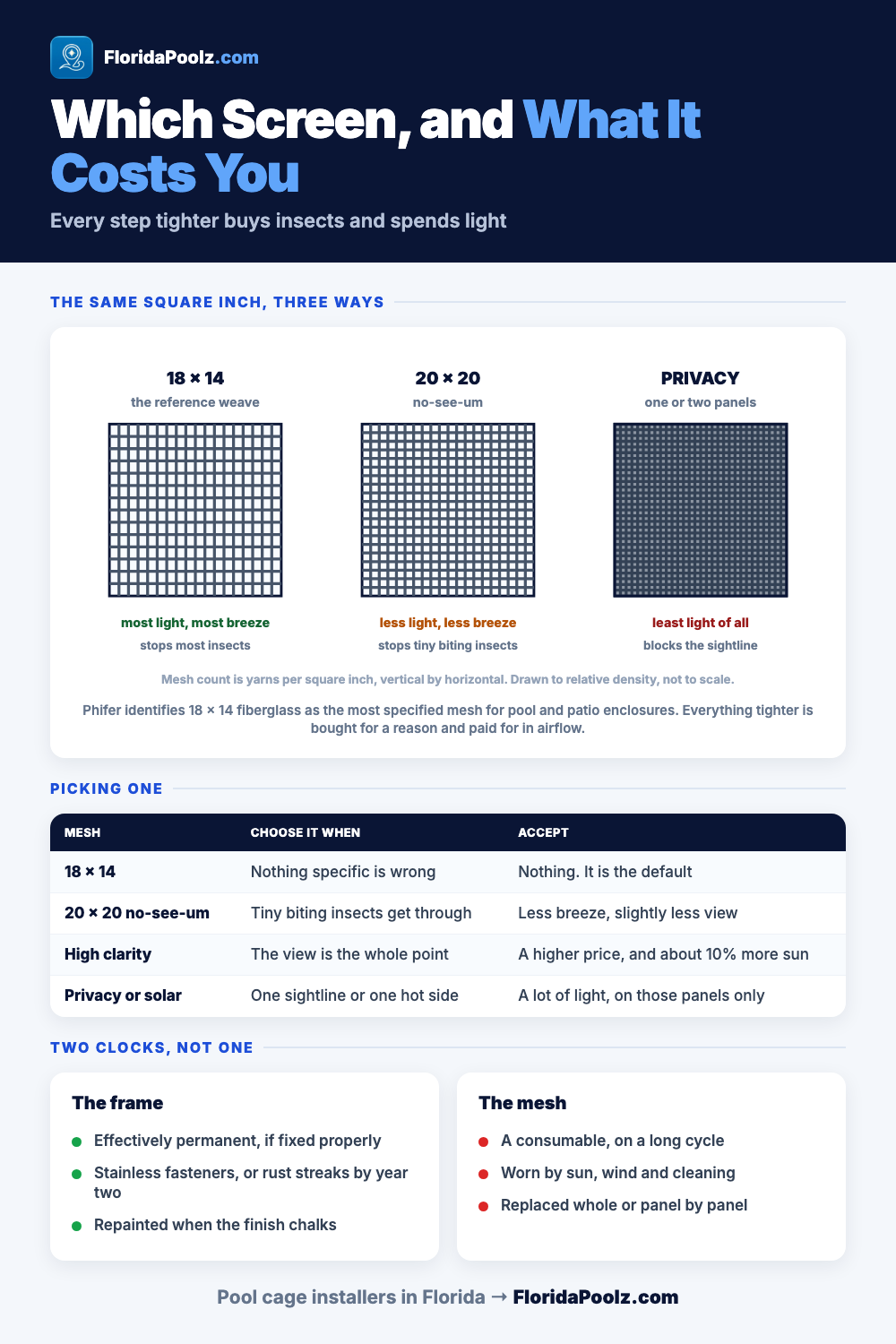
The frame and the mesh age on completely different clocks, and that is the single most useful thing to understand before signing.
The aluminium is effectively permanent if the fasteners are right and the finish is maintained. The mesh is a consumable. Sunlight, wind and cleaning wear it, and every cage in Florida gets rescreened eventually, whole or panel by panel. Budgeting for that as a scheduled event rather than an unwelcome surprise is the difference between a cage that looks cared for at fifteen years and one that does not.
The routine work is unglamorous and unavoidable. Pollen and algae film the mesh and reduce both the light and the view. Spiders colonise the frame corners, which is a genuine, heavily searched Florida annoyance rather than a joke. The frame's paint chalks under eleven months of sun and gets repainted rather than replaced.
The roster above is every builder profile tracked here that names screen enclosure work among its services, counted live. A hundred and fifty have a cage visible in the photographs reviewed for this directory, across several hundred images, which is unusually close agreement between the two and reflects how normal a cage is on a Florida pool.
The trade split is the thing to establish early. Plenty of pool builders subcontract the cage to an aluminium specialist, which is a completely standard arrangement, and the question is not whether they do it but who holds the engineering and who returns for a warranty call. Ask who seals the drawings, who pulls the permit, and who comes back if a panel fails in year two.
An enclosure is bolted to a pool deck, so the two decisions are really one, and a re-deck under an existing cage is a harder job than a re-deck without one. If the lanai is really the point, pool patio contractors covers the wider outdoor space the cage encloses.
Pool lighting is the upgrade most often bolted on afterwards and most cheaply designed in now, since cage fixtures mount to the frame. On the water side, the shell underneath is a gunite, concrete or fiberglass decision, and a cage over a saltwater pool stands one more aluminium structure in salted air, which is where the fastener question stops being pedantic.
Demand and supply for this work are heaviest on the Gulf coast. Cape Coral, Naples and Sarasota carry the deepest rosters, with Lee and Collier counties densest of all.
There is no honest single figure, and the reason is that a cage is priced off its engineering rather than its square footage. The variables that actually move a quote are the span between posts, the height and roof shape, the site's design wind speed from Figure 1609.3(1) of the Florida Building Code, the exposure category, whether the existing deck can carry the footers, and the number of doors. Two quotes far apart on a similar-looking cage usually differ on the last one of those. Ask each contractor to state the design wind speed and exposure category they priced to, and the comparison becomes possible.
Yes to both, and that is where most of the elapsed time goes. A screen enclosure is an engineered structure under Chapter 20 of the Florida Building Code. Section 2002.4 requires its members to be designed for wind in two orthogonal directions against tabulated pressures for ultimate design wind speeds of 110 to 170 mph across exposure categories B, C and D, and the drawings are signed and sealed before the building department will issue a permit. Section 2002.7 allows an alternative design route, signed and sealed the same way.
The frame is meant to; the screen is not. That is the design intent, stated in the code itself: section 2002.3.3 requires removable vinyl, tempered glass and acrylic panels to carry a decal telling the owner to remove them at 75 mph. A cage sheds mesh so the wind has nothing to push against, which is why a blown-out panel after a storm is the structure doing its job rather than failing. The code assumes people climb on these things, requiring primary members to carry a 300 lb vertical point load and purlins 200 lb.
Start at 18 x 14 fiberglass, which Phifer identifies as the most specified mesh for pool and patio enclosures, and move off it only for a reason. Go tighter to 20 x 20 no-see-um where tiny biting insects are the problem, accepting less airflow and slightly less visibility. Go to a higher-clarity weave where the view is the point; Phifer notes its clearer pool screen passes about ten percent more sunlight, which means a slightly warmer pool too. Privacy and solar meshes are usually one or two panels rather than the whole cage.
It can, and the doors decide it. Section 515.29 of the Florida Statutes requires a residential pool barrier to be at least four feet high on the outside, with no gap, indentation or component a young child could crawl under, squeeze through or climb over, placed around the pool's perimeter. Gates must open outward, be self-closing, and have a self-latching device with the release on the pool side and out of a child's reach. A cage with that hardware can serve as the barrier. A cage with a plain sliding screen door on a spring cannot, and the fix is hardware.
The mesh is a consumable and the frame is not, and every cage in Florida is rescreened at some point, either whole or panel by panel. Sun, wind and cleaning are what wear it. The aluminium frame lasts effectively indefinitely if the fasteners were specified properly and the finish is maintained, which is why the fastener question matters more than it sounds: stainless costs more and does not bleed rust down a white frame after two summers. Repainting a chalked frame is normal maintenance rather than a repair.
Work from the roster on this page and narrow by city; supply is heaviest on the Gulf coast around Lee and Collier counties. Then establish the trade split, since plenty of pool builders subcontract cages to an aluminium specialist and that is a normal arrangement. Three questions settle it: who seals the engineering drawings, who pulls the permit, and who returns for a warranty call in year two. Ask each quote to state the design wind speed and exposure category it was priced to.
Still weighing it up? These are the choices most people compare with Pool Screen Enclosures in Florida.