
Pool builders by city
Pool builders serving Jacksonville. Before you shortlist: Jacksonville and Duval merged in 1968, so one Building Inspection Division covers nearly the whole county. Start with the shortlist below.
18 listings here 14 based here
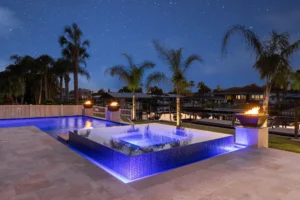
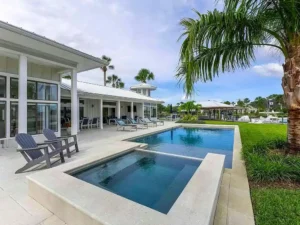
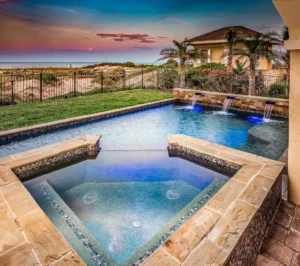
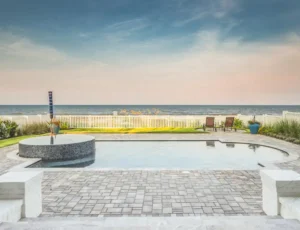
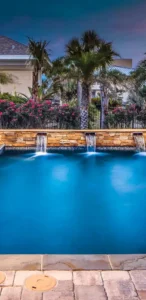
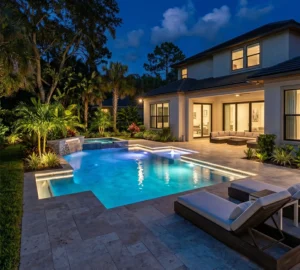
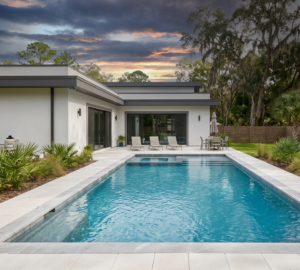
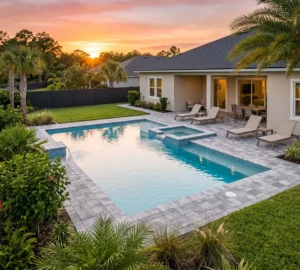
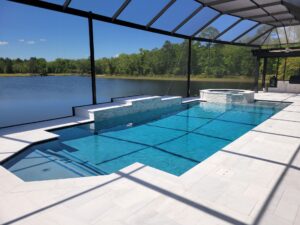
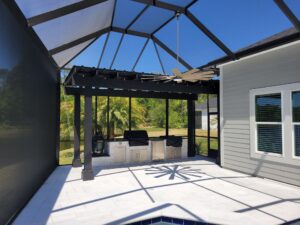
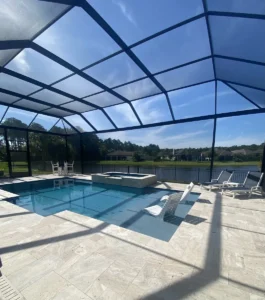
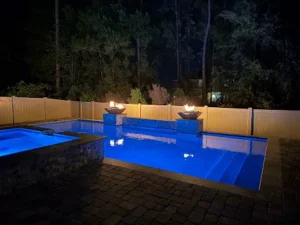
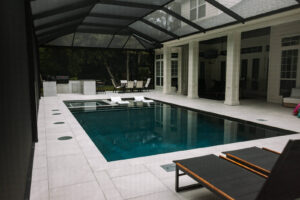
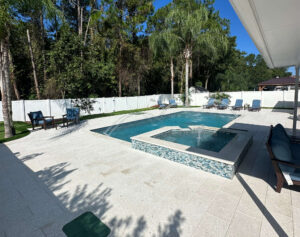








These pool builders are not based in Jacksonville and don't emphasize their services here, but they've shown they work here, too — so check them out, too!
Tell us what your dream pool is all about, and where do you want it. We'll do our best to find a professional pool builder for your project.
Jacksonville and Duval County share one consolidated government, so a single city covers ground that would be a dozen towns anywhere else — riverfront estates in Ortega, historic bungalows in Riverside and Avondale, tract homes across the Southside, and marsh-front lots near the Intracoastal. A builder who does sharp work on a dry Mandarin lot may never have handled a flood-zone parcel on the river or a historic-district review, so match the contractor to the kind of property you own.
Start with the license. Florida requires a state-certified or state-registered pool and spa contractor for any in-ground build, and you can confirm a company's standing through the Florida Department of Business and Professional Regulation. DBPR's license lookup shows the license number, its status, and any discipline on file. A residential pool contractor carries a CPC- or RP-prefixed license; a general contractor's license alone does not cover in-ground pool work in Florida.
Collect at least three written proposals and read the scope line by line, not the total at the bottom. In Jacksonville the gap between two quotes usually traces to the screen enclosure, the safety barrier, and flood-zone site work rather than the pool shell itself. On a riverfront or Intracoastal lot, expect the survey, elevation paperwork, and raised equipment to add real weight to the number. A thin quote hides those items; a complete one names them.
Confirm the builder pulls the permit under their own license and books every inspection. A contractor who pushes an owner-builder permit onto the homeowner is shifting liability your way. Check that general liability and workers' compensation coverage are current, and ask for recent references in your part of the county — a job in a Baymeadows subdivision tells you little about how a builder handles a San Marco lot near the river.
Which office issues your pool permit depends on where in Duval County you live. Most of the county falls under the consolidated City of Jacksonville Building Inspection Division, part of the Planning and Development Department, which reviews and issues residential pool permits through the online JaxEPICS portal at jaxepics.coj.net. Beyond the city core, four communities opted out of the 1968 consolidation and run their own building departments — Jacksonville Beach, Atlantic Beach, Neptune Beach, and Baldwin — so a pool at the Beaches is permitted by that municipality, not the city.
An in-ground pool or spa needs a building permit before excavation, and each pool or spa is a separate permit. The application follows the Florida Building Code and includes a site plan showing the pool against property lines, easements, and structures, plans signed and sealed by a Florida-licensed design professional, the plumbing layout, and the electrical bonding plan. The city requires a Residential Swimming Pool Safety Affirmation with the package. Inspections come at set stages — steel and bonding before the shell pour, plumbing pressure tests, the safety barrier, and a final once the deck and any enclosure are complete.
The St. Johns River and its creeks put much of Jacksonville inside a FEMA Special Flood Hazard Area, and coastal neighborhoods near the Atlantic and the Intracoastal add high-hazard VE zones on top of the more common AE zones. Building a pool in one triggers extra floodplain review: a surveyor's elevation certificate, the pump and heater raised above the base flood elevation, and, on wetland-adjacent lots, a St. Johns River Water Management District permit. Pools and enclosures in the designated historic districts of Riverside, Avondale, and Springfield can require a certificate of appropriateness from the city's historic preservation review before work starts.
Homeowners across Jacksonville tend to open with the same two questions, and both come from the shape of the place. The first is which office handles the permit, since a Beaches address means a different building department than a home on the Southside or in Arlington. The second is what the flood zone does to the project, a live worry for anyone near the river, a creek, or the Intracoastal.
Cost creep is the other steady theme. Owners have heard the sticker price on a pool rarely matches the final invoice, and they want to know what pushes it up in this market. Here the usual drivers are the screen enclosure, the barrier, and flood-zone site work, plus historic-district review for the older neighborhoods around Riverside and Avondale. The questions below are the ones that come up most on Jacksonville projects.
Timing is the third thread, and it tracks the property as much as the paperwork. A clean submittal on a dry inland lot clears faster than one on a riverfront parcel that needs floodplain review, a water-management sign-off, or a nod from historic preservation. Owners who ask about the schedule up front tend to be the ones whose builds stay on it.
For most of Duval County, the consolidated City of Jacksonville Building Inspection Division issues residential pool permits through the JaxEPICS portal at jaxepics.coj.net. The application runs under the Florida Building Code and covers a site plan, sealed pool plans, the plumbing layout, and the electrical bonding plan. Your licensed contractor normally files it under their own license.
Yes. Jacksonville Beach, Atlantic Beach, Neptune Beach, and Baldwin kept their own governments after the 1968 consolidation, and each runs its own building department. A pool at one of the Beaches is permitted by that city, not by Jacksonville. Check which jurisdiction your parcel sits in before you file, since the submittal and inspection steps differ by office.
Quite possibly. The St. Johns River, its creeks, and the Atlantic coast put large parts of Jacksonville inside a FEMA flood zone, from common AE areas to high-hazard VE zones near the water. A flood designation adds floodplain review to the pool permit, calls for a surveyor's elevation certificate, and usually means raising the pump and heater. Your builder can pull the flood map for your address.
Sometimes. Riverside, Avondale, and Springfield hold designated historic districts, and work visible in those districts can require a certificate of appropriateness from the city's historic preservation review before a permit is issued. A backyard pool screened from the street may clear easily, but a builder who works these neighborhoods will check the district rules early rather than mid-project.
Look the company up on the Florida DBPR license lookup. A qualified residential pool contractor holds a state license, usually with a CPC or RP prefix, and the record shows whether it is active and clear of discipline. A general contractor's license alone does not cover in-ground pool construction in Florida. Confirm the insurance is current at the same time.
Yes. Screen enclosures are common on Jacksonville pools for shade and keeping out debris and insects, and each one takes its own building permit and inspection apart from the pool shell. The enclosure has to meet the code for self-closing, self-latching screen doors. Fold it into the original contract so it is priced with the pool, not billed later as an add-on.
If you didn't find a pool builder for your Jacksonville passion project here, check out the neighbours: professional pool builders usually don't mind travelling a few miles to help new customers with the most exciting projects.