
Pool builders by county
Pool builders serving Indian River County. Start here: the Indian River county division serves both the unincorporated county and the City of Vero Beach, while Sebastian runs a separate system. Start below, and confirm the office before design.
9 listings here 9 based here
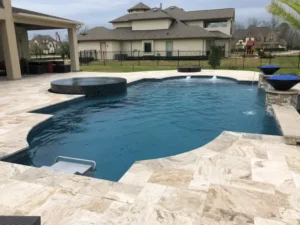
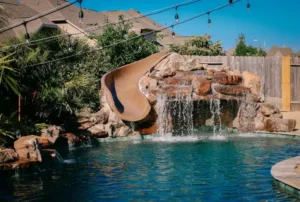
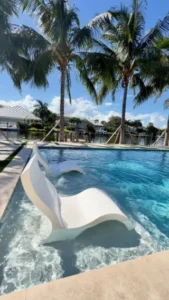
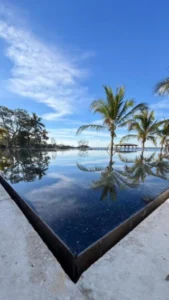
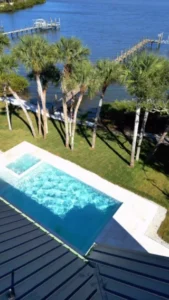
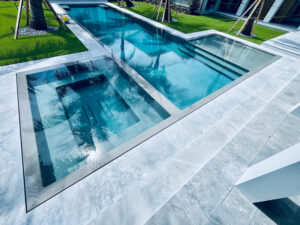
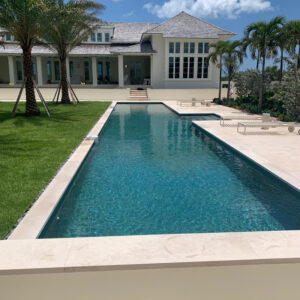
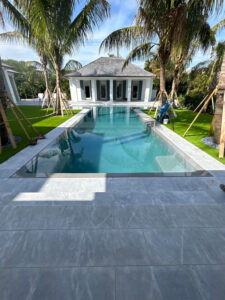
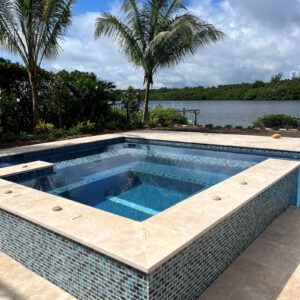
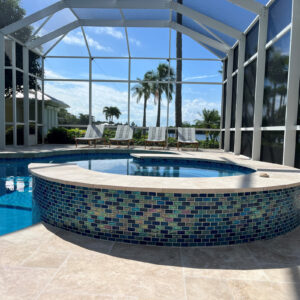
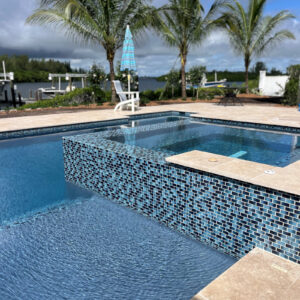


These pool builders are not based in Indian River County and don't emphasize their services here, but they've shown they work here, too — so check them out, too!
Tell us what your dream pool is all about, and where do you want it. We'll do our best to find a professional pool builder for your project.
Every pool builder working in Indian River County must carry an active Florida state license before any work begins. The Department of Business and Professional Regulation issues residential and commercial pool/spa contractor licenses, and its public lookup shows a builder's status, expiration date, and any disciplinary history. Run that check first, and match the name on the license to the company signing your contract. Confirm the license at the Florida DBPR license search.
Past the state credential, contractors register with Indian River County contractor licensing and pull permits under their own license number. A builder who asks you to file as an owner-builder so they can skip that step is a warning sign. Get general liability and workers' compensation coverage in writing, straight from the insurer rather than a forwarded copy.
Pools east of the Indian River Lagoon and out on the barrier island sit in FEMA flood zones and, in spots, seaward of the state coastal construction control line. A builder who works these lots regularly already understands how equipment elevation, sandy soil, and dune setbacks reshape a design. Ask plainly how many oceanfront or lagoon-front jobs the company has finished in the past few years, and how they handled the extra state review.
Ask for three recent local addresses and drive past them. A builder rooted in Vero Beach, Sebastian, or Fellsmere can name the inspectors, the plan-review quirks, and the wait times you should plan for. Put the full payment schedule on paper, tied to inspection milestones rather than calendar dates, so your money follows completed, inspected work.
A residential in-ground pool in Indian River County needs a building permit before construction starts. Applications run through the joint Indian River County / City of Vero Beach Building Division, which reviews plans and issues permits for the unincorporated county and much of the coastal area. If your home sits inside an incorporated town, confirm whether that municipality handles its own building administration before you apply.
The pool application asks for plans signed and sealed by a Florida-licensed design professional, a survey or plot plan showing the pool's location and its distance from the house, property lines, and any septic or well, plus documentation of job value, per the county swimming pool application. A narrow exemption applies: a prefabricated above-ground pool accessory to a home that stays under 24 inches deep and holds no more than 5,000 gallons does not need a permit.
Safety rules come from both the building code and state statute. In-ground pools must meet the barrier provisions of the Florida Building Code, Residential Section 4501.17. State law backs this up: the Residential Swimming Pool Safety Act (Chapter 515) sets a pool barrier at a minimum of four feet high with a self-closing, self-latching gate, and requires at least one additional safety feature: an approved safety cover, exit alarms on doors with direct pool access, or self-closing, self-latching devices on those doors.
Location drives the rest. Properties on the barrier island, including Vero Beach 32963, Indian River Shores, and Orchid, often fall in FEMA VE or AE flood zones under the maps that took effect in early 2023, which affects deck elevation and equipment placement. A pool built seaward of the state coastal construction control line needs a separate permit from the Florida Department of Environmental Protection on top of the local approval.
Inspections land at set stages: steel and rebar before the shell is sprayed, plumbing under pressure, electrical bonding of the shell and surrounding metal, the deck, and the safety barrier at final. The pool cannot be filled and closed out until the barrier passes.
The questions that come up most in Indian River County cluster around water and location. Homeowners on the mainland want to know how long approval takes and which safety barrier keeps their permit clean. Owners out on the barrier island ask a different set: what the flood zone means for their design, and when the coastal control line pulls the state into the review.
Salt air, high water tables near the lagoon, and screen enclosures against no-see-ums all shape what people build here. Costs tend to run higher than a comparable inland pool once elevation, enclosure, and coastal engineering enter the picture. The answers below cover the points that trip up local projects most often.
None of it is complicated once you know which office holds jurisdiction over your address and which rules attach to your lot. The specifics start there.
Yes. Any residential in-ground pool needs a building permit from the Indian River County / City of Vero Beach Building Division before work starts. Signed and sealed plans and a survey showing the pool location come with the application. Small prefabricated above-ground pools under two feet deep and under 5,000 gallons are the main exception.
They can. Homes on the barrier island near Vero Beach, Indian River Shores, and Orchid often sit in FEMA VE or AE flood zones, which shape deck and equipment elevation. A pool built seaward of the state coastal construction control line needs a separate permit from the Florida Department of Environmental Protection.
Florida lets a homeowner pull an owner-builder permit for their own residence, within limits. You take on responsibility for the work, the inspections, and any licensed trades you hire. For a pool, the electrical bonding and barrier requirements are strict, so most owners here hire a licensed pool/spa contractor rather than self-manage.
The Indian River County / City of Vero Beach Building Division handles permits for the unincorporated county and much of the coastal area. Some incorporated towns run their own building administration, so confirm which office covers your address before you apply. Your contractor pulls the permit under their state license number.
A pool moves through several inspection stages: steel and rebar before the shell is sprayed, plumbing under pressure, electrical bonding of the shell and nearby metal, the deck, and the safety barrier. The final inspection confirms the barrier is in place. The pool cannot be signed off and used until it passes.
On the barrier island and low-lying lagoon-front lots, flood-zone rules can raise required equipment elevation and affect deck design. The county maps rely on FEMA flood insurance rate maps that took effect in early 2023. Checking your zone early keeps the design and the permit review from stalling later.
If you didn't find a pool builder for your Indian River County passion project here, check out the neighbours: professional pool builders usually don't mind travelling a few miles to help new customers with the most exciting projects.