
Pool builders by city
Pool builders serving Cape Coral. One thing to settle first: Cape Coral runs its own building department, separate from Lee County. Work the shortlist first, then confirm the reviewing department.
18 listings here 16 based here
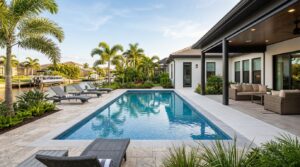
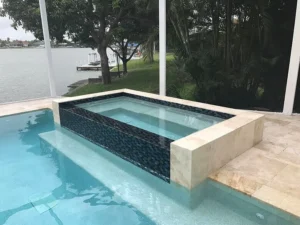
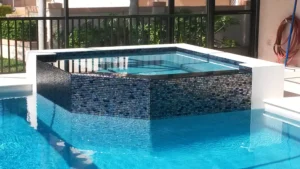
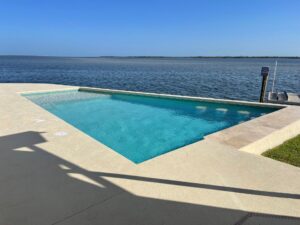
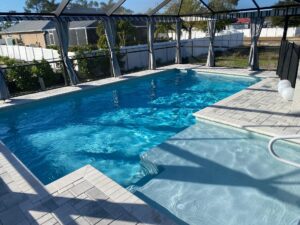
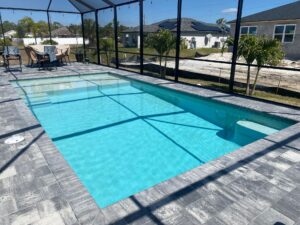
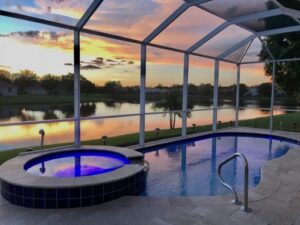
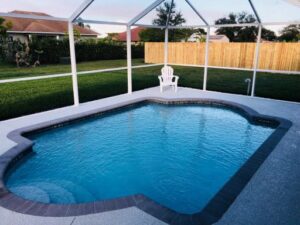
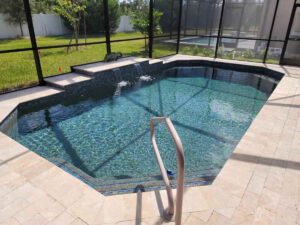
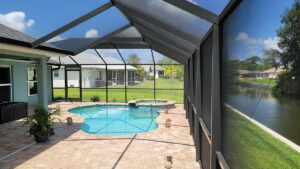
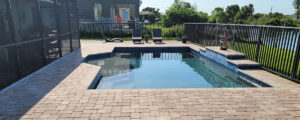
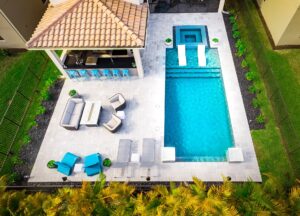
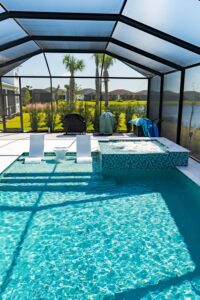
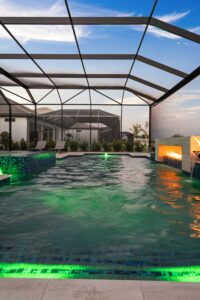
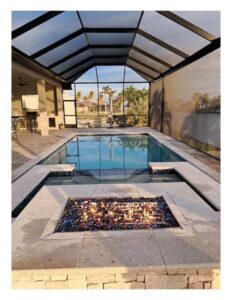
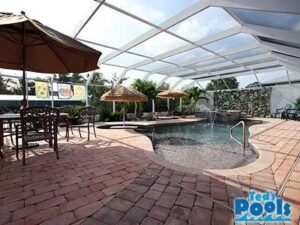
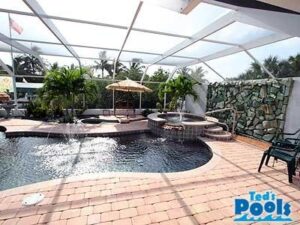
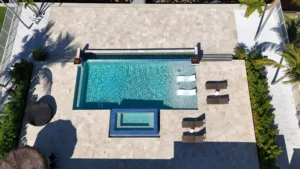
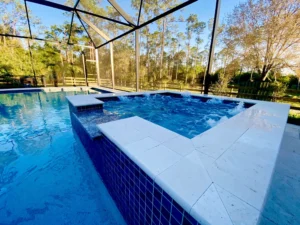
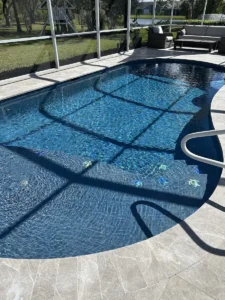
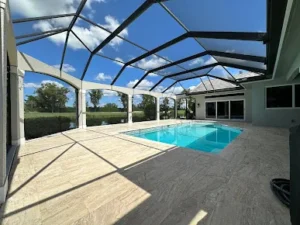
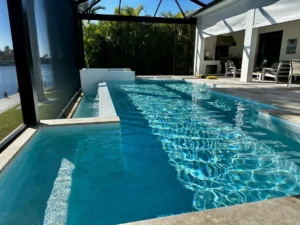







These pool builders are not based in Cape Coral and don't emphasize their services here, but they've shown they work here, too — so check them out, too!
Tell us what your dream pool is all about, and where do you want it. We'll do our best to find a professional pool builder for your project.
Cape Coral sits on a broad grid of dug canals, and a large share of homes back onto saltwater or freshwater frontage. That single feature decides which builder is right for the job. A contractor who does clean work on a dry interior lot off Del Prado may never have coordinated a pool against a seawall, a boat dock, and the tighter setbacks a canal parcel carries. Match the builder to the kind of lot you own before anything else.
Confirm the license first. Florida requires a state-certified or state-registered pool and spa contractor, and you can check any company through the Florida Department of Business and Professional Regulation. DBPR's license lookup shows the license number, its status, and any discipline on record. A residential pool contractor carries a CPC- or RP-prefixed license; a general handyman does not qualify to build an in-ground pool.
Ask how the builder handles a waterfront site. On a canal lot the pool has to respect the seawall setback, the deck load near the cap, and the flood elevation the city assigns the parcel. Much of Cape Coral falls inside a FEMA flood zone, which changes deck height, equipment placement, and the paperwork the Building Division wants before it issues a permit. A builder who works the canals will lay the shell and deck out around the seawall from the first sketch.
Read every proposal for what it leaves out, rather than the bottom line alone. Screen enclosures and full pool cages are near-standard in the Cape for keeping out bugs and debris, and each one carries its own permit and inspection. The price gap between two Cape Coral quotes usually traces to the cage, the barrier, and flood-zone site work rather than the pool shell.
Confirm the company pulls the permit in its own name and books every city inspection. A contractor who asks you to file an owner-builder permit is shifting liability onto you. Check that general liability and workers' compensation coverage are current, and ask for canal-lot references in your own part of the Cape rather than a dry-lot job across town.
A residential in-ground pool or spa in Cape Coral needs a building permit before excavation begins. Permits come from the City of Cape Coral Building Division, part of Community Development at 1015 Cultural Park Boulevard, and applications run through the city's EnerGov Citizen Self-Service portal. The city runs its own building department and does not hand pool permitting to Lee County.
The permit package includes a site plan showing the pool against property lines, the seawall where the lot is on water, the home, and any easements, plus engineered structural drawings, the plumbing layout, and the electrical bonding plan. The Building Division reviews the submittal against the Florida Building Code and sets inspections at fixed stages — steel and bonding before the shell is poured, plumbing, the safety barrier, and a final once the deck and cage are finished.
Flooding drives an extra layer of review across the Cape. Large parts of the city sit inside a FEMA Special Flood Hazard Area, and the floodplain management rules under Article 9 of the Land Development Code apply when a pool goes in one. Expect an elevation certificate from a licensed surveyor and raised placement for the pump and heater so the equipment survives a storm surge. You can check any parcel's designation through the FEMA Flood Map Service Center.
Canal lots add one more consideration. A pool near a seawall has to keep the city's required setback from the cap, and an older seawall sometimes needs attention before heavy deck load goes in beside it. A builder familiar with Cape Coral's canals will flag a marginal seawall early rather than after the deck is poured.
Cape Coral homeowners tend to arrive with waterfront questions first. Owners on a canal want to know how close the pool can sit to the seawall, what the flood zone does to the deck height, and whether an older seawall can take the load. Interior-lot owners ask more about the cage and how long the whole build runs.
Cost creep is the second theme. People have heard the sticker number on a pool rarely matches the final invoice, and they want to know what pushes it up in the Cape. The usual drivers here are the pool cage, the safety barrier, and flood-zone site work on a waterfront parcel — line items a thin quote leaves out and a complete one spells out. Timing is a close third. Owners want a realistic sense of how long review and the build actually take on a canal lot, since a seawall check and flood-zone paperwork can stretch the schedule. The questions below come up on most Cape Coral projects.
Yes. Any in-ground pool or spa needs a building permit from the City of Cape Coral Building Division before excavation. Cape Coral runs its own building department, so the application goes to the city through its EnerGov Citizen Self-Service portal, not to Lee County. Your licensed contractor normally pulls the permit in their own name.
The city sets a required setback from the seawall cap, and the deck load near the cap matters as much as the distance. A builder who works Cape Coral canals lays the shell and deck out around that setback from the start and checks the seawall's condition before pouring heavy load beside it.
Quite possibly. Large parts of the city fall inside a FEMA Special Flood Hazard Area. A flood designation adds review to the pool permit, calls for a surveyor's elevation certificate, and usually means the pump and heater are raised. You can pull your parcel's flood zone from the FEMA Flood Map Service Center or have your builder check it.
Yes. Full pool cages and screen enclosures are near-standard in Cape Coral for keeping out bugs and debris, and each one carries its own building permit and inspection apart from the pool shell. Fold the cage into the original contract so it is priced with the pool rather than added as a costly extra later.
Check the Florida DBPR license lookup. A residential pool contractor carries a state license, usually with a CPC or RP prefix, and the record shows if it is active and clear of discipline. A general contractor's license alone does not cover in-ground pool construction in Florida.
Plan for weeks, not days. Review timelines shift with the city's workload and how complete the submittal is, and a flood-zone or canal lot adds steps. A clean, engineered application clears faster than one the Building Division has to send back for corrections. Your contractor can give a current estimate when they file through EnerGov.
If you didn't find a pool builder for your Cape Coral passion project here, check out the neighbours: professional pool builders usually don't mind travelling a few miles to help new customers with the most exciting projects.