
Pool builders by service
Concrete swimming pool construction is the umbrella term for a shell that is drawn rather than ordered, and in Florida that mostly means shotcrete shot over a steel cage. It buys any shape you can draw. What it asks for in return is a longer schedule and an interior finish that gets redone. Below, the sequence, the code, and the builders across the state.
253 listings here
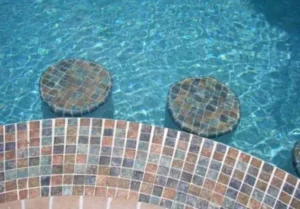
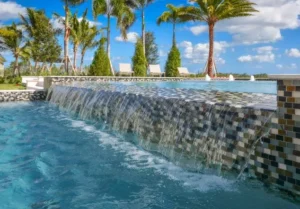
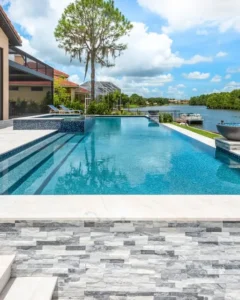
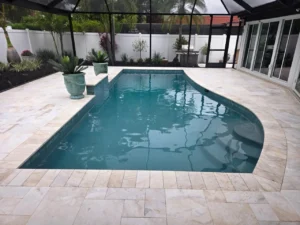
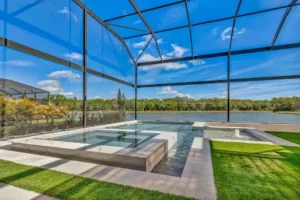
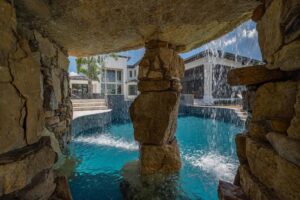
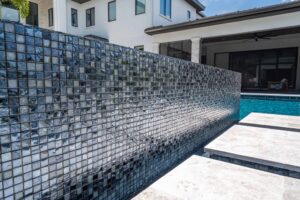
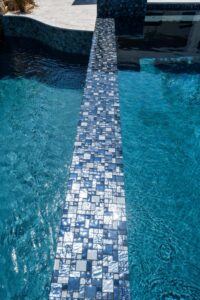
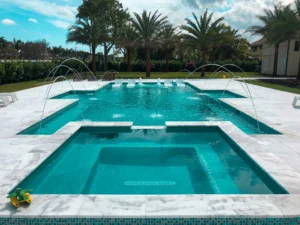
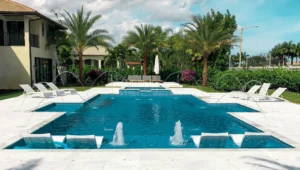
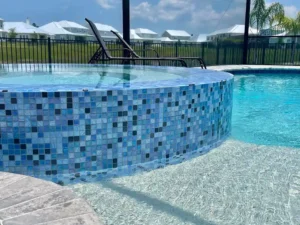
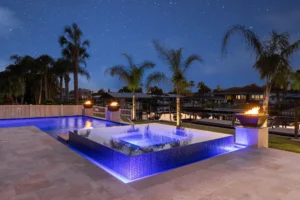
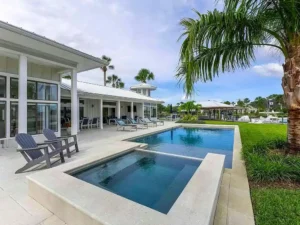

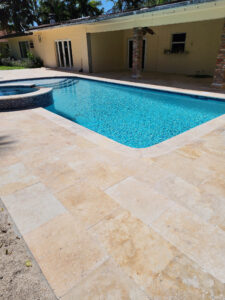
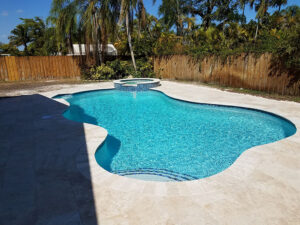
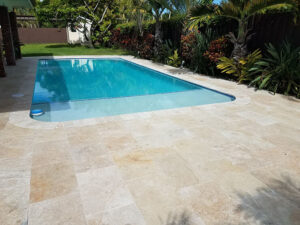
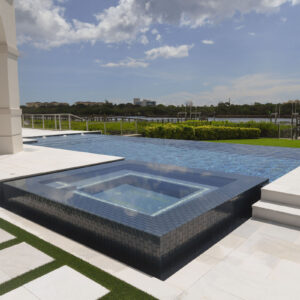
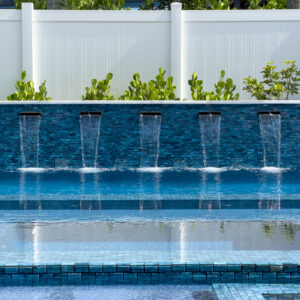
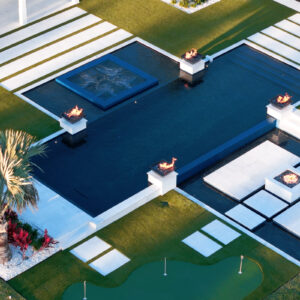
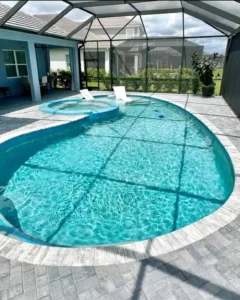
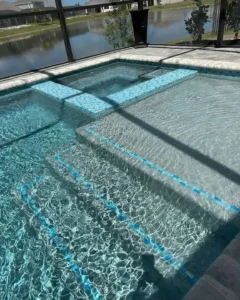
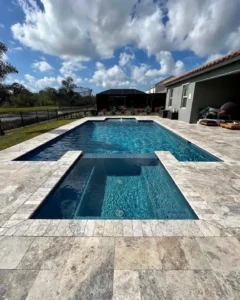
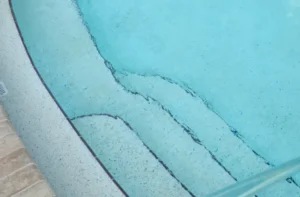
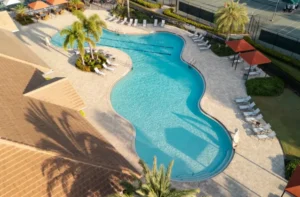
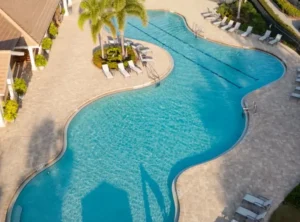
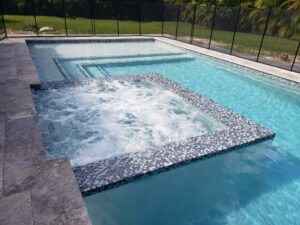
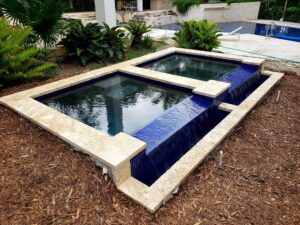
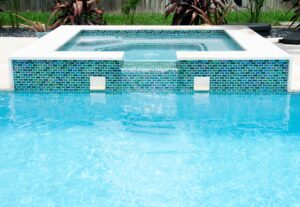
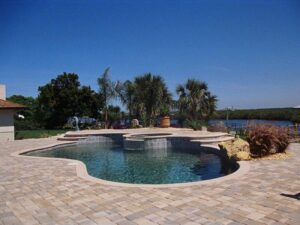
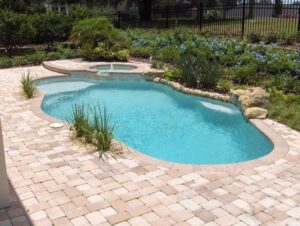
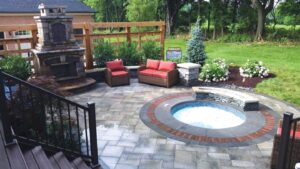
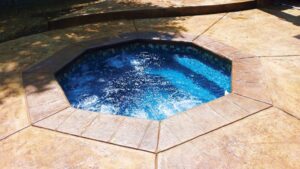
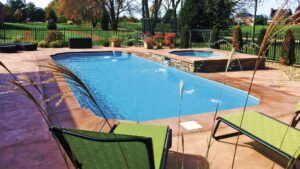
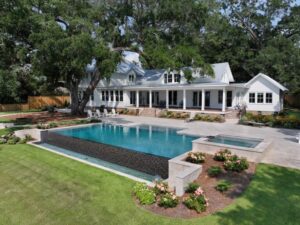
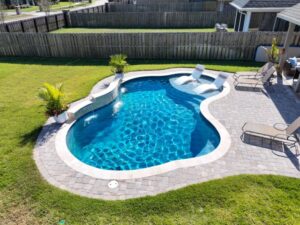
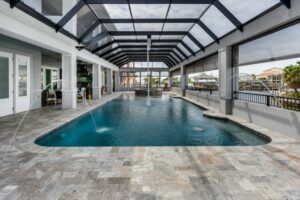
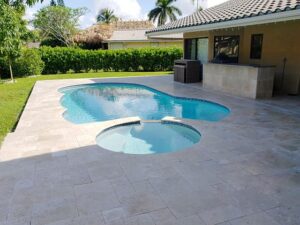
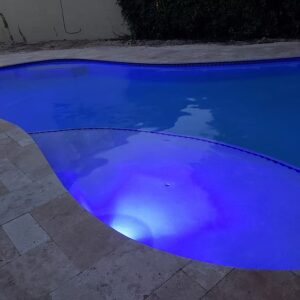
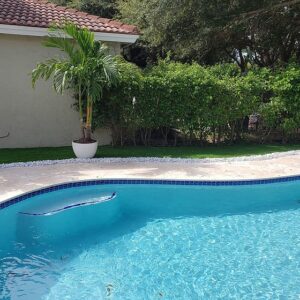
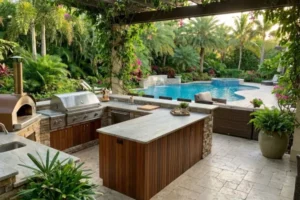
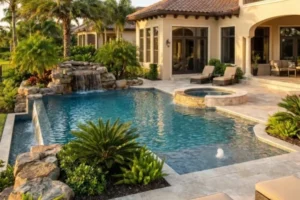
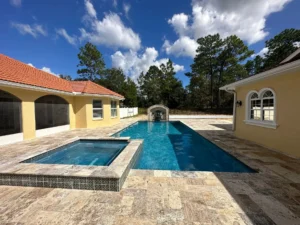
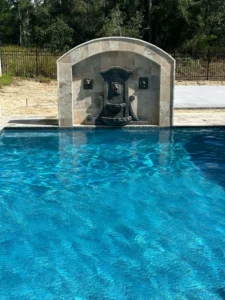
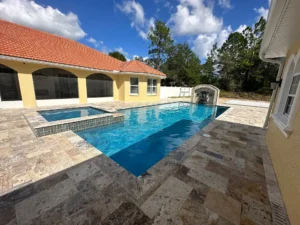
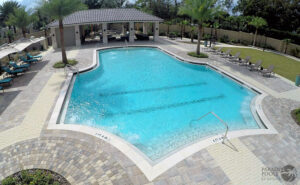
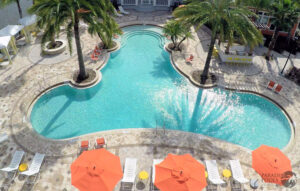
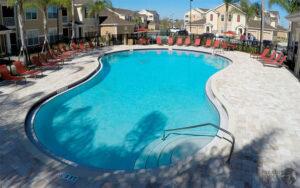
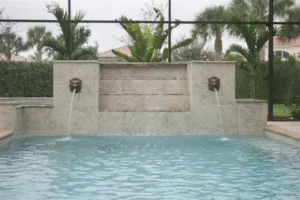
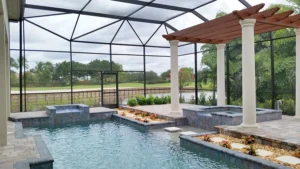
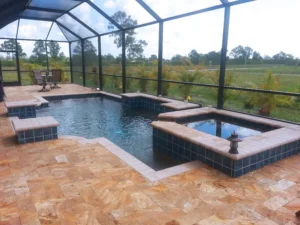
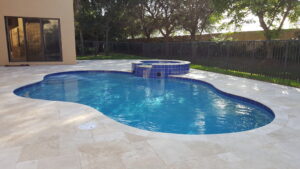
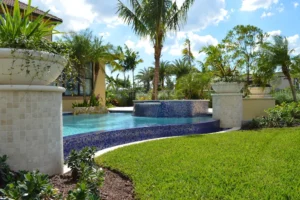
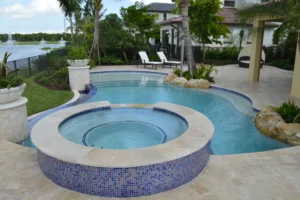
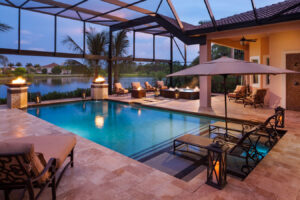
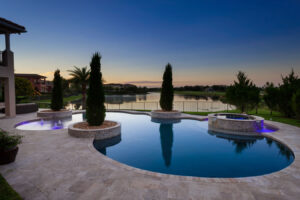
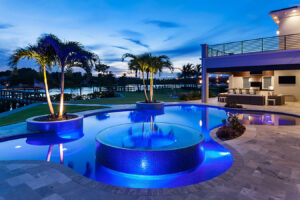
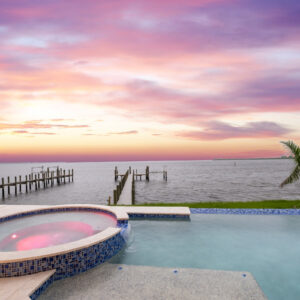
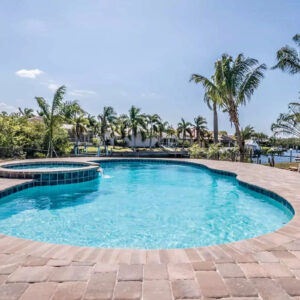
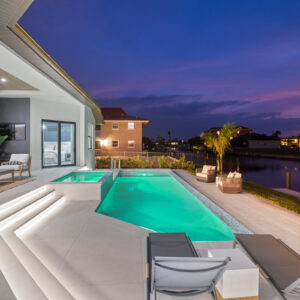
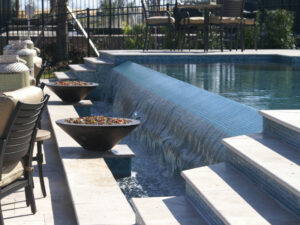
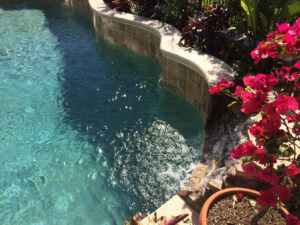
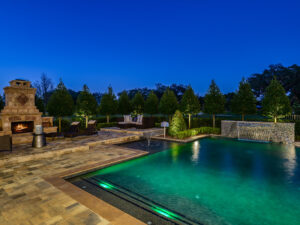
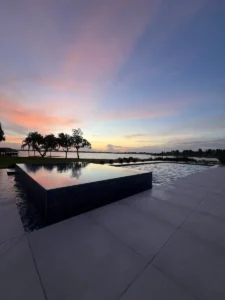
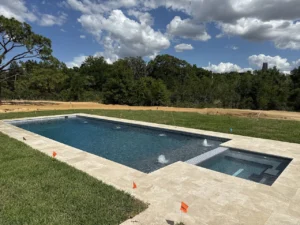
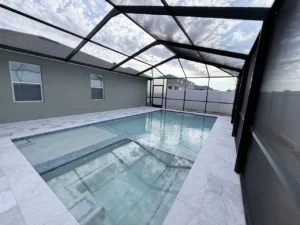
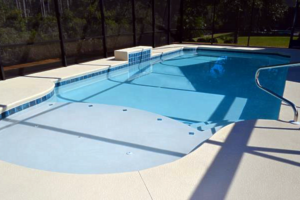
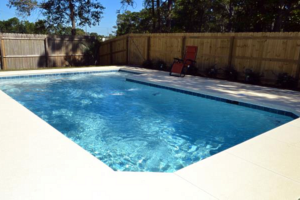
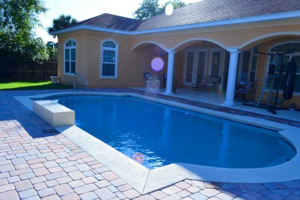
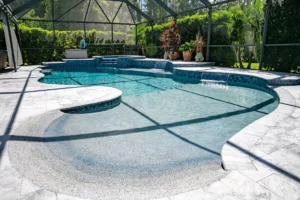
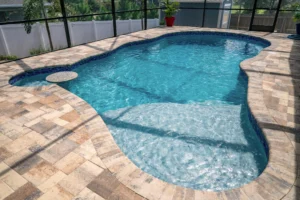
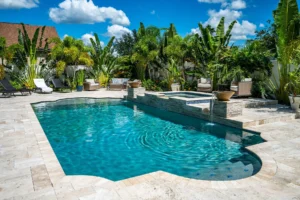
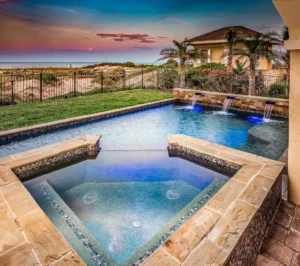
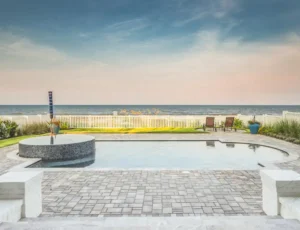
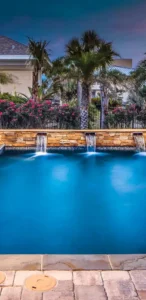
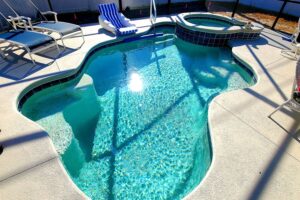
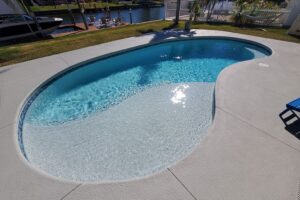
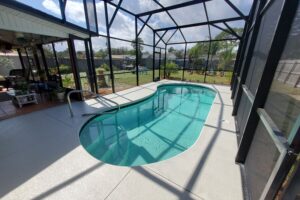
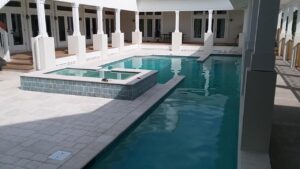
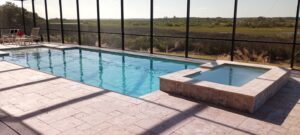
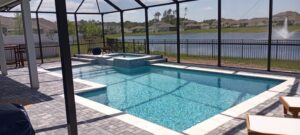
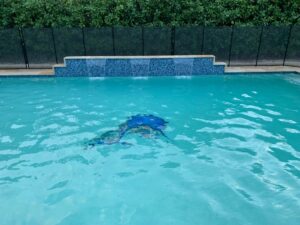
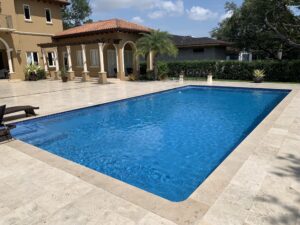
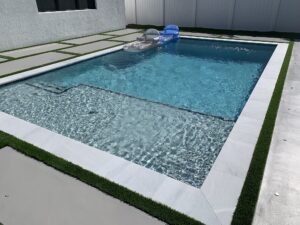
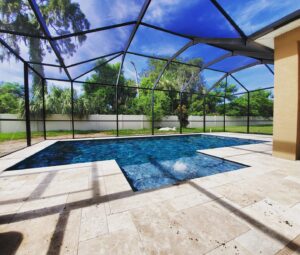
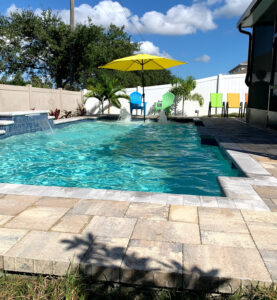
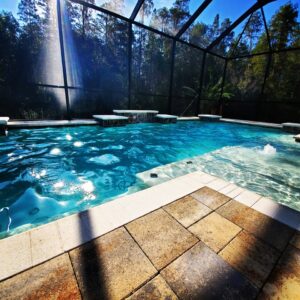
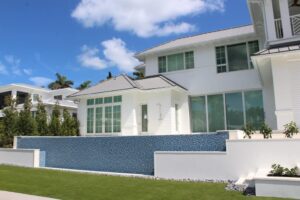
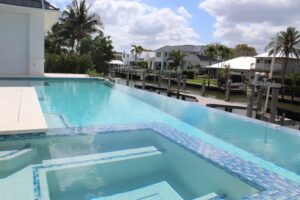
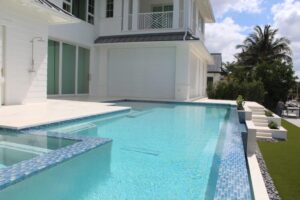

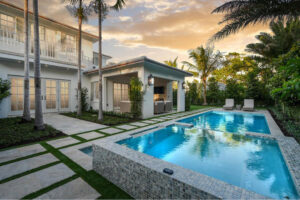
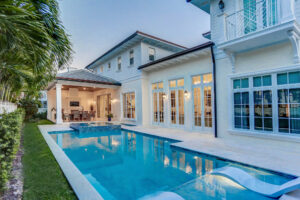
"Concrete pool" is an umbrella, not a method. Underneath it sit three genuinely different ways of getting concrete into the shape of a pool, and Florida builders use two of them almost exclusively.
| Method | How the concrete arrives | Where it is used |
|---|---|---|
| Dry-mix shotcrete | Dry material through the hose, water added at the nozzle | The dominant residential method. The trade calls it gunite |
| Wet-mix shotcrete | Ready-mixed concrete pumped to the nozzle, air added there | Common on larger jobs and on commercial pool contractors' work |
| Cast in place | Poured into formwork, like any other structure | Rare on pools, though used for walls and features |
The American Shotcrete Association draws the line cleanly. Shotcrete is the process: a concrete mixture pushed down a hose and fired at the surface hard enough to compact itself in place. Gunite is the trade name originally used for dry-mix shotcrete. Every gunite pool is a concrete pool. Not every concrete pool is gunite, and the difference is where the water joins the mix.
What all of them buy is the thing the alternatives cannot: any shape at all. The shell is drawn rather than ordered, which means a lot that would defeat a delivered shell is simply a different drawing here.
A concrete shell is a structure, and it is built like one. Understanding the sequence is what lets an owner read a schedule instead of just receiving one.
Two of those steps are the ones that decide the pool. The steel cage is the structure and the shell is the skin around it. Everything about how long the pool lasts gets settled in the days when that cage is exposed and easy to look at. Curing is the other. Concrete gains strength by hydration rather than by drying, so keeping the fresh shell wet is the work, and a shell left to bake in a Florida June is a weaker shell than the same mix cured properly.
The interior finish going on last, weeks or months after the shell, is a surprise to almost every first-time owner. That is how a pool can look finished and still be weeks away from holding water.
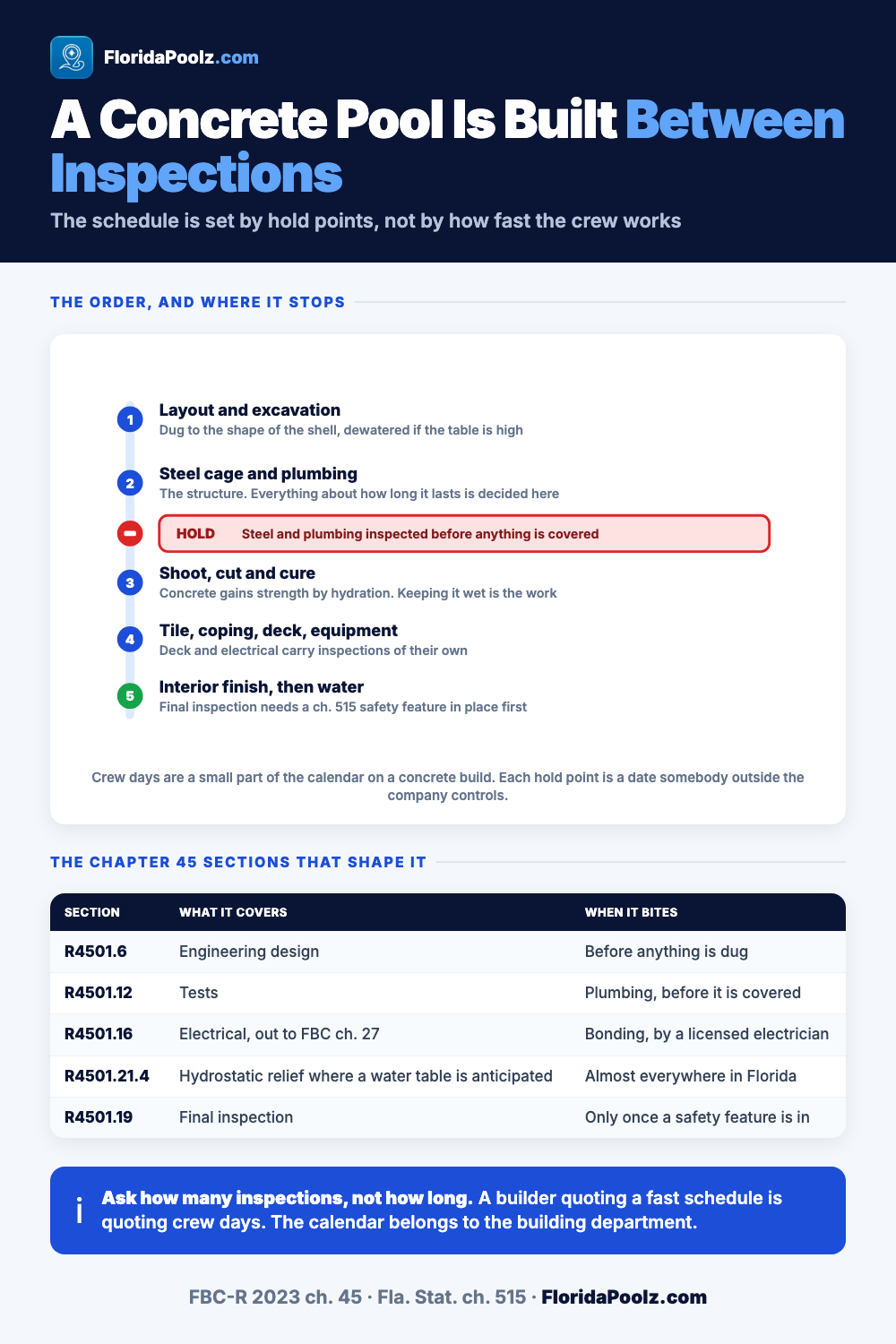
Chapter 45 of the Florida Residential Code governs residential pools, and three of its sections shape a concrete build in particular.
R4501.6 covers engineering design. A pool shell is engineered, and in Florida the ground it sits in is part of that engineering rather than an afterthought. R4501.21.4 requires an approved hydrostatic relief device where a water table is anticipated, which across most of this state means it is fitted as a matter of course. R4501.19 is the final inspection, and under chapter 515 of the Florida Statutes that inspection will not pass until at least one pool safety feature is in place: an isolating barrier, an approved safety cover, exit alarms on the doors and windows with direct access, self-closing self-latching hardware on those doors.
Electrical routes out to a different chapter entirely. R4501.16 sends it to Chapter 27 of the Florida Building Code, which is where the National Electrical Code is adopted, and that is what puts a licensed electrician on the bonding.
The single most common frustration on a concrete build is not the length of it. It's the stopping. A concrete pool is not built continuously. It goes up between inspections, and each hold point is a date somebody else controls.
Curing sits between two of those and cannot be compressed. Neither can the interior finish, which is scheduled around tile, coping and deck work rather than the other way round. A builder who quotes a fast schedule is quoting the crew days, not the calendar, and the honest version of the question to ask is not "how long" but "how many inspections, and who books them".
Weather is the Florida variable nobody costs. A summer of afternoon storms does not stop a shoot, but it stops an excavation, and a hole full of water on a lot with a high table is a pump before it is a pool.
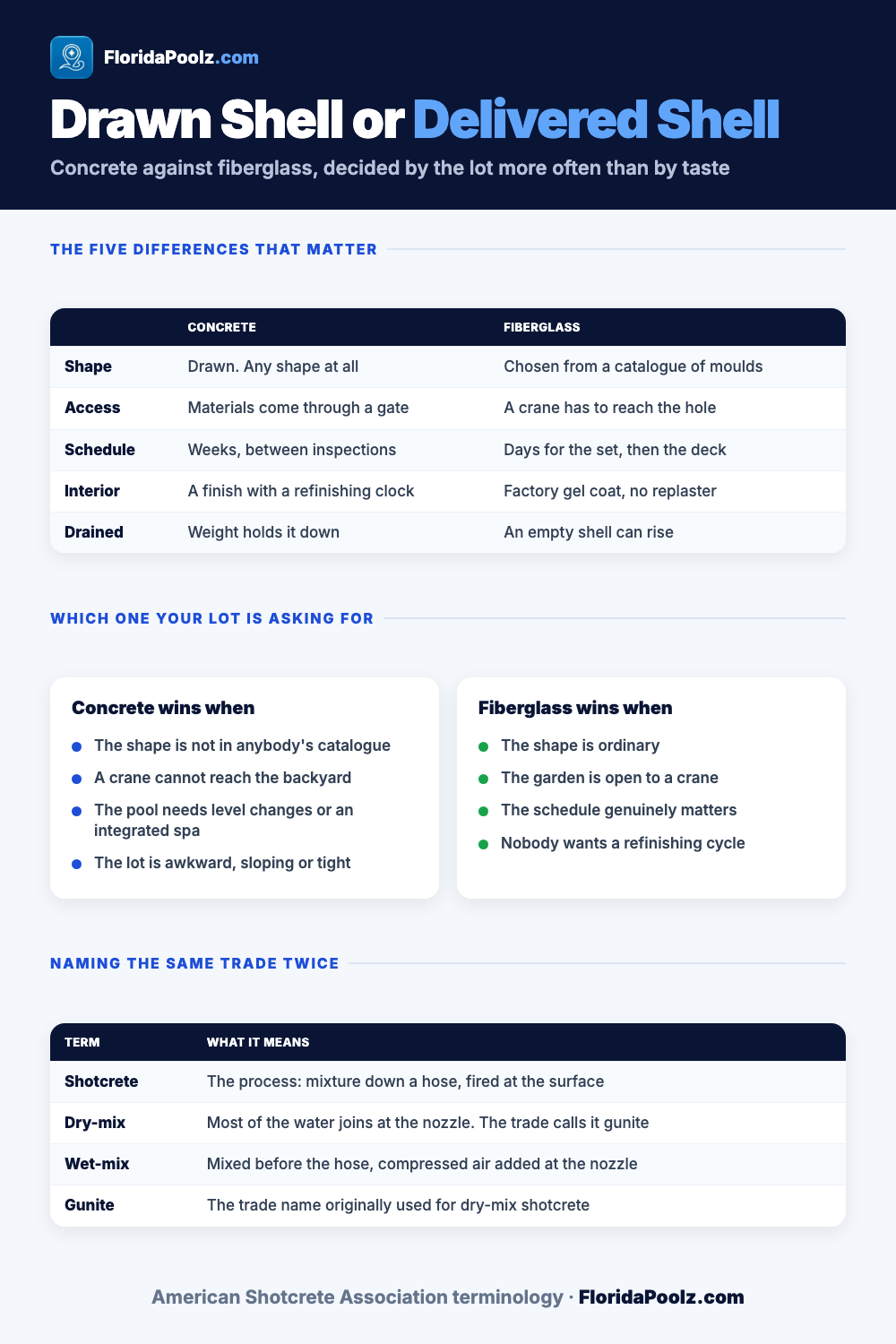
The real competitor is fiberglass, and the honest comparison turns on three things rather than on which is "better".
| Concrete | Fiberglass | |
|---|---|---|
| Shape | Drawn, any shape at all | Chosen from a catalogue of moulds |
| Access | Materials come through a gate | A crane has to reach the hole |
| Schedule | Weeks, between inspections | Days for the set, then the deck |
| Interior | A finish with a refinishing clock | Factory gel coat, no replaster |
| Draining it | Weight holds it down | An empty shell can float |
If the shape is ordinary, the lot is open and the schedule matters, fiberglass pool installation is the better answer and it is not close. If the garden is awkward, the shape is particular, or the pool is going where a lorry and a crane cannot both get, concrete wins by default. Most Florida builders quote both, and a builder who only ever recommends one is telling you about their crew rather than about your lot.
Shell size is the obvious driver and it is not the biggest one on most jobs. Everything the shell has to sit in, and everything that goes around it, is where quotes separate.
Dewatering is the Florida line item that surprises people, and it belongs on the quote as a named allowance rather than as a discovery. On a lot where the table is high, the hole has to be held dry through the steel tying and the shoot, and that is a pump, a permit in some jurisdictions, and days.
A concrete shell is the most durable thing in the backyard and the interior on it is not. That split is the whole ownership story.
Plaster, quartz and pebble interiors all wear, and all of them are eventually redone. That is a scheduled, significant expense on a cycle measured in years, and the single largest difference in running cost between a concrete pool and a delivered shell. Ask any builder quoting a finish what its expected service life is and what a refinish costs today, and write the answer down.
Water that runs acidic etches a plaster interior. Water that runs hard scales it. Neither shows up quickly and both shorten the interval to the next refinish, which makes balance a maintenance cost rather than a chore.
Pump, filter, heater, salt cell and lighting wear at the same rate whatever the shell is made of. Nothing about concrete makes the equipment pad more or less expensive.
The roster above is every builder profile tracked here that names concrete pool construction among its services, counted live. Well over a hundred of them have a concrete build in the photographs reviewed for this directory. What builders claim and what their photographs show agree more closely here than on almost any other term, and that reflects a method which is close to the default for a custom pool in this state.
The overlap with gunite pool builders is heavy, since dry-mix shotcrete is the most common way of doing this. If a builder's own material says gunite and yours says concrete, you are describing the same trade.
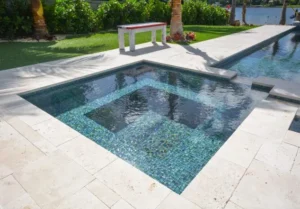
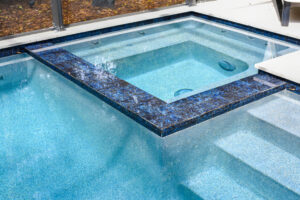
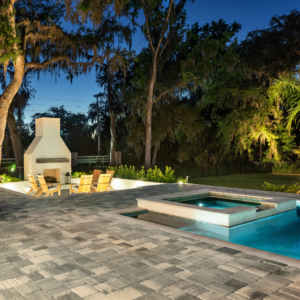
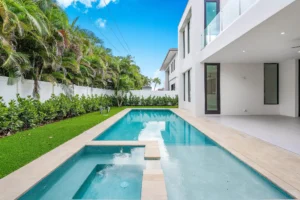
The shell is the first decision and it constrains several others. The interior finish, the coping and the pool deck are one continuous piece of work at the edge, and the deck carries the footers if a screen enclosure is going over it. An integrated spa is shot with the shell rather than added to it, which puts it firmly in the first conversation.
Equipment can wait but benefits from not waiting. Pool heater installation, pool lighting and a saltwater system all involve things trenched or cast in during the weeks the ground is open.
Supply for this work is statewide. The deepest rosters sit in Orlando, Miami and Tampa, and across Palm Beach and Miami-Dade counties.
Gunite is a kind of concrete pool, not an alternative to one. The American Shotcrete Association is precise about it: shotcrete is the process of pushing a concrete mixture down a hose and firing it pneumatically at high velocity, and gunite is the trade name originally used for the dry-mix version of that process, where most of the mixing water is added at the nozzle. Wet-mix shotcrete arrives already mixed and gets compressed air at the nozzle instead. So every gunite pool is a concrete pool, and the difference between the two names is where the water joins the mix.
Longer than the crew days suggest, and the reason is the hold points rather than the labour. The build stops for a permit before excavation, for a steel and plumbing inspection before the shell is shot, for deck and electrical inspections at their own stages, and for a final inspection that will not pass until a safety feature required by chapter 515 of the Florida Statutes is in place. Curing cannot be compressed either. The useful question to a builder is not how long, but how many inspections there are and who books them.
Yes, and most of Florida is that lot. Two things make it work. The excavation gets dewatered so the hole stays dry through the steel tying and the shoot, which is a real line item that belongs on the quote rather than turning up as a surprise. And the finished shell gets a hydrostatic relief device, required under R4501.21.4 of the Florida Residential Code wherever a water table is anticipated, which lets groundwater into the shell rather than pushing against it. Weight is the concrete pool's advantage here: full or empty, it is heavy.
Hairline crazing in an interior finish is common and is a surface matter rather than a structural one. Structural cracking is rare and traces back to the things settled in the days the cage was exposed: the steel schedule the engineering called for, whether the excavation was on undisturbed ground, and whether the shell was cured properly rather than left to dry. Concrete gains strength through hydration, so keeping a fresh shell wet is the work. A shell allowed to bake in June is a weaker shell than the same mix cured properly.
Three families, in ascending order of price and service life. Plaster, which Florida still often calls marcite, is the traditional finish and the shortest lived. Quartz-aggregate finishes sit in the middle. Pebble finishes are the most durable and the most textured underfoot. All of them wear and all of them are eventually redone, which is the defining ownership cost of a concrete pool. Fully tiled interiors exist and are a different order of expense again.
Over a long enough period, yes, and the refinishing cycle is why. A concrete interior wears and is eventually redone as a scheduled, significant expense. A fiberglass shell's gel coat has no equivalent event. Everything else is the same: pumps, filters, heaters, salt cells and lights wear identically whatever the shell is made of. Chemistry matters more on concrete, since acidic water etches a plaster interior and hard water scales it, and both shorten the interval to the next refinish.
That is the whole reason to choose one. The shell is drawn rather than ordered, so the shape follows the lot instead of the lot having to suit a mould. Level changes, benches, integrated spas, vanishing edges and awkward setbacks are all solved on the drawing. The practical limits are the engineering, the budget and the access for materials and spoil, not the catalogue. Where a lot is straightforward and the shape ordinary, a delivered shell is usually faster and cheaper.
Start from the roster on this page and narrow by city; supply is statewide, with the deepest rosters around Orlando, Miami and Tampa. Then ask two questions that sort a custom builder from a volume one. Which placement process do they use, dry-mix or wet-mix, and is the crew in-house or a shooting subcontractor? Neither answer is wrong, and both tell you who is actually standing on your job on the day that matters. And ask for the dewatering allowance to be named on the quote rather than assumed.
Still weighing it up? These are the choices most people compare with Concrete Pool Builders in Florida.