
Orange County
Southern Pool Designs – Luxury Custom Pools Lake Nona & St. Cloud
8.2
FloridaPoolz Score
DBPR verified
Pool builders by service
A saltwater swimming pool near me is one of the most searched pool upgrades in Florida, and the thing most people get wrong about it is the basics: a salt pool is a chlorine pool that makes its own chlorine on site. Conversion is a morning's work. What it changes is everything the water touches. Below, what to check first and who does this work across the state.
162 listings here

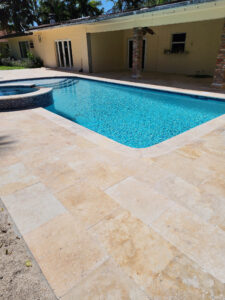
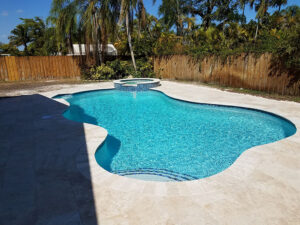
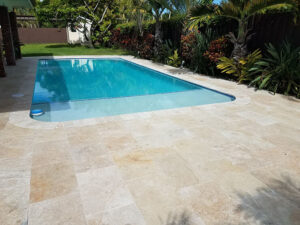
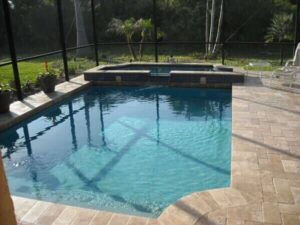
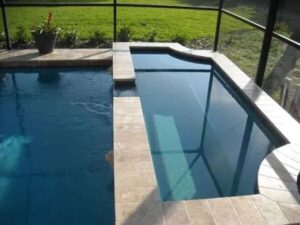
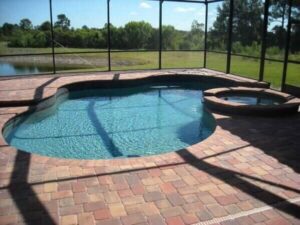
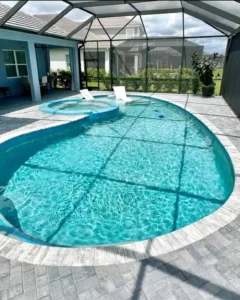
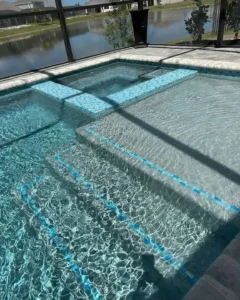
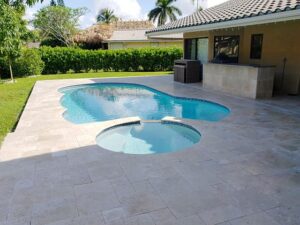
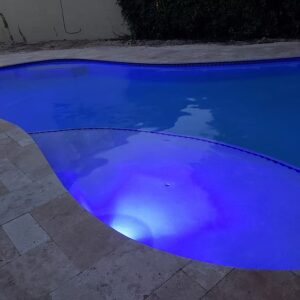
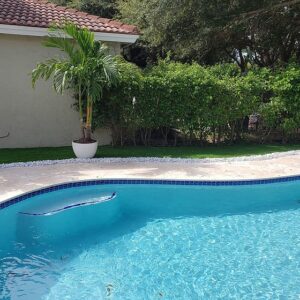
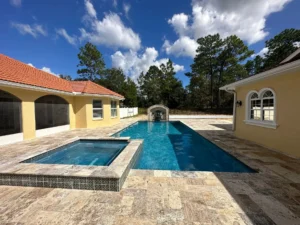

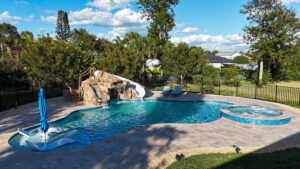
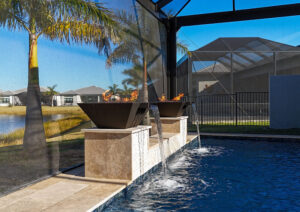
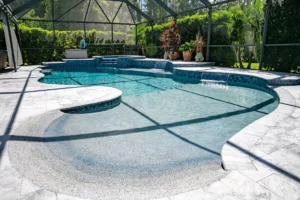
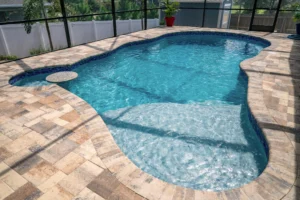

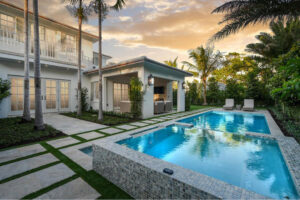

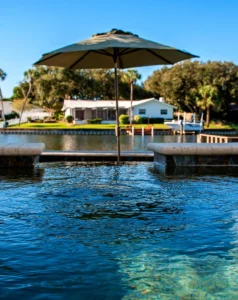

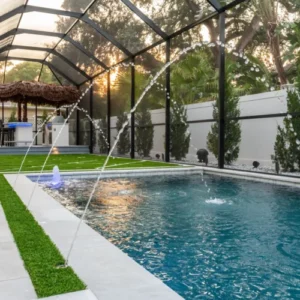
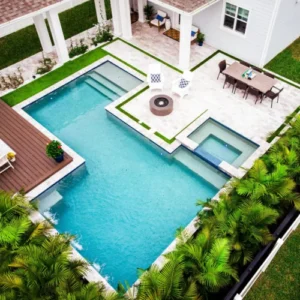
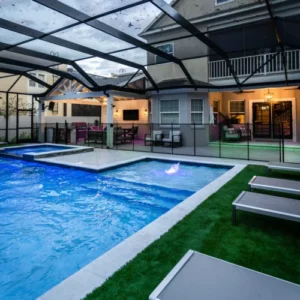
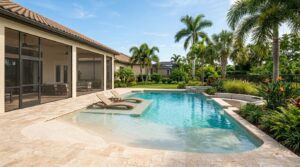
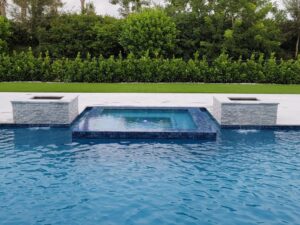
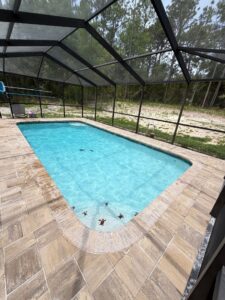
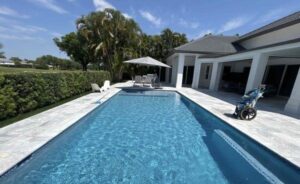
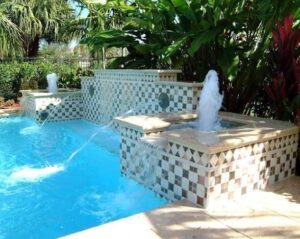
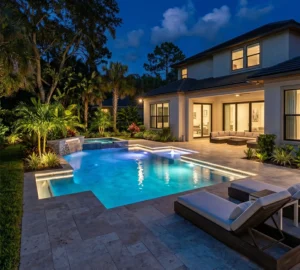
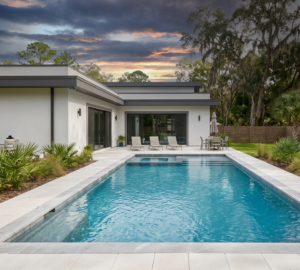
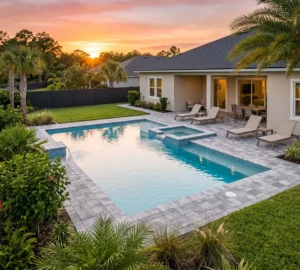

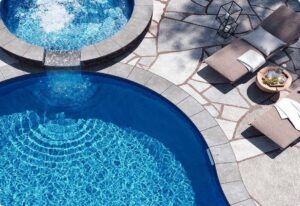
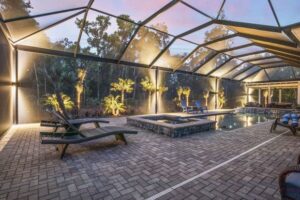
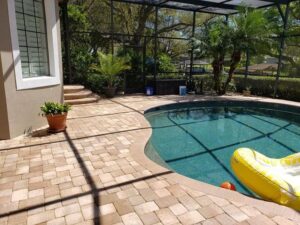
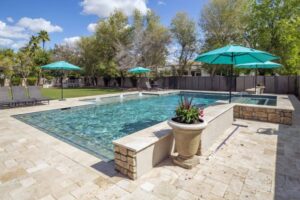
This is the sentence the whole category needs and almost never gets. A salt pool sanitises with chlorine. It just makes its own, on site, all day, instead of taking it from a bucket. The Centers for Disease Control put it plainly: an electric current is passed through the water to generate free chlorine from sodium chloride, and that free chlorine "is the same as the free chlorine generated when traditional chlorine products are added to pool water".
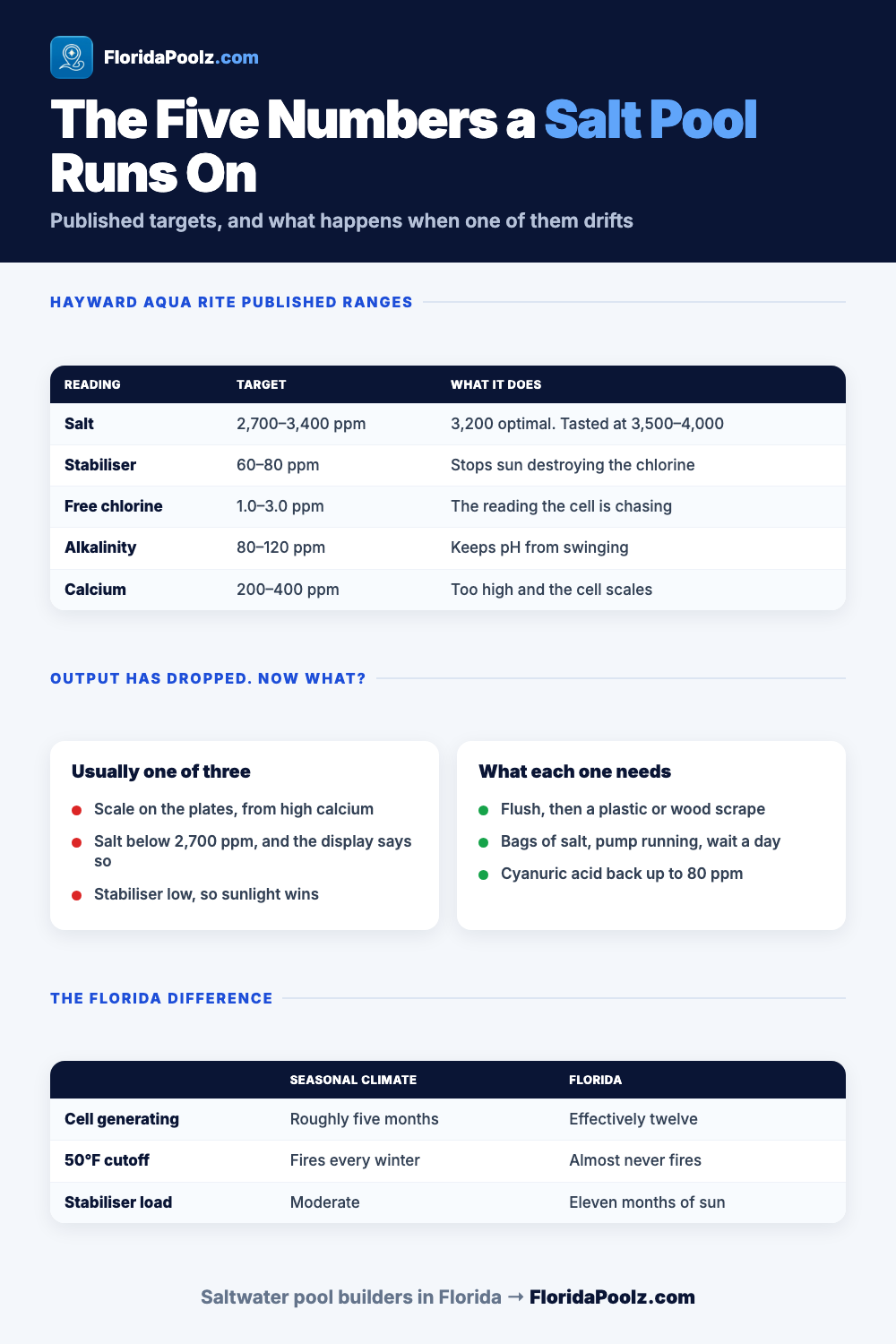
What actually changes is the delivery. Instead of a weekly dose that spikes and decays, a cell in the equipment line produces chlorine continuously at a rate you set on a dial. The water sits at a steadier level, the smell of a freshly shocked pool goes away, and the salt itself is barely detectable. Hayward puts the working range at 2,700 to 3,400 ppm with 3,200 optimal, and notes people start to taste salt somewhere around 3,500 to 4,000. Seawater is roughly ten times that.
So the honest framing is not chlorine against salt. Call it a bucket against a machine, and the machine costs more to buy and less to think about.
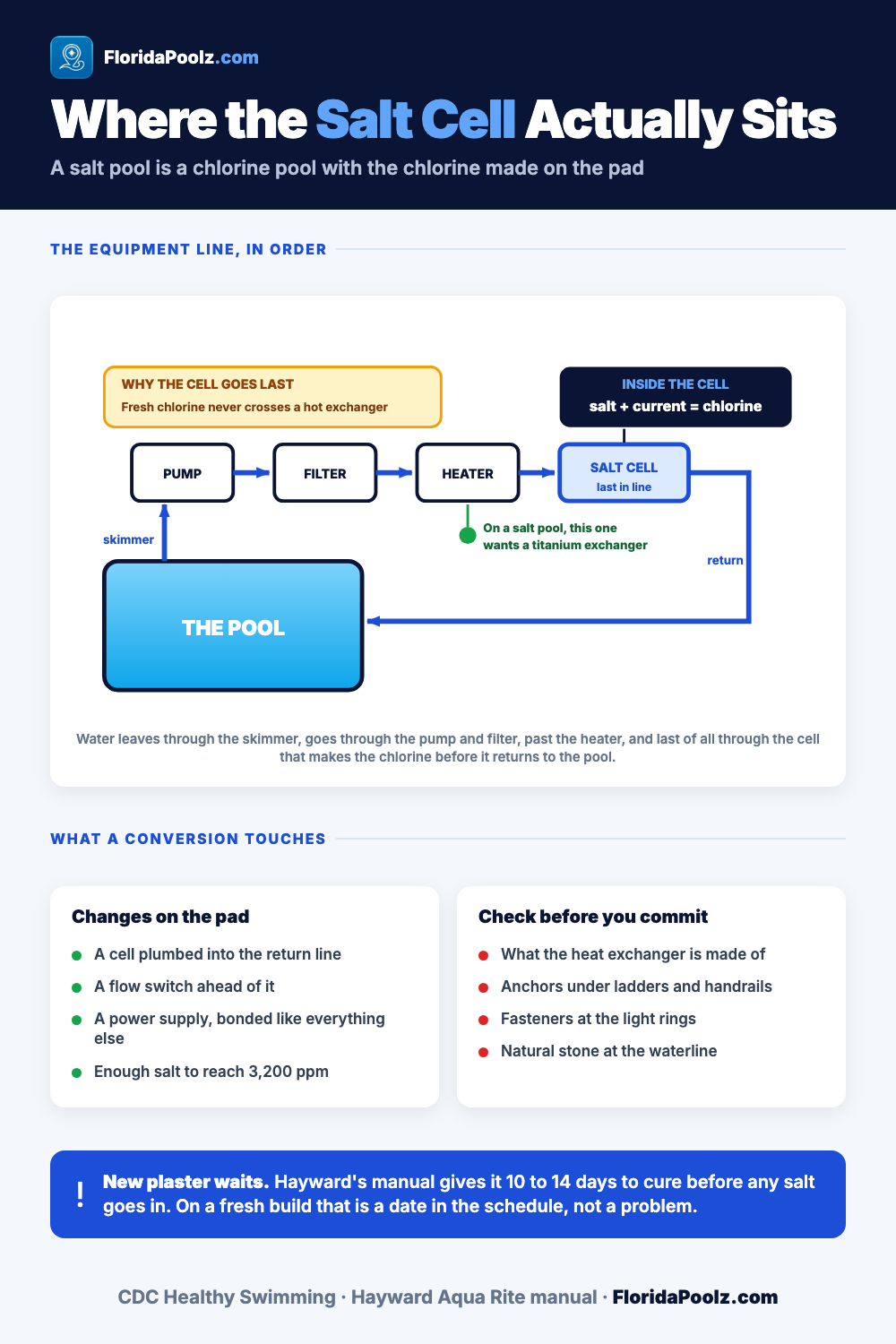
Most saltwater pools in Florida were not built as saltwater pools. They were converted, and the conversion is one of the easiest upgrades in the backyard: a cell plumbed into the return line after the filter and heater, a power supply mounted at the pad, and enough bags of salt to bring the water up.
What the conversion does not do is change everything the water touches, and that is where the real question sits. Before converting, the things worth checking:
That last one has a number attached. Hayward's manual says to wait 10 to 14 days after a new plaster pool before adding salt, so the surface can cure first. On a fresh build that is a scheduling item, not an obstacle.
The hardware is small and the sequence is short, which is why this is a morning rather than a project.
Two details separate a clean install from a callback. The cell goes downstream of the heater, so it is never sending fresh chlorine straight through a hot exchanger. And the power supply gets a bonding lug tied into the same grid as everything else metallic around the pool, which is the same requirement the pump and the heater carry.
Sizing is a volume question and nothing else. A cell is rated for a number of gallons, and the working rule is to fit one rated at or above the pool's volume rather than exactly at it. A cell run flat out all day to keep up is a cell that wears out early.
Salt systems have a low-temperature cutoff, and it is the clearest illustration of what this state does to pool equipment. Hayward's Aqua Rite stops generating when the water drops below 50°F, on the reasoning that algae and bacteria have stopped growing by then.
In most of the country that cutoff is a season. In Florida it almost never fires. The pool is warm enough to grow algae in January, so the cell generates in January, and a component that a northern owner runs for five months a year runs here for twelve. Every consumable clock on this page moves at Florida speed rather than catalogue speed.
The second Florida factor is the stabiliser. Cyanuric acid protects free chlorine from being destroyed by sunlight, and eleven months of it here is a heavy load. Hayward's target is 60 to 80 ppm, and the manual's own observation is worth repeating: salt and stabiliser decline together, so a pool that has drifted low on one is usually low on both. A salt cell working hard to hold a chlorine reading is often not a failing cell at all. It's an unprotected one.
The characteristic failure is scale, and it happens on the cell plates rather than anywhere you would look. Hayward describes it as light-coloured crusty or flaky deposits on the plates, and names the cause directly: an unusually high calcium level, usually from old pool water. A scaled cell reads as low output, which sends people shopping for a new cell when the water chemistry is the actual fault.
Cleaning it is deliberately low-tech. Flush with a hose, and if that fails scrape with a plastic or wooden tool, never metal, since metal takes the coating off the plates. Acid washing is a last resort, at a four-to-one dilution of water to muriatic acid, and it shortens the cell every time it is done.
The other failures are all about what salt water is standing against.
| What it attacks | How it shows | What prevents it |
|---|---|---|
| A cheap heat exchanger | Pinhole leaks, then failure | Titanium, and checking before conversion |
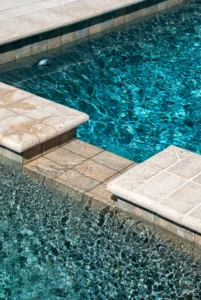
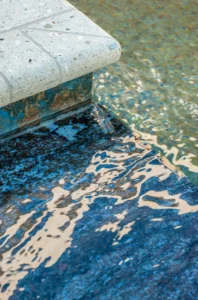
| Natural stone coping | Pitting and spalling at the waterline | Sealing, and rinsing splash zones |
| Ladders and rails | Rust at the anchor sleeve | Marine-grade fixings, rinsed |
| Screen enclosure fixings | Staining, then loose fasteners | Distance, drainage and stainless |
A conversion is one of the cheapest changes anybody makes to a pool, and a new build with salt designed in is cheaper still in real terms, since the metallurgy is chosen once rather than replaced. The drivers:
The line item that catches people is the last-but-one. A conversion that arrives alongside a heater replacement is not a conversion, it is a heater replacement with a cell attached, and it is worth having both quoted separately so the decision stays visible.
Salt pools are sold on running cost and they do win on it, but not for the reason most people are given. Chlorine is not free here. It gets made, out of electricity and out of a consumable cell.
A wearing part with a finite life, and replacing it is the single largest recurring cost of owning a salt pool. In Florida, where it generates all year, that clock runs faster than the brochure assumes. Budget for it as a scheduled replacement rather than an unpleasant surprise, and ask any builder quoting a system what a replacement cell for that specific model costs today.
Hayward is explicit that salt is not lost to evaporation. Salt leaves through splash-out, backwashing, and rain pushing the pool over the tile line, which in this state is the main route. A pool that needs salt every month has a leak, not a habit.
Cyanuric acid, calcium hardness between 200 and 400 ppm, alkalinity between 80 and 120: the numbers the cell depends on to work at all. Salt does not remove pool chemistry. Salt removes one errand and adds a different discipline.
The roster above is every builder profile tracked here that names saltwater work among its services — a large slice of the directory, and a fair reflection of how normal this has become in the state.
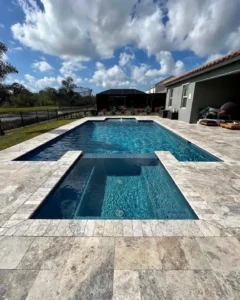
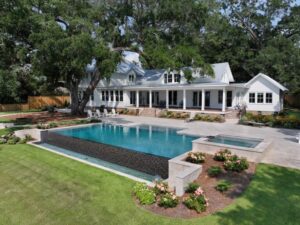
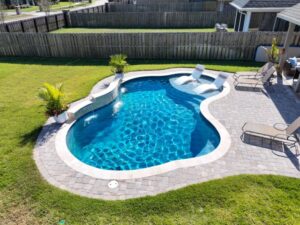
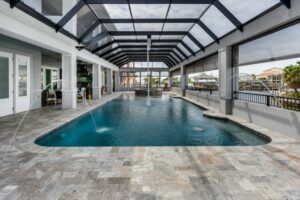
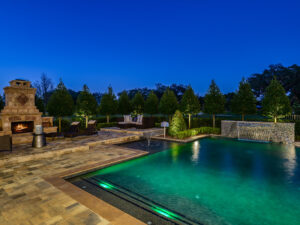
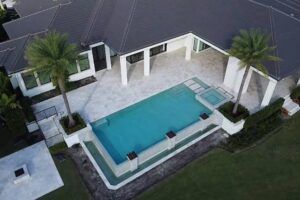
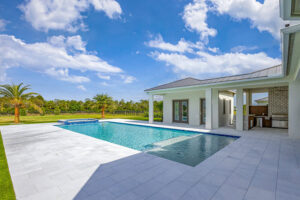
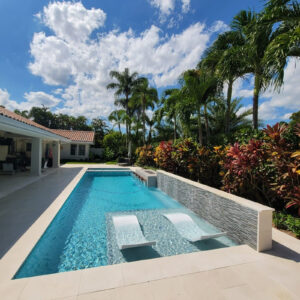
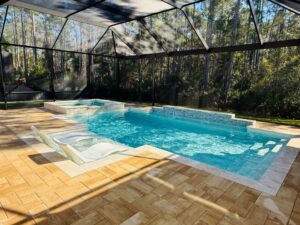
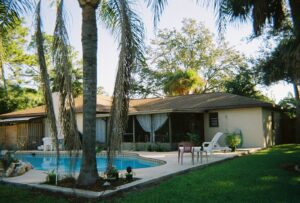
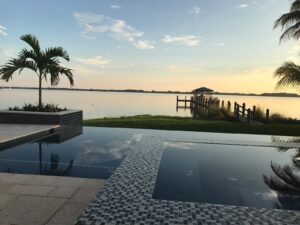
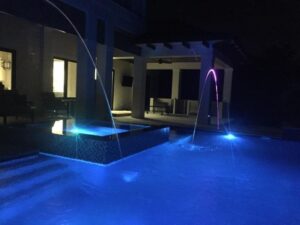
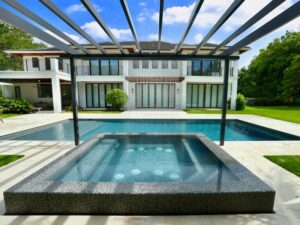
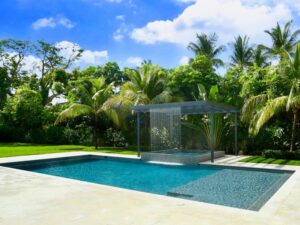
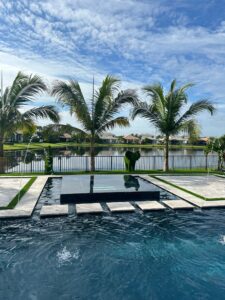
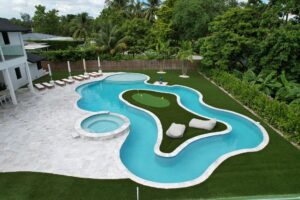
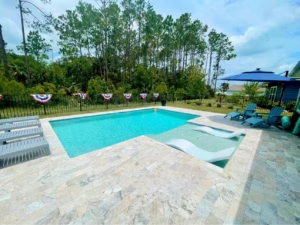
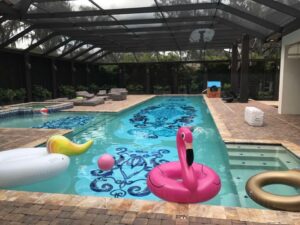
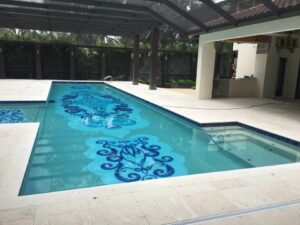
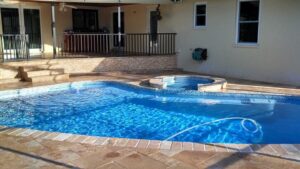
No gallery settles this one. A salt cell is a grey cylinder on the equipment pad, and no photograph of a finished pool shows whether the water in it is salted. Ask instead which brand of system they fit, what a replacement cell costs, and, on a conversion, what they checked before quoting. The last question is the one that separates a fitter from a builder.
If the pool is not built yet, the salt decision is best taken at the same time as the shell, since it changes which heater, coping and fixings make sense. Gunite and concrete shells take a salt system without complaint, and a fiberglass shell has no plaster to cure, so the ten-to-fourteen-day wait does not apply.
The two pieces of equipment that care most are heating and lighting. Pool heater installation on a salt pool is a metallurgy question before it is a price one, and pool lighting fixtures sit in the water with the fixings that corrode first. If there is a screen enclosure over the top, its frame is one more aluminium object standing in salt spray.
Supply is broad statewide, with the densest rosters around Orlando, Tampa and Miami, and across Palm Beach and Orange counties.
No, and that is the most common misunderstanding in the category. A salt pool makes chlorine rather than avoiding it. The Centers for Disease Control describe the mechanism directly: an electric current passed through the water generates free chlorine from sodium chloride, and that chlorine is the same as the free chlorine you get from adding a chlorine product. What changes is the delivery. A cell produces it continuously at a set rate instead of arriving in a weekly dose that spikes and then decays.
Far less than people expect. Hayward's published working range is 2,700 to 3,400 ppm, with 3,200 the optimum, and the manual notes that salt only starts to be tasted somewhere around 3,500 to 4,000 ppm. Seawater runs roughly ten times higher. Most swimmers describe the water as softer rather than salty, which is the practical selling point: no bucket chlorine smell, no sharp eyes after an hour.
Almost any, and the conversion itself is a morning's work. The real question is what the water will be standing against afterwards. Check the heater's heat exchanger and what it is made of, the anchors under handrails and ladders, exposed fasteners at light rings, natural stone at the waterline, and the frame of a screen enclosure that sits close to the water. On a brand-new plaster pool there is one scheduling rule: Hayward's manual says to wait 10 to 14 days for the plaster to cure before adding salt.
The cell is a consumable and its replacement is the largest recurring cost of owning a salt pool. There is no single honest price to publish, since it varies by brand and by the gallon rating of the cell, so ask the builder quoting the system what a replacement for that specific model costs today, and put the answer in the file. Florida shortens the interval compared to a seasonal climate. Hayward's system stops generating below 50°F water, a cutoff that seldom fires here, so the cell runs twelve months a year rather than five.
Three causes account for most of it, and only one is the cell dying. Scale on the plates is the first: Hayward describes light-coloured crusty deposits caused by high calcium, usually from old pool water, and the fix is flushing or scraping with a plastic or wooden tool, never metal. Low salt is the second, and the display will say so below 2,700 ppm. Low stabiliser is the third and the most missed, since cyanuric acid at 60 to 80 ppm is what stops Florida sunlight destroying the chlorine as fast as the cell makes it.
Splash-out is the mechanism, not the water itself. Natural stone coping and travertine at the waterline can pit where salted water dries on them repeatedly, sealing helps, and rinsing the splash zone helps more. Metal is the other target: ladder anchors, light-ring fasteners and the fixings on a screen enclosure frame standing close to the water. None of it is a reason to avoid a salt pool in Florida, where the air is doing something similar anyway. It's a reason to specify the fixings properly and to rinse.
Take the roster on this page and filter it to your city first. Salt is close to standard in Florida, so almost any builder will quote it, and the listing alone does not narrow much. Three questions do: which system they fit, what a replacement cell for it costs today, and, on a conversion, what they inspected before pricing the job. A quote that arrived without anybody looking at the heater is a quote that has not been thought about.
Still weighing it up? These are the choices most people compare with Saltwater Pool Builders in Florida.