
Pool builders by county
Pool builders serving Pinellas County. The part homeowners get wrong: Pinellas holds twenty-four municipalities, and the county reviews only for unincorporated land and six partner cities. Begin with the shortlist, then settle the permitting question.
27 listings here 26 based here
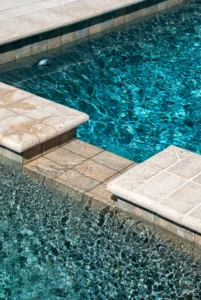
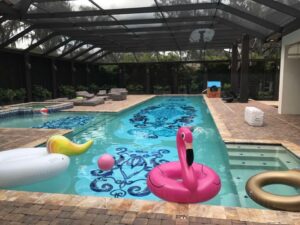
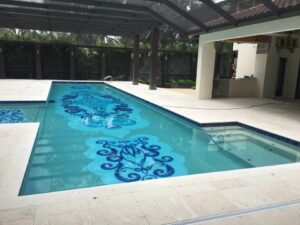
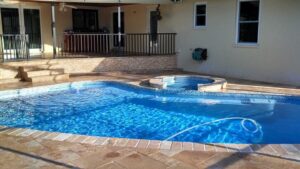
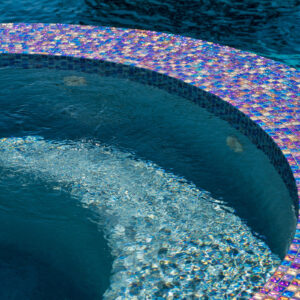
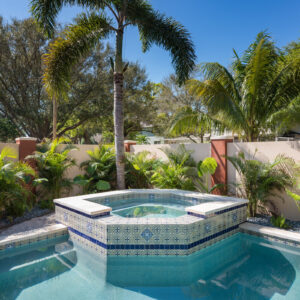
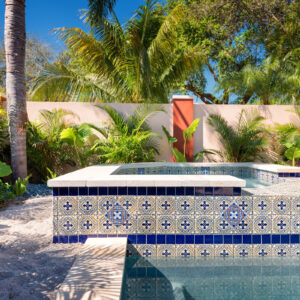
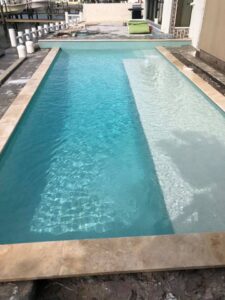
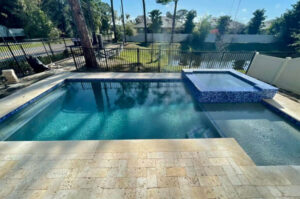
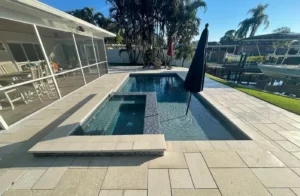
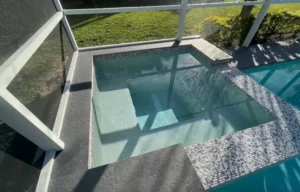
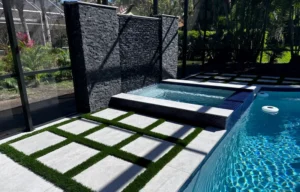
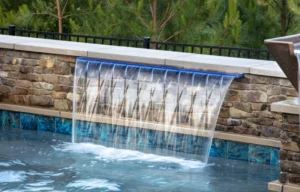
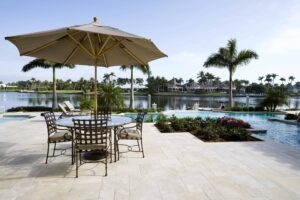
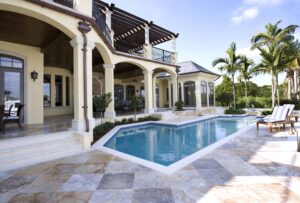
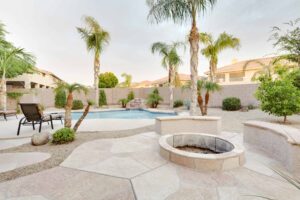
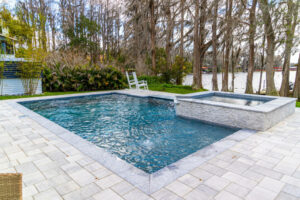
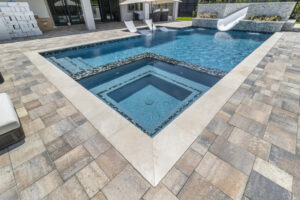
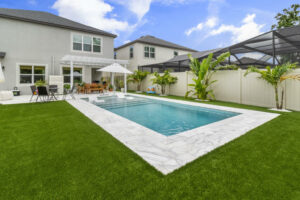
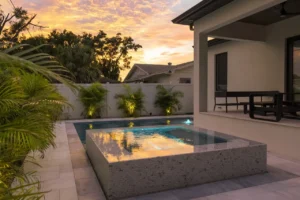
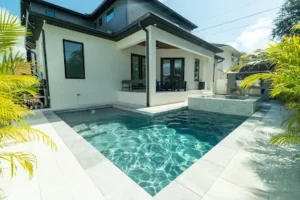
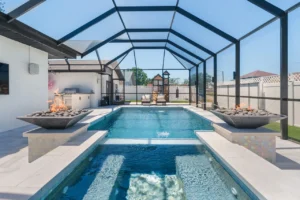

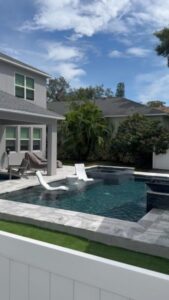
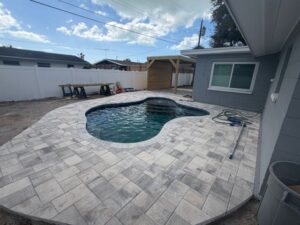
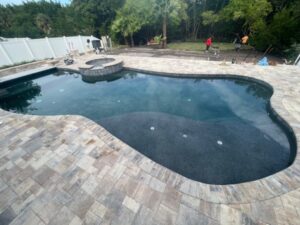













These pool builders are not based in Pinellas County and don't emphasize their services here, but they've shown they work here, too — so check them out, too!
Tell us what your dream pool is all about, and where do you want it. We'll do our best to find a professional pool builder for your project.
Pinellas is a narrow peninsula with water on three sides, and it is carved into more separate permitting jurisdictions than almost anywhere else in the state. St. Petersburg, Clearwater, Largo, Pinellas Park, Dunedin, and Tarpon Springs each run their own building department, and the county handles the unincorporated pockets plus a handful of smaller towns. The first thing a good local builder does is confirm which office issues the permit for your exact address, since a mistake there stalls the whole project.
Start with the license. Florida requires a state-certified or state-registered pool and spa contractor, and you can confirm any company's standing through the Florida Department of Business and Professional Regulation. DBPR's license lookup shows the license number, its status, and any discipline on record. A residential pool contractor carries a CPC- or RP-prefixed license; a general handyman is not qualified to build an in-ground pool here.
Ask how the contractor handles Pinellas ground. The water table across much of the peninsula sits close to the surface, so excavation often hits water within a few feet, and the shell has to be engineered against the upward pressure that groundwater puts on an empty pool. Builders who work here plan for dewatering during the dig and a hydrostatic relief valve in the floor. On the barrier islands and low coastal streets, FEMA flood rules stack on top of that.
Get several written proposals and read the scope line by line rather than the total at the bottom. A quote that leaves out the screen enclosure, the safety barrier, or the electrical bonding looks cheaper at first and costs more once the missing work returns. Screen enclosures are close to standard on Pinellas pools for keeping out debris and insects, and each one carries its own permit and inspection.
Confirm the builder pulls the permit under their own license and books every required inspection. A contractor who pushes you toward an owner-builder permit is moving liability onto you. Check that general liability and workers' compensation coverage are current, and ask for recent references in your own part of the county — a job on a dry Palm Harbor lot tells you little about a build near the Gulf.
A residential in-ground pool or spa needs a building permit before any excavation begins, and in Pinellas the office that issues it depends on where the home sits. For unincorporated Pinellas and the smaller towns it serves — Belleair Beach, Belleair Shore, Indian Rocks Beach, Kenneth City, Oldsmar, and Safety Harbor — permits run through the county's Building and Development Review Services Department at 440 Court Street in Clearwater, filed on the Pinellas County Access Portal through Accela. Homes inside cities such as St. Petersburg, Clearwater, Largo, or Pinellas Park go to that city's own building department instead.
The permit package is similar wherever you file: a site plan showing the pool against property lines, the house, and any easements, plus engineered structural drawings, the plumbing layout, and the electrical bonding plan. The reviewing office checks the submittal against the Florida Building Code and schedules inspections at set stages — steel and bonding before the shell pour, plumbing pressure tests, the safety barrier, and a final once the deck and enclosure are finished.
Safety barriers are not optional. Florida's Residential Swimming Pool Safety Act (Chapter 515) and the Florida Building Code call for a barrier at least four feet high on the outside around every new residential pool, with no gaps a young child could slip through and gates that self-close and self-latch, opening away from the water with the release on the pool side.
The statute asks for more than the fence alone. Beyond the barrier, a new pool needs at least one added layer of protection: an approved safety cover meeting ASTM F1346, exit alarms rated at least 85 decibels on doors and windows with direct pool access, a self-latching device mounted no lower than 54 inches on those doors, or a pool alarm certified to ASTM F2208. A builder who knows the code writes the barrier and the second feature into the plan set from the start.
Groundwater and flood exposure define the county's harder sites. Pinellas is a low peninsula ringed by Tampa Bay, Boca Ciega Bay, and the Gulf, and its barrier islands and coastal streets fall inside FEMA Special Flood Hazard Areas — mostly AE zones, with VE wave-action zones right on the coast. Building there triggers extra review, and you can check a parcel on the county's flood maps. Expect a surveyor's elevation certificate and raised placement for the pump and heater so the equipment survives a storm surge.
Homeowners across Pinellas tend to open with two questions, and the first one catches people off guard: who actually issues my permit. On a peninsula this fragmented, a St. Petersburg address, a Clearwater address, and an unincorporated address each route to a different building office, and owners often assume the county handles all of it. It does not.
The second thread is the ground itself. People have heard that digging a pool near the coast or on low-lying land runs into water fast, and they want to know what that does to the design, the timeline, and the cost. Barrier-island owners worry about elevation certificates and insurance, buyers on inland lots ask more about groundwater and the shell engineering that goes with it. Groundwater, flood-zone paperwork on the islands, and the near-standard screen enclosure are the line items that separate a thin quote from a complete one. The questions below are the ones that come up most on Pinellas projects.
Yes. Every in-ground pool or spa needs a building permit before excavation. Where you file depends on the address: unincorporated Pinellas and towns like Safety Harbor, Oldsmar, and Indian Rocks Beach go through the county's Building and Development Review Services on the Access Portal; homes inside St. Petersburg, Clearwater, Largo, or Pinellas Park use that city's own building department.
Often, yes. Across much of the peninsula the water table sits close to the surface, so excavation can hit groundwater within a few feet. Crews plan for dewatering during the dig, and the shell is engineered with a hydrostatic relief valve so groundwater pressure cannot lift or crack an empty pool. A builder who works Pinellas regularly designs around this from the start.
State law sets the floor. Under the Residential Swimming Pool Safety Act, a new residential pool needs a barrier at least four feet high with self-closing, self-latching gates that open away from the water. On top of the barrier, the pool needs one more safety feature, such as an approved safety cover, exit alarms on doors with pool access, or a certified pool alarm.
If you are on a barrier island or a low coastal street, quite possibly. Much of the coast falls inside FEMA Special Flood Hazard Areas — AE zones inland of the water and VE wave-action zones at the shore. A flood designation adds review to the permit, calls for a surveyor's elevation certificate, and usually means the pump and heater sit on raised platforms. Check your parcel on the county flood maps.
Look the company up on the Florida DBPR license portal. A qualified residential pool contractor holds a state license, usually with a CPC or RP prefix, and the record shows whether it is active and clear of discipline. A general contractor's license by itself does not cover in-ground pool construction in Florida. Confirm the insurance is current too.
Yes. Screen enclosures are common on Pinellas pools for shade, debris control, and keeping insects off the water, and each one needs its own building permit and inspection apart from the pool shell. The enclosure has to meet the code for self-closing, self-latching screen doors. Fold it into the original contract so it is not billed as a pricey add-on later.
Plan for weeks, not days. Residential permits commonly take a few weeks to clear after the application is complete, and a flood-zone parcel or a correction request stretches that further. A clean, engineered submittal moves faster than one an office has to send back. Your contractor should give you a current estimate when they file.
If you didn't find a pool builder for your Pinellas County passion project here, check out the neighbours: professional pool builders usually don't mind travelling a few miles to help new customers with the most exciting projects.