
Pool builders by service
Fiberglass pool installation is the fastest way to get water in a Florida backyard, and the one most often decided by the driveway rather than the design. The shell arrives finished, on a permitted over-dimension load, and gets craned into a hole. What follows is the roster of builders across the state who set them.
98 listings here
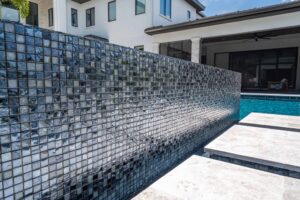
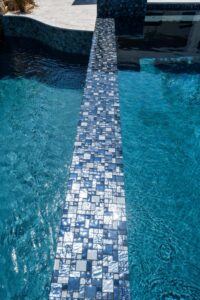
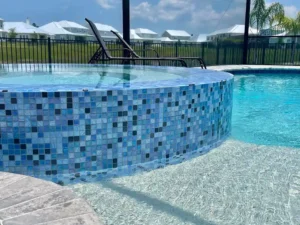
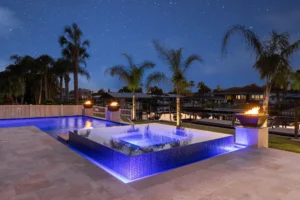
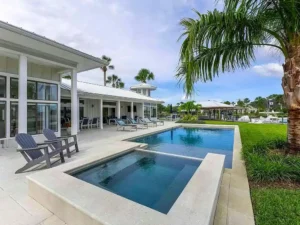

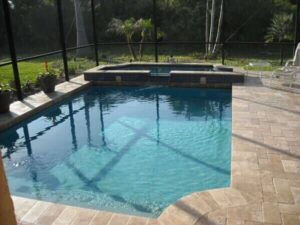
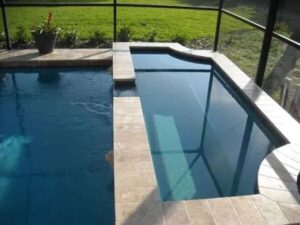
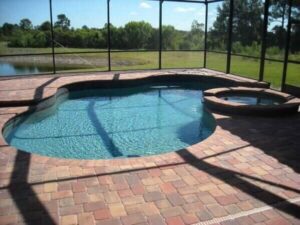
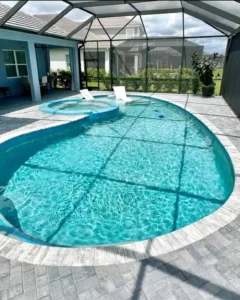
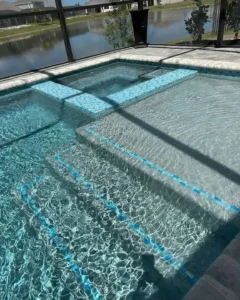
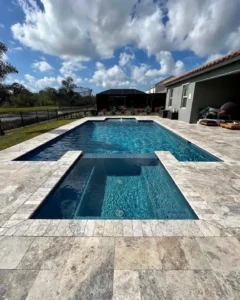
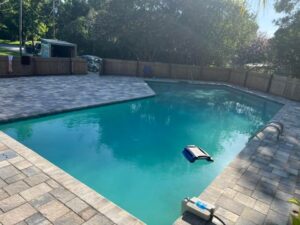
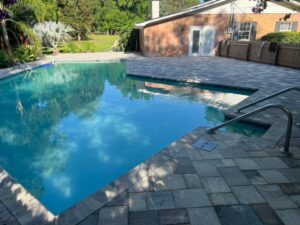
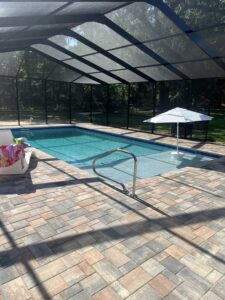
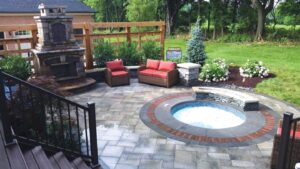
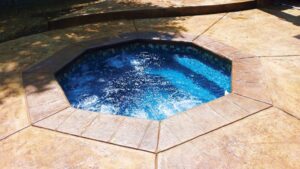
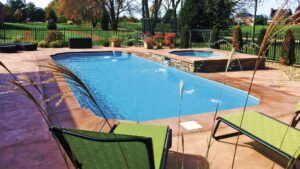
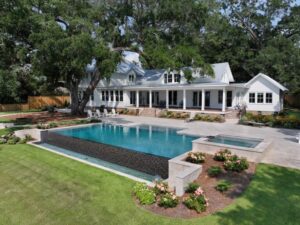
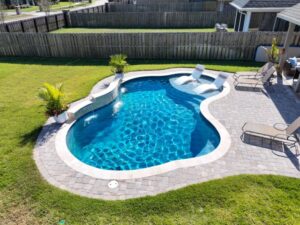
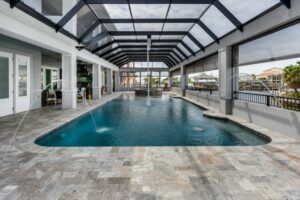
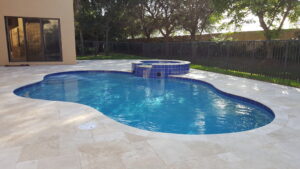
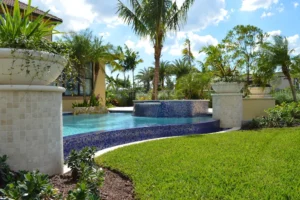
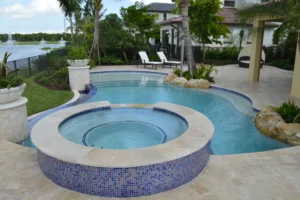
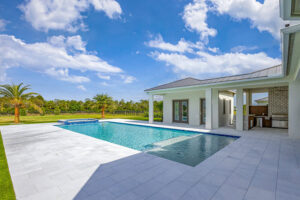
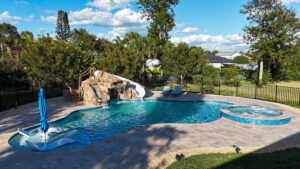
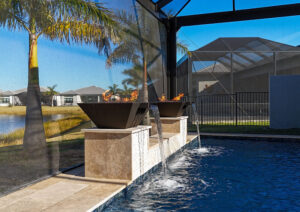
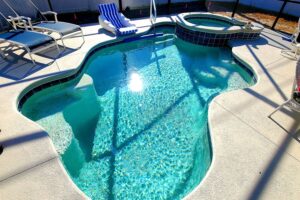
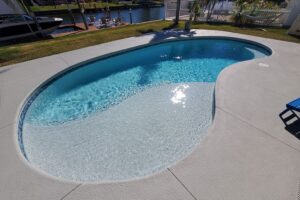
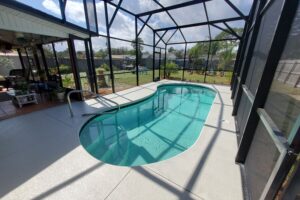
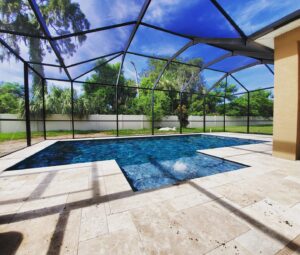
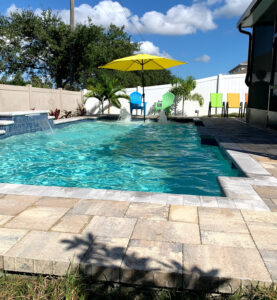
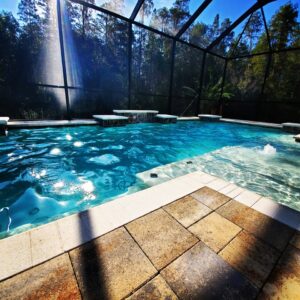
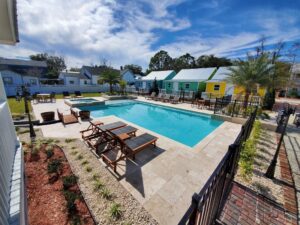

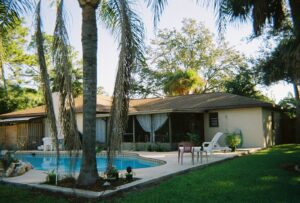
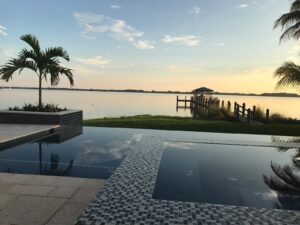
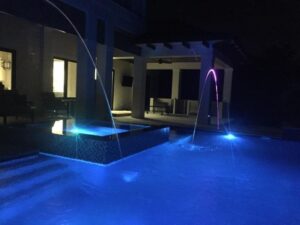
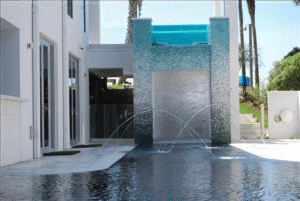
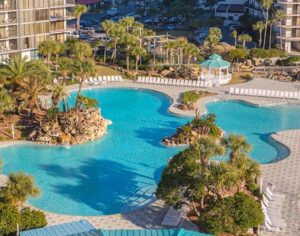
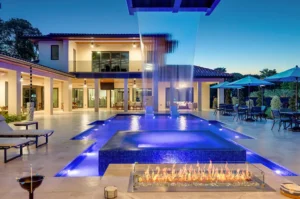
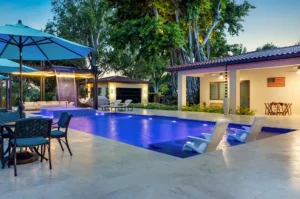
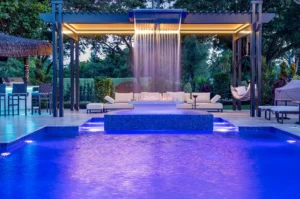
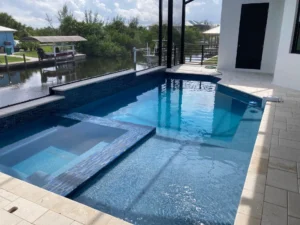
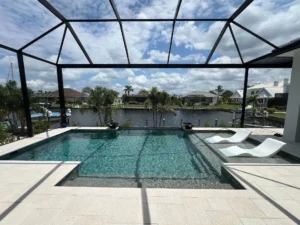
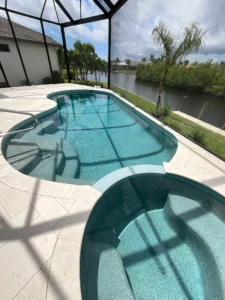
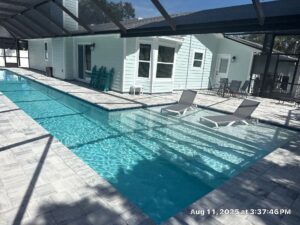
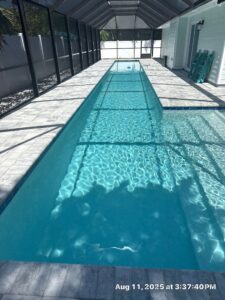
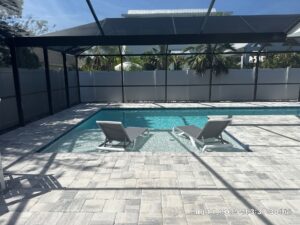
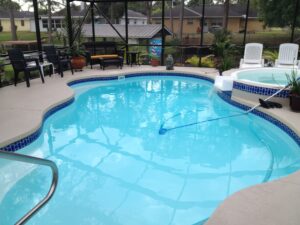
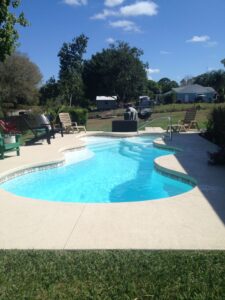
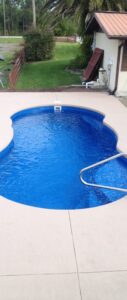
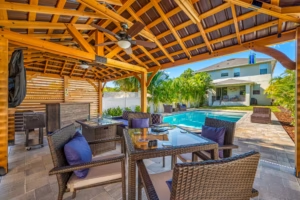
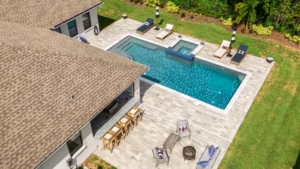
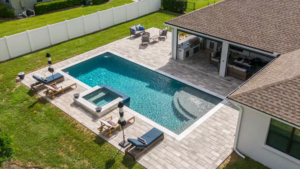
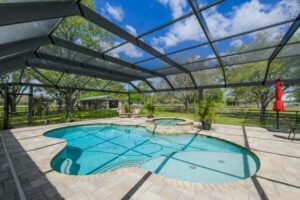
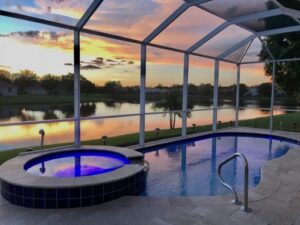
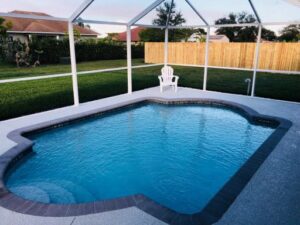
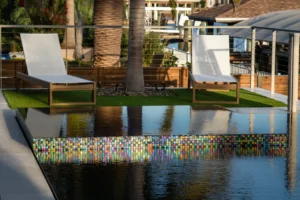

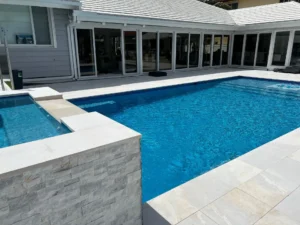
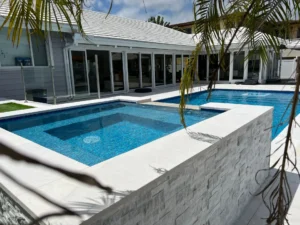
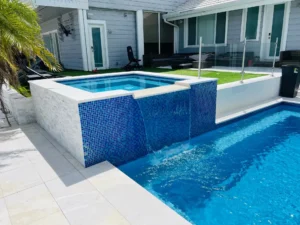
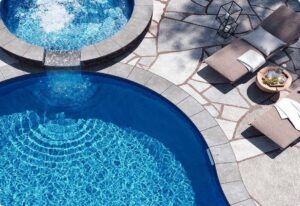
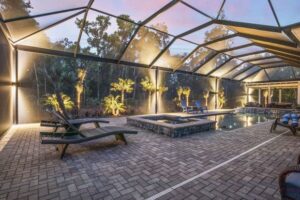
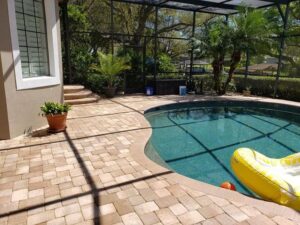
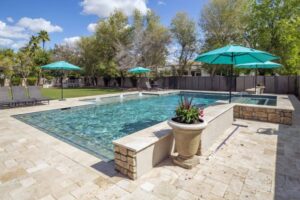
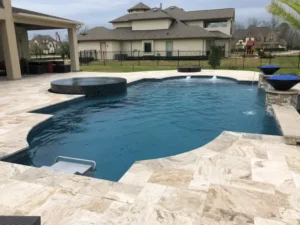
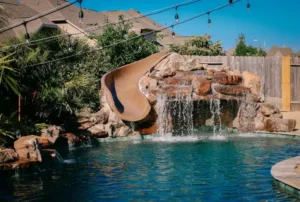
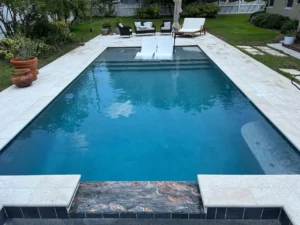
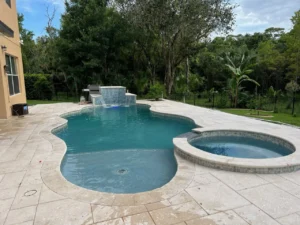
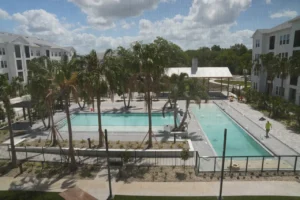
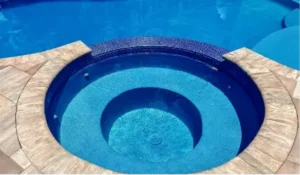
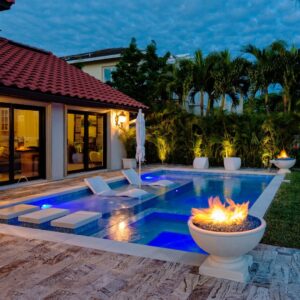
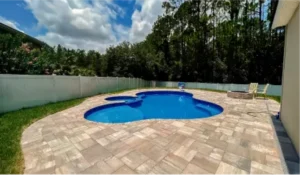
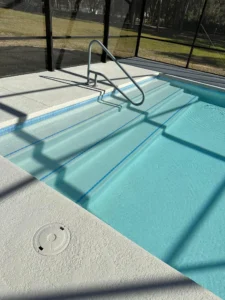
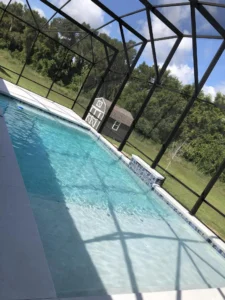
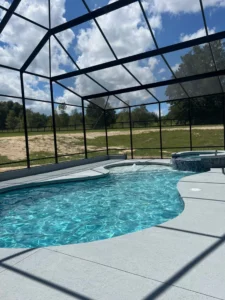
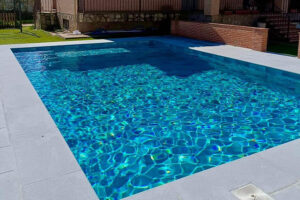
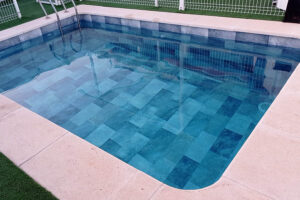
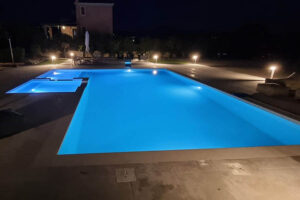
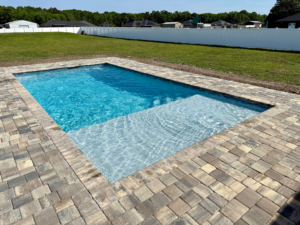
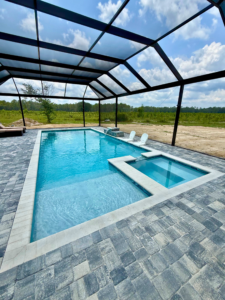
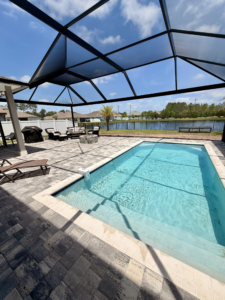
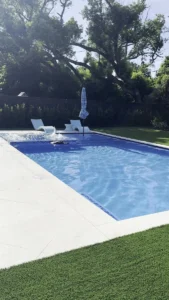
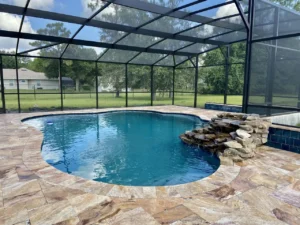
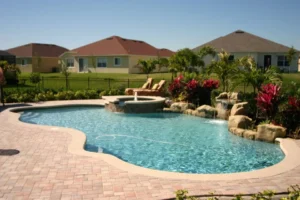
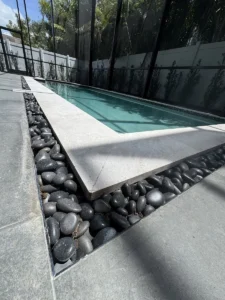
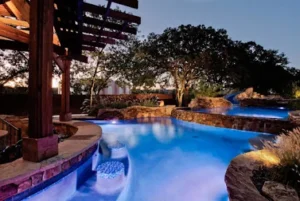
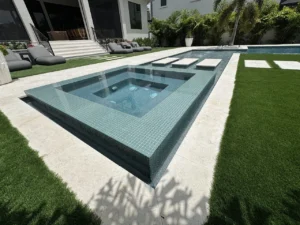
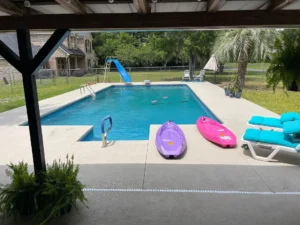
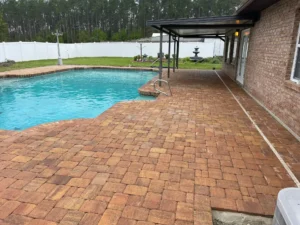
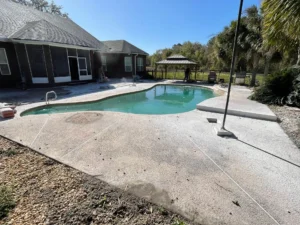
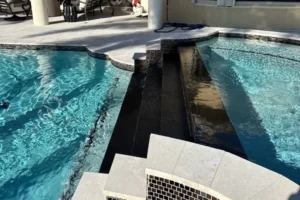
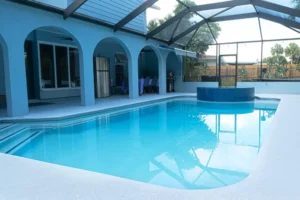
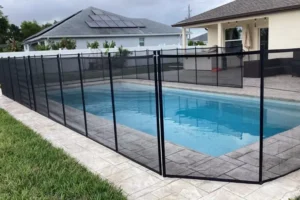
A fiberglass pool is one moulded piece. The shell is laid up in a factory over a mould, cured, gel-coated, loaded onto a lorry and craned into a hole in your garden. Every step, bench, tanning ledge and radius in it existed before anybody visited your house. What arrives is the pool, finished, and the job on site is to make the ground accept it.
That single fact drives everything else on this page. You are not commissioning a shape, you are choosing one from a catalogue and then finding out whether it can physically reach your backyard. In exchange you get the fastest build in the trade and an interior surface that does not need refinishing on a clock.
| The part | Made where | Changed after delivery? |
|---|---|---|
| Shell, steps, benches | Factory mould | No |
| Tanning ledge and depth | Factory mould | No |
| Interior finish | Factory gel coat | No |
| Plumbing and equipment | On site | Yes |
| Coping and waterline tile | On site | Yes |
| Deck, lighting, screen | On site | Yes |
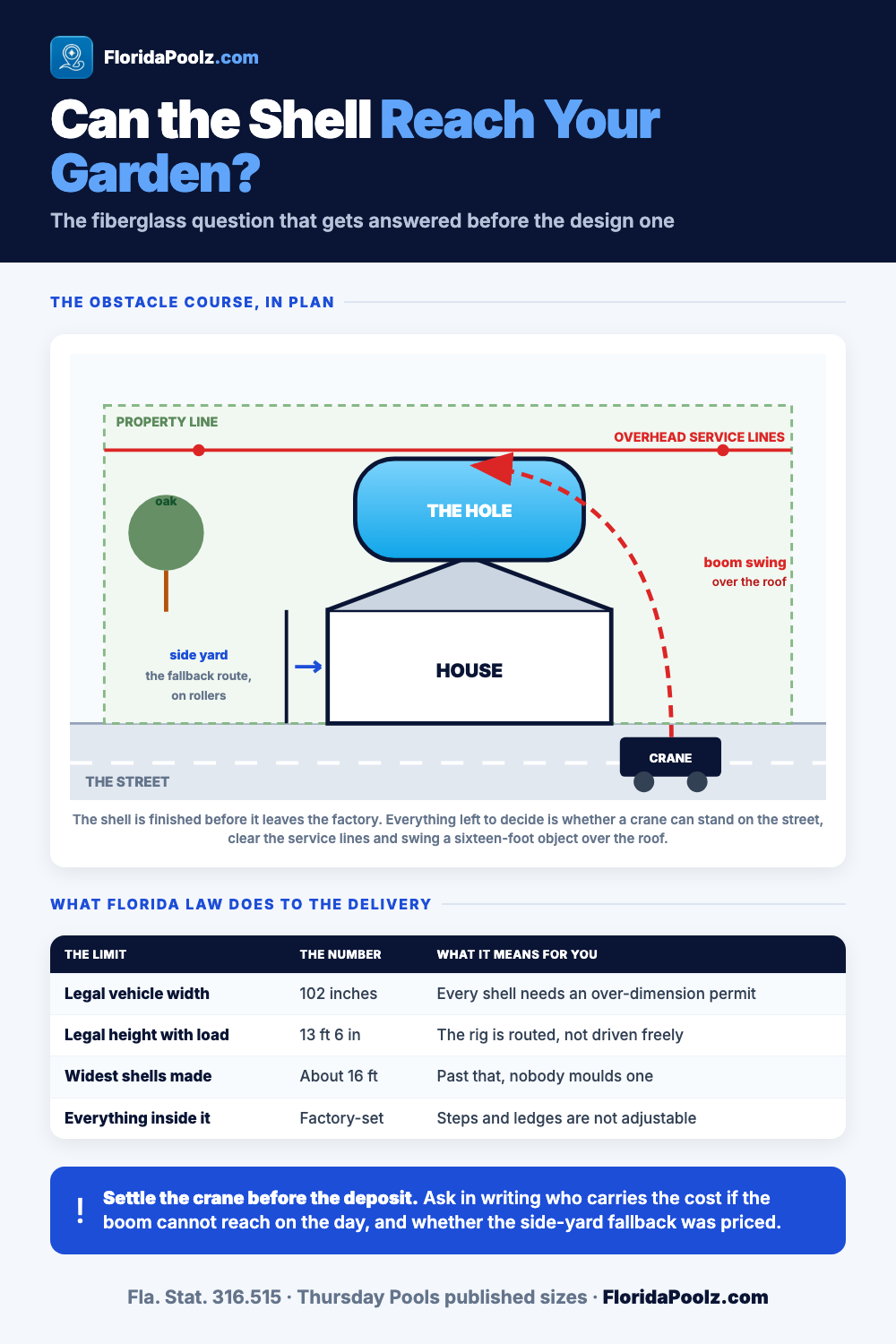
Florida law caps the total outside width of a vehicle and its load at 102 inches, under section 316.515 of the Florida Statutes, with a height ceiling of 13 feet 6 inches. Every fiberglass shell worth having is wider than that, so every one of them travels on an over-dimension permit with a routed path. Manufacturers stop at about sixteen feet across for exactly that reason. Thursday Pools, one of the larger makers, publishes its biggest models at 16 feet wide, and past that the routing stops being worth anyone's trouble.
So the survey happens before the design conversation, not after. What a builder is looking for:
Zero-lot-line subdivisions and the older waterfront streets are where this falls down. A shell that cannot be flown in over the house has to come through the side yard on rollers, and that turns a two-day set into a fortnight, or into a phone call recommending a poured shell instead.
The hole is dug and graded to a bedding layer of gravel or sand before the shell shows up. Once it is set, the clock that matters is the one on the backfill, and this is the part of the job that separates an installer who does this weekly from one who does not.
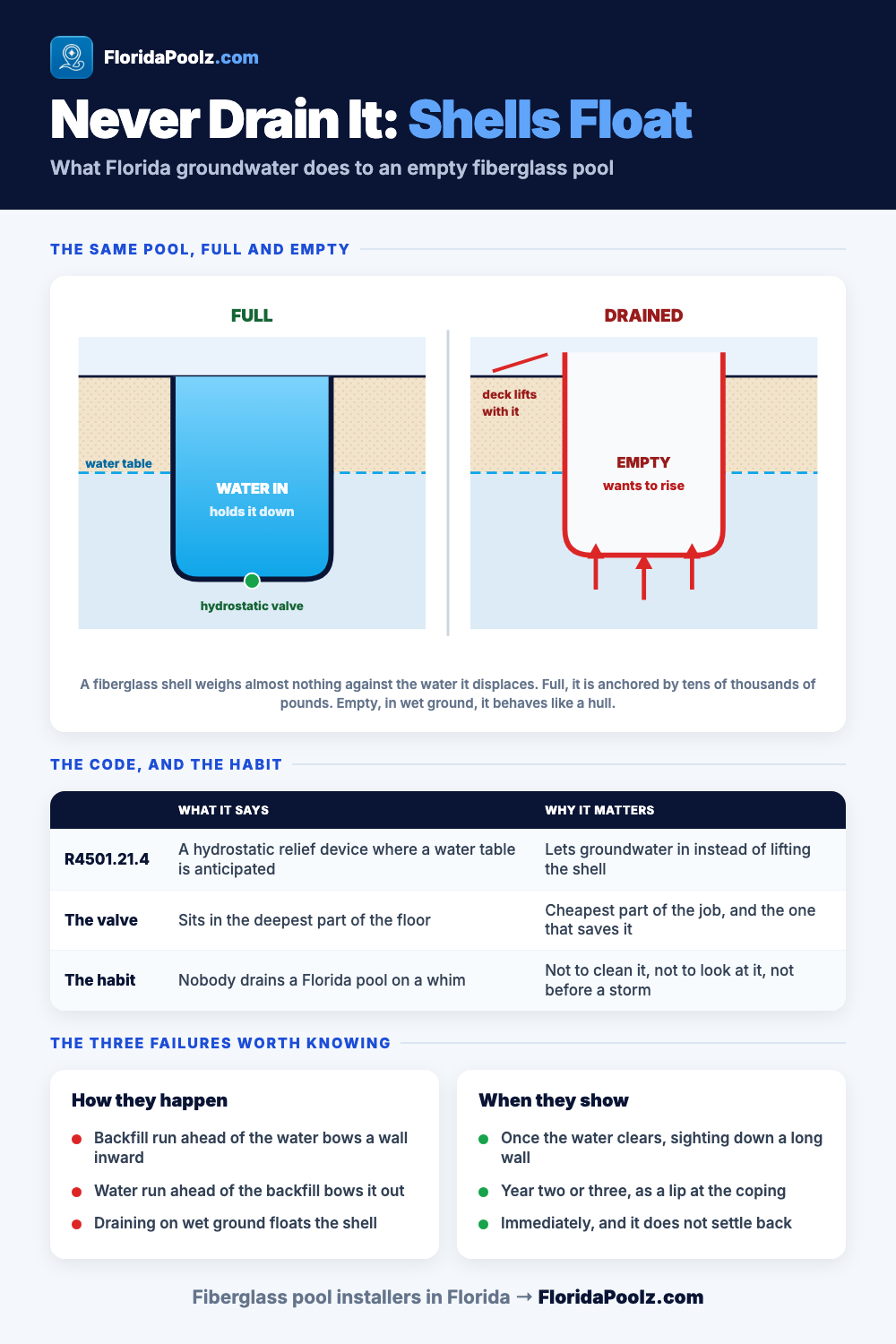
A fiberglass shell is thin and it holds its shape by having equal pressure on both faces. Water goes in as gravel goes around, and the two surfaces are kept close to level with one another the whole way up. Trade guidance puts that gap at nine to twelve inches. Let the backfill run ahead and the wall bows inward. Let the water run ahead and it bows out. On a long straight forty-foot wall there is almost no margin at all, and the damage is permanent by the time anyone notices.
The pool contractor owns the shell and the water. A crane operator turns up for a morning. An electrician bonds the shell and the equipment, and a deck crew arrives later for the surround. Under section 489.105(3) of the Florida Statutes a residential pool/spa contractor covers the build itself, and a commercial pool/spa contractor covers any pool at all.
A fiberglass shell weighs very little relative to the water it displaces, so a Florida water table treats it the way it treats a boat. Full of water, it stays put. Emptied for any reason with wet ground around it, it wants to come up, and it will bring the deck with it.
The building code answers this directly. Under R4501.21.4 of the Florida Residential Code, an approved hydrostatic relief device is required where a water table is anticipated, letting groundwater into the shell rather than lifting it. That valve is the cheapest component on the whole job and the one that saves it.
The practical version, for an owner: nobody drains a fiberglass pool in Florida on a whim. Not to clean it, not to take a look, not in a storm. A pool left full is a pool anchored by tens of thousands of pounds of water, and that is the design intent rather than an accident.
The characteristic failures here are not the ones people expect, and none of them look like a leak on day one.
Bowed walls come from unbalanced backfill and show up as a visible waist in a long straight run, usually once the water is clear enough to sight down. Settlement at the coping comes from backfill that was tipped in rather than compacted in lifts, and it appears in year two or three as a lip you can feel with a bare foot. Spider cracks in the gel coat radiate from a point that took a knock, often the step tread somebody stood a scaffold board on during the deck pour.
The one that ends badly is flotation, and it is nearly always the result of somebody draining the pool. A shell that has lifted does not go back down.
The shell is a catalogue item with a catalogue price, and it is the part of the quote that varies least between builders. Everything that moves the number sits outside it.
Two things are worth pinning down in writing before a deposit. The first is who carries the cost if the crane cannot reach on the day. The second is whether the quoted deck area is the concrete the drawing shows or the concrete the yard actually needs, since a shell dropped into a sloping garden generates retaining work nobody costed.
This is the strongest part of the fiberglass case and it takes years to show up. The gel coat is a hard, non-porous surface. It does not carry the plaster refinishing cycle a poured pool does, it holds less algae in the surface, and a pool finished this way settles at a lower chemical demand than a rough interior does.
What does still cost money: the pump, the filter and the heater are the same equipment on any pool, and they wear on the same clock. Waterline tile can craze. A gel coat that has been allowed to run at low pH for years chalks, and restoring it is a specialist refinish rather than a replaster. None of that arrives on the schedule a plaster interior does, which is the honest version of the sales pitch.
The roster above is every builder profile tracked here that says on its own website that it installs fiberglass pools, counted live. Well over a dozen of them have a fiberglass build in the photographs reviewed for this directory. Those are two different questions and the second is a much smaller number, which is worth knowing before you assume a general pool company has done this recently.
Fiberglass rewards specialisation more than most of the trade. The set is a crane morning and a backfill that cannot be redone, and an installer who does one a fortnight has a different relationship with that afternoon than one who does two a year. A fair question to a shortlist: how many did you set last season, and which manufacturers do you carry?
If the lot rules out a crane, or the shape you want is not in anybody's catalogue, the answer is a poured shell. Gunite pool builders can draw anything, at a longer schedule and with a refinishing clock attached, and concrete pool builders cover the same ground under the other name the trade uses. A spa is available either way, though a moulded one comes as part of the shell rather than as a decision. Most fiberglass owners in this state end up adding a pool screen enclosure and a pool heater, and both are easier to price at the start than to bolt on later.
Supply follows the coasts. Cape Coral, Naples and Jacksonville each carry a deep roster, and Lee County is the densest single county in the state for pool builders of any kind.
The shell is the durable part. A gel-coated fiberglass shell has no plaster to fail and no tile to fall off the walls, so what ages is the surface finish rather than the structure. Two things shorten it, and both are avoidable: water left chemically out of balance for years, which chalks the gel coat, and draining the pool, which is how shells lift and crack. The equipment is a separate clock entirely. Pumps, filters and heaters wear at the same rate they would on any pool in Florida.
They fail in different directions, so the honest answer depends on the lot and the shape. Fiberglass wins on speed, on a surface that never needs replastering, and on a lower chemical demand. Concrete and gunite win when the shape is not in a catalogue, when the garden cannot take a crane, or when the pool has to be larger than the sixteen-foot width a shell can legally travel at. In Florida there is a third consideration: a poured shell does not float, and a fiberglass one drained on wet ground can.
The waterline takes tile and routinely does, bonded to the shell's tile band above the water. The interior below it cannot, and that is the point of the material. The gel coat is the finish, moulded in at the factory, so there is no bond coat to hold tile across the floor and walls the way plaster and a scratch coat do on a poured pool. Anyone who wants a fully tiled interior is describing a gunite build.
The road decides, not the factory. Florida caps the total outside width of a vehicle and its load at 102 inches under section 316.515 of the statutes, with a height limit of 13 feet 6 inches, so every shell moves on an over-dimension permit along a routed path. Manufacturers cap their largest models around sixteen feet wide and past that the routing stops being practical. Thursday Pools, one of the bigger makers, tops out at 16 feet. Length is easier: forty-foot shells are ordinary.
The set is fast and the surround is not. Excavating, bedding, craning the shell in and running the plumbing is a matter of days rather than weeks, and the backfill goes up in step with the water in one continuous operation. What extends the schedule is everything after it: the bond beam, the coping, the deck, the electrical inspection, and a screen enclosure if one is going in, which carries its own engineered permit. Ask for the deck date rather than the water date.
Structural cracking is rare and almost always traceable to one of two events. Unbalanced backfill during installation bows a wall, which shows as a visible waist down a long straight run once the water clears. Draining the pool on wet ground floats the shell, which cracks it on the way up and does not settle back. Spider cracking in the gel coat is a different and more cosmetic thing, usually radiating from a spot that took an impact during the deck work. The building code's answer to flotation is R4501.21.4, which requires a hydrostatic relief device where a water table is anticipated.
Use the roster on this page, then narrow by city. Two questions sort a specialist from a generalist quickly: how many shells they set last season, and which manufacturers they carry, since most installers are tied to one or two moulds rather than the whole market. Worth asking too: who supplies the crane and who carries the cost if it cannot reach on the day, as that is the single most common way a fiberglass job goes sideways before it starts.
Still weighing it up? These are the choices most people compare with Fiberglass Pool Installation in Florida.