
Pool builders by city
Pool builders serving Winter Park. Worth knowing before you call anyone: Winter Park runs its own building department, separate from Orange County. Work down the list, then check the license on the state register.
6 listings here 6 based here
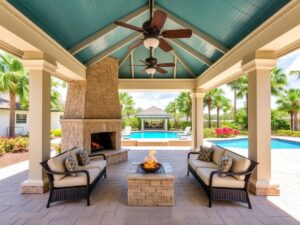
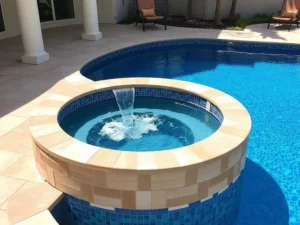
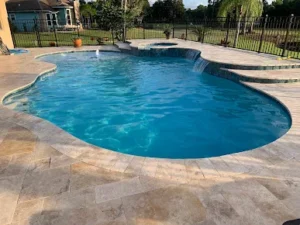
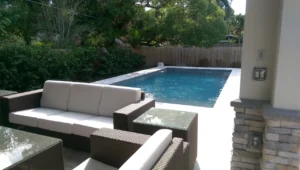
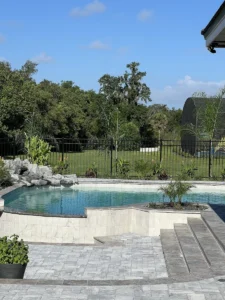
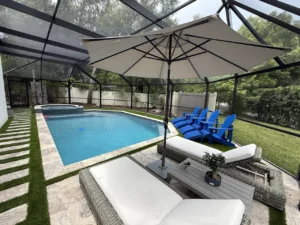
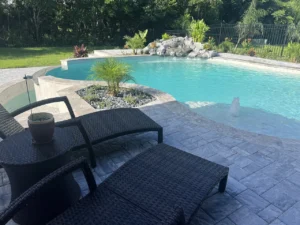
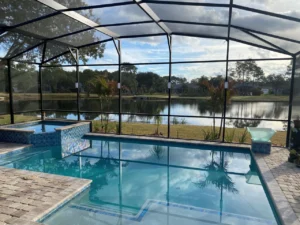
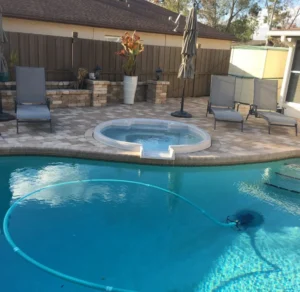
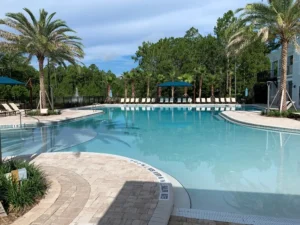
These pool builders are not based in Winter Park and don't emphasize their services here, but they've shown they work here, too — so check them out, too!
Tell us what your dream pool is all about, and where do you want it. We'll do our best to find a professional pool builder for your project.
Winter Park is older, denser, and more designed than the subdivisions ringing it, and a pool project reflects that. Historic districts sit near downtown and Park Avenue, estate lots line the chain of lakes, and a mature oak canopy runs through most of the city. The builder you hire should be fluent in all three, since the right approach on a lakefront estate is not the right approach on a tight in-town historic lot.
Preservation review comes first where it applies. In a Winter Park historic district, exterior work, including a pool, its enclosure, and its barrier fence, goes before the Historic Preservation Board for a certificate of appropriateness before the building permit can move. A contractor who works the city builds that step into the schedule rather than colliding with it after the design is set.
Verify the license before anything else. Florida pool builders are state-certified or state-registered through the Florida DBPR, and the online lookup confirms the license number, status, and any complaints. A residential pool contractor carries a CPC- or RP-prefixed license. Confirm the company's insurance is current and that it, not you, pulls the permit and books the inspections.
Read every proposal for what it leaves out. On the larger lakefront lots the price climbs with pool size, a full screen enclosure, and lakefront site work, and on a small historic lot it climbs with tight-access excavation and preservation-compliant fencing. Ask for references from Winter Park jobs, since the districts and the chain-of-lakes setbacks here are specific to the city.
Confirm the builder pulls the permit in their own name and schedules every city inspection. A contractor who asks you to file an owner-builder permit is shifting liability onto you. Check general liability and workers' compensation coverage, and ask how the crew protects the canopy and the neighboring properties during a dig on a close-set lot.
Winter Park runs its own building office, so a residential pool inside the city is permitted locally rather than through Orange County. An in-ground pool or spa needs a building permit before excavation, issued by the city's Building & Permitting Services department, with applications filed on the city's self-service portal.
Where the property sits in a historic district, the review has two layers. Exterior alterations, additions, and fences or walls need a certificate of appropriateness from the Historic Preservation Board before the building permit proceeds, and a pool with its enclosure and barrier fence qualifies. A local builder files the preservation review and the building permit in the right order so the project does not stall.
The building permit package includes a site plan showing the pool against property lines, the home, and easements, plus engineered structural drawings, the plumbing layout, and the electrical bonding plan. The city reviews it against the Florida Building Code and inspects at set stages: steel and bonding, a plumbing pressure test, the safety barrier, and a final once the deck and enclosure are complete.
Winter Park sits inland, so no coastal construction line applies, and the local layers are the historic districts, the chain-of-lakes shoreline, and the tree canopy. Lakefront lots carry setbacks and drainage rules, low ground near the water can fall in a mapped flood zone, and tree-protection standards shape many footprints. Each screen enclosure takes a separate permit and inspection, and preservation approval where the district requires it.
Winter Park pool consultations tend to split by where the home sits. Owners in the historic districts near Park Avenue lead with the Historic Preservation Board: what needs a certificate of appropriateness, how long the review runs, and whether a pool and its fence clear it. Getting that answer early matters, since the preservation step gates the building permit in those districts.
Lakefront and estate owners ask a different set of questions about shoreline setbacks, the tree canopy, and what a larger pool with a full enclosure runs. Owners on smaller in-town lots want to know whether a pool fits at all once setbacks and the barrier are counted. Cost threads through all of it, driven here by size, enclosures, and preservation-compliant work. Timeline is the other common thread, since the Historic Preservation Board meets on a set calendar and a district project has to plan around those dates. The answers below cover what Winter Park homeowners ask most.
Very likely. In the city's historic districts, exterior alterations, additions, and fences or walls go before the Historic Preservation Board for a certificate of appropriateness before the building permit can proceed. A pool, its enclosure, and its barrier fence all read as exterior work. Build the preservation review into your timeline, since it runs on a set meeting schedule.
The city. Winter Park runs its own Building & Permitting Services department, and pool permits are filed on the city's self-service portal rather than through Orange County. An in-ground pool or spa needs the permit before excavation, and your licensed contractor normally pulls it in their own name and schedules the inspections through the build.
They give room but add rules. Larger lots on the Winter Park chain of lakes support bigger pools and full enclosures, which pushes the total higher. Lakefront setbacks, drainage, and the mature oak canopy all shape the footprint, and low ground near the water can sit in a mapped flood zone. A local builder plans the layout around the trees and the shoreline lines.
Check the Florida DBPR license lookup. A residential pool contractor holds a state license, typically with a CPC or RP prefix, and the record shows its status and any complaints. Confirm the license is active, the general liability and workers' compensation coverage are current, and the contractor pulls the permit in their own name rather than asking you to.
Sometimes it is tight. Older lots close to downtown leave limited room once you account for property-line setbacks, the four-foot barrier, and any historic-district fencing rules. A builder who knows Winter Park will walk the yard and lay out the shell and deck around those constraints, and flag the preservation review early, before drawing final plans.
Yes. Screen enclosures take their own building permit and inspection apart from the pool, and in a historic district the enclosure design may need Historic Preservation Board approval on top. The enclosure has to meet the code for self-closing, self-latching screen doors. Fold it into the original contract so it is priced and reviewed with the pool.
If you didn't find a pool builder for your Winter Park passion project here, check out the neighbours: professional pool builders usually don't mind travelling a few miles to help new customers with the most exciting projects.