
Pool builders by city
Pool builders serving Pensacola. Settle this before design: Pensacola runs its own building department, separate from Escambia County. Begin with the shortlist, then settle the permitting question.
5 listings here 3 based here
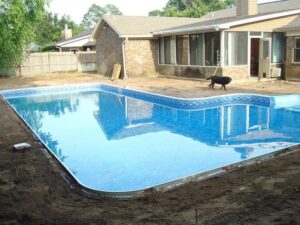
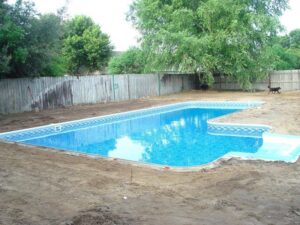
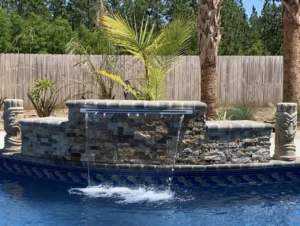
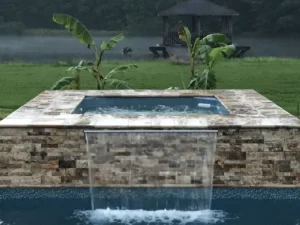
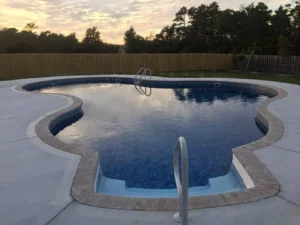


These pool builders are not based in Pensacola and don't emphasize their services here, but they've shown they work here, too — so check them out, too!
Tell us what your dream pool is all about, and where do you want it. We'll do our best to find a professional pool builder for your project.
Pensacola's neighborhoods range from the historic homes of North Hill, Old East Hill, and Seville near downtown to mid-century blocks around Bayou Texar and newer construction toward the city's east edge. If your property sits in one of the designated historic districts, exterior work — a pool, deck, or enclosure visible from the street — may need review by the city's Architectural Review Board before a permit is issued. A builder who works Pensacola knows which streets trigger that step.
Lot size drives a lot of the early decisions here. Older in-town parcels near downtown and the bayou are often narrow, and once you account for property-line setbacks, the four-foot safety barrier, and any mature trees, the room left for a pool is tighter than owners expect. A local contractor walks the yard first and tells you honestly what will fit before drawing plans.
Verify the license before anything else. Florida pool builders are state-certified or state-registered through the Florida DBPR, and the online lookup confirms the license number, its status, and any complaints on record. A residential pool contractor carries a CPC- or RP-prefixed license. Confirm the company's insurance is current and that it, not you, pulls the permit and books the inspections.
Read every proposal for what it leaves out. In Pensacola the gap between two quotes usually traces to the screen enclosure, the safety barrier, and corrosion-rated equipment for the salt air off the bay rather than the pool shell itself. Ask for references from inside the city — ideally a similar lot or a home in the same historic district — since a job on a wide-open suburban parcel tells you little about building in a tight, reviewed downtown yard.
The permitting authority for a Pensacola pool turns on the city line. Homes inside the incorporated City of Pensacola are served by the city's own Building Inspections division, part of the Development Services Department at City Hall on West Main Street. Many properties with a Pensacola mailing address actually sit in unincorporated Escambia County, and those permits go to Escambia County Building Services instead — a quick check of the property appraiser record settles which office applies.
Either way, an in-ground pool or spa needs a building permit before excavation, and the review follows Section 424.2 of the Florida Building Code. The city takes applications through the My Government Online portal, and a permit runs for a set term from the date of issue, so the build has to stay active inside that window. The application carries a site plan, engineered structural drawings, the plumbing layout, and the electrical bonding plan.
Historic-district properties add a step. Pensacola's Architectural Review Board reviews exterior changes in the designated districts, and a pool project that alters a street-facing yard, fence, or structure can need that approval before the building permit moves. A contractor who knows the city confirms the district status early so the review runs in parallel with the permit rather than stalling it.
Waterfront lots bring flood rules into play. Homes along Pensacola Bay, Bayou Texar, and Escambia Bay frequently fall inside a FEMA Special Flood Hazard Area, which adds flood-plain review to the pool permit under the Florida Building Code. Plan on an elevation certificate from a licensed surveyor and raised placement for the pump and heater. The coast here sits in a wind-borne debris region, so a screen enclosure needs engineering for high wind loads.
Two questions open nearly every Pensacola pool consultation: who issues my permit, and does my property fall in a historic district. The permit answer turns on the city line, which catches owners off guard when a Pensacola mailing address sits in unincorporated Escambia and routes through the county instead. Historic-district status surprises people too, since a downtown or North Hill address can carry Architectural Review Board oversight on anything visible from the street.
Waterfront owners raise a third thread. Homes along the bay and Bayou Texar want to know what the flood designation does to elevation, equipment placement, and insurance. Downtown owners on narrow lots ask whether a pool will even fit once the setbacks and the required barrier are counted. The answers below cover what Pensacola homeowners ask most.
It depends on the city line. Properties inside the incorporated City of Pensacola get their permit from the city's Building Inspections division at City Hall. Homes with a Pensacola mailing address that actually sit in unincorporated Escambia are permitted by Escambia County Building Services. Checking the property appraiser record tells you which office applies before you file.
It might. In the designated historic districts u2014 North Hill, Old East Hill, Seville, and others u2014 the city's Architectural Review Board reviews exterior changes visible from the street, which can take in a pool, fence, or enclosure. Your contractor should confirm the district status early so the review runs alongside the building permit rather than holding it up.
Quite possibly. Homes along Pensacola Bay, Bayou Texar, and Escambia Bay often fall inside a FEMA Special Flood Hazard Area. A flood designation adds flood-plain review to the pool permit, calls for a surveyor's elevation certificate, and usually means the pump and heater sit raised. Your builder can pull the flood map for your parcel before design starts.
Sometimes it is tight. Older in-town parcels near downtown and Bayou Texar leave limited room once you count property-line setbacks, the four-foot barrier, and mature trees. A pool builder who knows the city walks the yard and lays out the shell and deck around those constraints before drawing final plans, so you learn what fits early.
Check the Florida DBPR license lookup. A residential pool contractor holds a state license, typically with a CPC or RP prefix, and the record shows its status and any complaints. Confirm the license is active, the insurance is current, and the contractor pulls the permit under their own license rather than asking you to file as owner-builder.
Yes. Each screen enclosure takes its own building permit and inspection, apart from the pool. On the Pensacola coast, which sits in a wind-borne debris region, the enclosure framing has to be engineered for high wind loads. Build it into the original contract so it is priced with the pool rather than tacked on afterward.
If you didn't find a pool builder for your Pensacola passion project here, check out the neighbours: professional pool builders usually don't mind travelling a few miles to help new customers with the most exciting projects.