
Pool builders by county
Pool builders serving Escambia County. Before you shortlist: Escambia County reviews unincorporated work through MyGovernmentOnline, and the City of Pensacola permits its own. Start with the shortlist, then check which office has your address.
6 listings here 5 based here
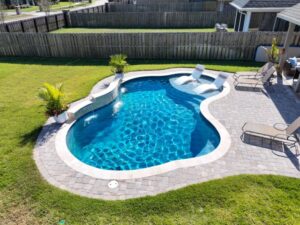
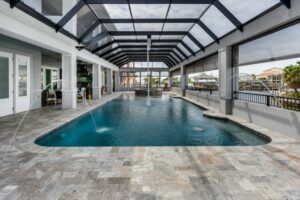
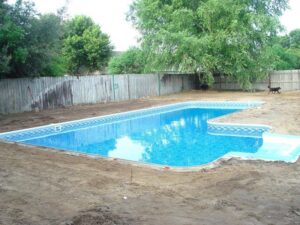
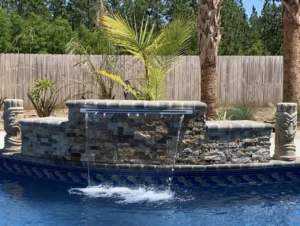
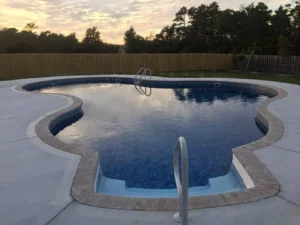

These pool builders are not based in Escambia County and don't emphasize their services here, but they've shown they work here, too — so check them out, too!
Tell us what your dream pool is all about, and where do you want it. We'll do our best to find a professional pool builder for your project.
Escambia County runs from the barrier-island beaches at Perdido Key and the Gulf-front stretches south of Pensacola up through the older neighborhoods of the city and out to rural land around Molino and Century. A contractor who builds clean pools on a tight downtown lot may have never engineered a deck for a coastal flood zone or a wind-exposed beach parcel, so match the builder to the kind of site you own.
Start with the license. Florida requires a state-certified or state-registered pool and spa contractor, and you can confirm any company's standing through the Florida Department of Business and Professional Regulation. DBPR's license lookup shows the license number, its status, and any discipline on record. A residential pool contractor holds a CPC- or RP-prefixed license; a general handyman does not qualify to build an in-ground pool here.
Ask how the contractor handles the county's coastal conditions. Salt air off the Gulf corrodes pool equipment and metal fittings faster than it does inland, so the hardware, fencing, and enclosure framing spec matters here. On barrier-island and bay-front lots inside a FEMA flood zone, deck elevation, equipment placement, and the permit paperwork all shift before a shovel goes in the ground.
Get three written proposals and read the scope, not the bottom line. A quote that leaves out the screen enclosure, the safety barrier, or the electrical bonding looks cheaper up front and costs more once the missing work is added back. Screen enclosures are common across Escambia for keeping out insects and Gulf debris, and each one carries its own permit and, in this wind-exposed county, engineered framing.
Confirm the builder pulls the permit under their own license and books every inspection. A contractor who asks the homeowner to file an owner-builder permit is shifting liability onto you. Check that general liability and workers' compensation coverage are current, and ask for references on the same kind of lot you own — a beach job and a north-county job on well and septic are different animals.
A residential in-ground pool or spa in unincorporated Escambia County needs a building permit before excavation begins. Permits are issued by Escambia County Building Services, and applications run through the MyGovernmentOnline portal or the department's permit desk. The county reviews private pools under Section 424.2 of the Florida Building Code, the residential pool standard used statewide.
The permit package includes a site plan showing the pool against property lines, easements, and the home, plus engineered structural drawings, the plumbing layout, and the electrical bonding plan. A recorded Notice of Commencement is required once a project's value passes five thousand dollars. Inspections follow set stages — steel and bonding before the shell is poured, plumbing pressure tests, the safety barrier, and a final after the deck and enclosure are complete.
Wind rules carry real weight in the Panhandle. Escambia sits in a wind-borne debris region, where the code sets design wind speeds near 140 mph along the coast, so screen enclosures and any pool-related structures need engineering for those loads. The county is not a High-Velocity Hurricane Zone — that designation covers only Miami-Dade and Broward — yet the wind standard here ranks among the highest in Florida.
Coastal and low-lying Escambia adds a flood layer. Barrier-island, bay-front, and bayou lots frequently fall inside a FEMA Special Flood Hazard Area, and building in one triggers flood-plain review through the county; Gulf-front parcels can sit seaward of the state's Florida DEP coastal construction control line. Expect an elevation certificate from a licensed surveyor and raised placement for the pump and heater so the equipment survives a storm surge. On rural north-county lots served by a private well and septic system, the pool and equipment pad keep documented setbacks from the drainfield.
Homeowners across Escambia tend to show up with the same short list of concerns, and they sort by where in the county the house sits. Owners near the water at Perdido Key, Pensacola Beach, or along the bay ask first about flood zones, elevation, and what a pool does to their insurance. Buyers on the wind-exposed coast want to know whether a screen enclosure will stand up to a storm and what the engineering adds.
The other running theme is cost creep. People have heard that the number on the contract rarely matches the final invoice, and they want to know what pushes it up in this county. Here the usual culprits are the engineered screen enclosure, the safety barrier, corrosion-rated equipment for the salt air, and flood-zone site work — line items a thin quote leaves out and a complete one spells out. The questions below come up most often on Escambia projects.
Yes. An in-ground pool or spa in unincorporated Escambia needs a building permit from Escambia County Building Services before excavation. The county reviews private pools under Section 424.2 of the Florida Building Code, and the application runs through the MyGovernmentOnline portal with a site plan, structural and plumbing drawings, and the bonding plan. Your licensed contractor normally pulls it.
Often, yes. Barrier-island, bay-front, and bayou lots across Escambia frequently fall inside a FEMA Special Flood Hazard Area, which adds flood-plain review to the permit. Plan on an elevation certificate from a licensed surveyor and raised placement for the pump and heater, and expect the flood designation to factor into your homeowner's insurance.
Yes. Escambia sits in a wind-borne debris region, with design wind speeds near 140 mph along the coast — among the highest in Florida outside the Miami-Dade and Broward hurricane zone. A screen enclosure and any pool-related structure need engineering for those loads, one reason enclosures cost more here than in calmer inland counties.
Look the company up on the Florida DBPR license portal. A qualified residential pool contractor carries a state license, usually with a CPC or RP prefix, and the record shows if it is active and clear of discipline. A general contractor's license alone does not cover in-ground pool construction in Florida.
Yes. On rural north-county lots served by a private well and septic system, the pool, deck, and equipment pad keep documented setbacks from the drainfield and the well. That can limit placement on a tight parcel, so a builder who works the northern side of the county lays out the site around those setbacks before finalizing the design.
Yes. Screen enclosures are common on Escambia pools for keeping out insects and Gulf debris, and each one needs its own building permit and inspection, separate from the pool shell. In this wind-borne debris region the framing has to be engineered for high wind loads. Fold it into the original contract so it is not billed as a costly add-on later.
If you didn't find a pool builder for your Escambia County passion project here, check out the neighbours: professional pool builders usually don't mind travelling a few miles to help new customers with the most exciting projects.