
Pool builders by county
Pool builders serving Pasco County. One thing to settle first: the Pasco county department covers unincorporated land through its Accela portal, with New Port Richey, Port Richey, Dade City and Zephyrhills outside it. The builders are below. Confirm jurisdiction before anyone draws.
9 listings here 8 based here
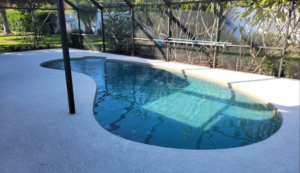






Tell us what your dream pool is all about, and where do you want it. We'll do our best to find a professional pool builder for your project.
Pasco stretches from the Gulf beaches at Hudson and New Port Richey across ranch land in the east to the master-planned subdivisions of Wesley Chapel and Land O' Lakes. A builder who does clean work on a Trinity HOA lot may have never pulled a permit for a coastal flood-zone property near the Cotee River, so match the contractor to the kind of site you own.
Start with the license. Florida requires a state-certified or state-registered pool and spa contractor, and you can confirm any company's standing through the Florida Department of Business and Professional Regulation. DBPR's license lookup shows the license number, its status, and any discipline on record. A residential pool contractor holds a CPC- or RP-prefixed license; a general handyman does not qualify to build an in-ground pool here.
Ask how the contractor handles Pasco's site conditions. Along the Gulf and the tidal rivers, large sections of the county fall inside FEMA Special Flood Hazard Areas, which changes deck elevation, equipment placement, and the paperwork the county wants before it issues a permit. On rural eastern lots served by a private well and septic system, the pool and its equipment pad have to keep documented setbacks from the drainfield.
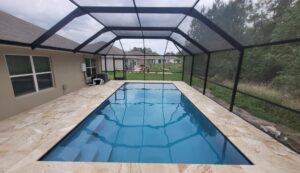
Get at least three written proposals and read the scope, not the bottom line. A quote that leaves out the screen enclosure, the barrier fence, or the electrical bonding looks cheaper up front and costs more once the missing work is added back. Screen enclosures are near-standard in Pasco for keeping out mosquitoes and pool debris, and each one carries its own permit and its own inspection.
Confirm the builder pulls the permit in their own name and schedules every county inspection. A contractor who asks the homeowner to pull an owner-builder permit is shifting liability onto you. Check that general liability and workers' compensation coverage are current, and ask for references in your own corner of the county rather than a name from twenty miles away.
A residential in-ground pool or spa in unincorporated Pasco County needs a building permit before any excavation starts. Permits are issued by Pasco County Building Construction Services, based in New Port Richey, and applications run through the county's online PascoGateway portal. Any in-ground pool, and any spa or above-ground pool deeper than 24 inches, falls under the permit requirement.
The permit package includes a site plan showing the pool relative to property lines, the home, and any easements, plus engineered structural drawings, the plumbing layout, and the electrical bonding plan. Pasco reviews the submittal against the Florida Building Code and schedules inspections at set stages — steel and bonding before the shell is poured, plumbing pressure tests, the safety barrier, and a final once the deck and enclosure are complete.
Coastal and riverfront Pasco adds a flood layer. Much of the county near the Gulf, the Pithlachascotee, the Anclote, and the Withlacoochee sits inside a FEMA Special Flood Hazard Area, and building in one triggers extra flood-zone review. Expect an elevation certificate from a licensed surveyor and raised placement for the pump and heater so the equipment survives a storm surge.
Homeowners across Pasco tend to arrive with the same short list of worries, and the worries cluster by where in the county they live. Coastal owners near New Port Richey and Hudson ask about flood zones and what a pool does to their insurance. Buyers in the newer Wesley Chapel and Land O' Lakes subdivisions ask about HOA approval and how long the whole build takes.
The other recurring theme is cost creep. People have heard that the sticker number on a pool rarely matches the final invoice, and they want to know what pushes it up here. In Pasco the usual culprits are the screen enclosure, the barrier fence, and flood-zone site work — line items that a thin quote leaves out and a complete one spells out. The questions below are the ones that surface most often on Pasco projects.
Yes. Any in-ground pool or spa in unincorporated Pasco needs a building permit from Pasco County Building Construction Services before excavation. The application runs through the PascoGateway portal and includes a site plan, structural and plumbing drawings, and the electrical bonding plan. Your licensed contractor normally pulls the permit in their own name.
Often, yes. Large parts of coastal and riverfront Pasco fall inside a FEMA Special Flood Hazard Area, which adds flood-zone review to the permit. Plan on an elevation certificate from a licensed surveyor and raised placement for the pump and heater, and expect the flood designation to factor into your homeowner's insurance.
Look the company up on the Florida DBPR license portal. A qualified residential pool contractor carries a state license, usually with a CPC or RP prefix, and the record shows if it is active and clear of discipline. A general contractor's license alone does not cover in-ground pool construction in Florida.
Yes. Screen enclosures are common on Pasco pools for keeping out debris and mosquitoes, and each one needs its own building permit and inspection, separate from the pool shell. The enclosure has to meet the code for self-closing, self-latching screen doors. Fold it into the original contract so it is not billed as a costly add-on later.
Yes. On lots served by a private well and septic system, the pool, deck, and equipment pad have to keep documented setbacks from the drainfield and the well. That can limit placement on a tight parcel, so a builder who works the eastern side of the county will lay out the site around those setbacks before finalizing the design.
Plan for weeks, not days. Review timelines shift with county workload and how complete the submittal is, and a flood-zone or HOA property adds steps. A clean, engineered application clears faster than one the county has to send back for corrections. Your contractor should give you a current estimate when they file through PascoGateway.
If you didn't find a pool builder for your Pasco County passion project here, check out the neighbours: professional pool builders usually don't mind travelling a few miles to help new customers with the most exciting projects.