
Pool builders by county
Pool builders serving Collier County. Worth checking early: Naples, Marco Island and Everglades City each permit separately from Collier County itself. Take the shortlist first and the paperwork second.
23 listings here 23 based here
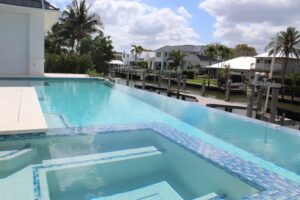
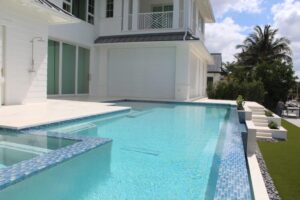
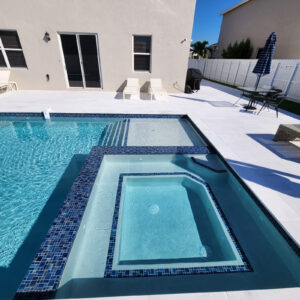
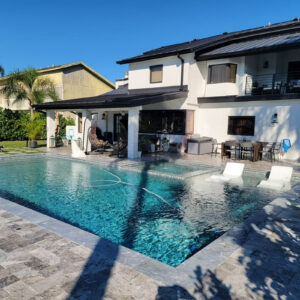
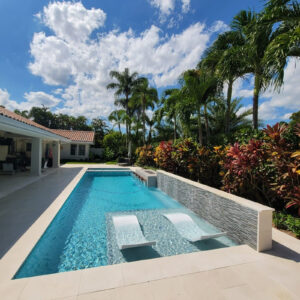
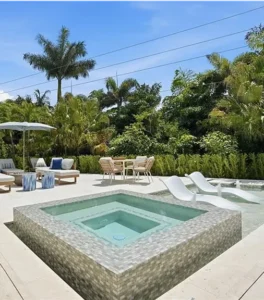
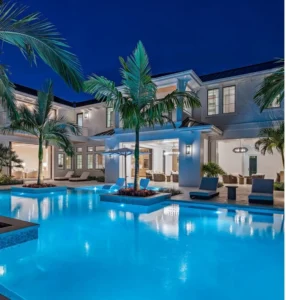
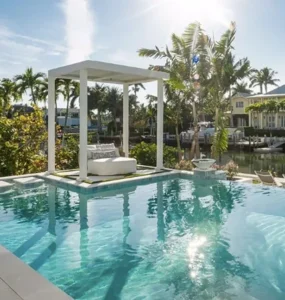
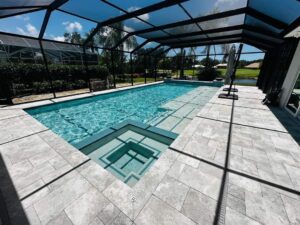
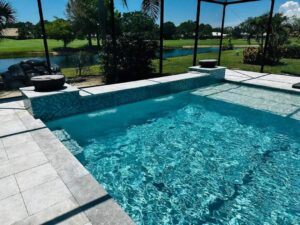
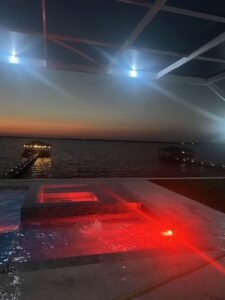
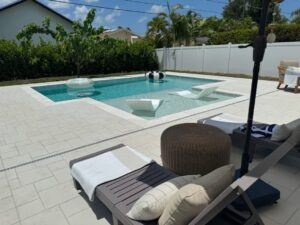
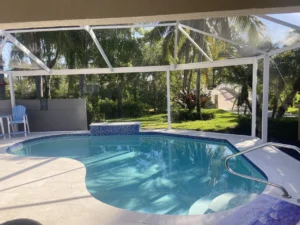
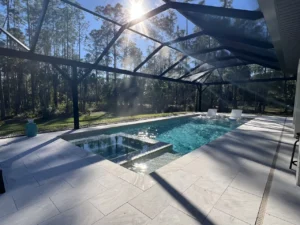
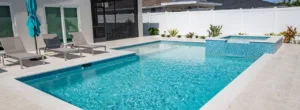
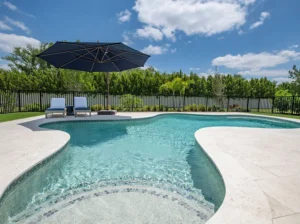
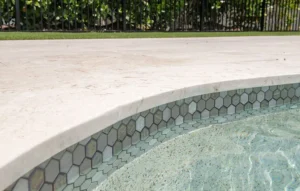
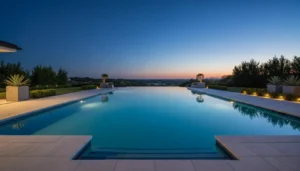
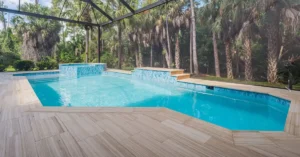
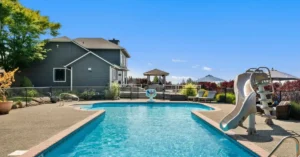
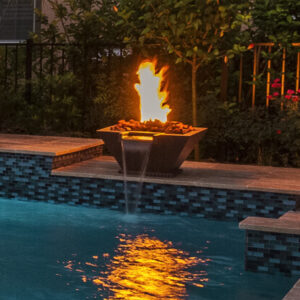
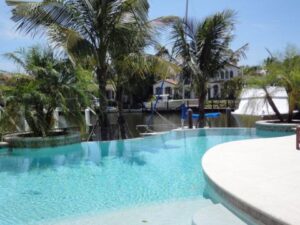
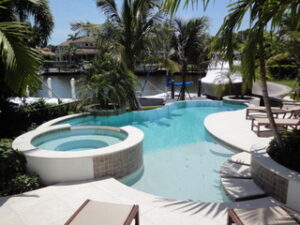
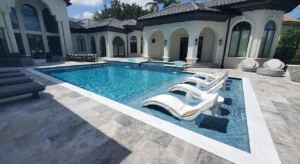
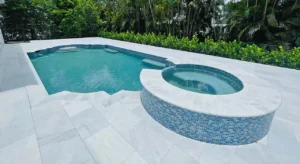
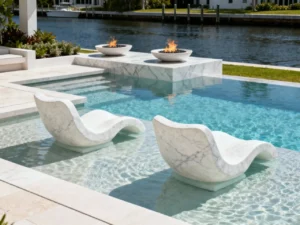
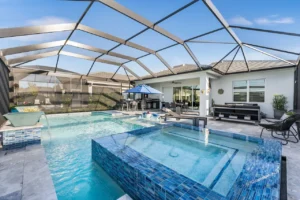
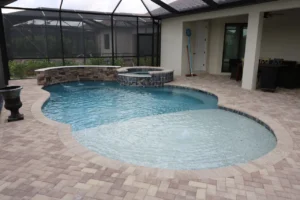
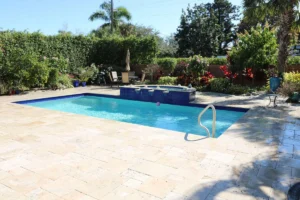

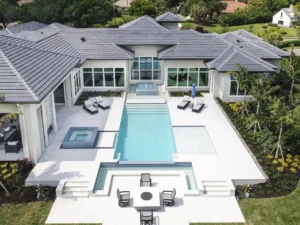
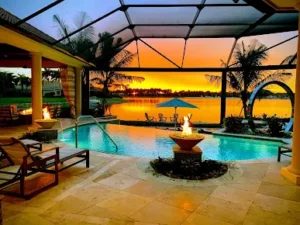
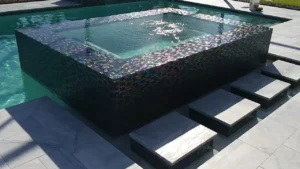


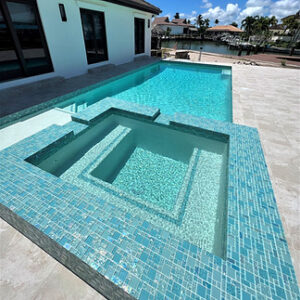




These pool builders are not based in Collier County and don't emphasize their services here, but they've shown they work here, too — so check them out, too!
Tell us what your dream pool is all about, and where do you want it. We'll do our best to find a professional pool builder for your project.
Pool projects in Collier County skew toward the ambitious end: custom shapes, raised spas, infinity edges facing the Gulf, and screen enclosures that turn a lanai into a second living room. Hiring here starts with a builder who works at that scale and knows the county's coastal quirks.
Confirm the license before anything else. Florida pool builders hold a state Certified Pool/Spa Contractor credential, and you can check the number, status, and any complaints on the Florida DBPR site. A local address and a logo on the truck prove nothing on their own.
Ask how many pools the company has finished in Naples, Marco Island, and the estate communities inland. A contractor who regularly pulls permits through Collier's CityView portal moves faster and rarely gets tripped up by setback measurements or screen-cage tie-ins. Waterfront and near-beach lots add another layer: high water table, seawall proximity, and coastal setback lines all change how a shell gets engineered.
Get line-item quotes from a few builders and read what each one covers. Screen enclosures, travertine decking, pumps, heaters, and salt systems belong on the estimate, not in a surprise change order. Collier jobs run higher than the state norm, and the gap usually traces to cage size and finish choices rather than the pool shell itself.
Talk to recent clients with projects like yours. Photos of a finished infinity edge tell you more than a showroom. A builder proud of local work will hand over addresses and let you see how the deck and enclosure held up after a couple of storm seasons.
Residential in-ground pools in Collier County need a building permit before excavation begins. Applications go through the Growth Management Department's Building Plan Review and Inspection Division under the pool permit type known locally as PRSPL, submitted online through the county's CityView portal. Plan sets must show the pool shell dimensions and the setback distances from both the shell and any screen enclosure to the property lines.
Every residential pool falls under the Florida Residential Swimming Pool Safety Act. The statute (Chapter 515, Florida Statutes) sets a barrier standing at least four feet high on the outside, with no gaps a small child could slip through. Gates have to open away from the pool and be self-closing with a self-latching release. The act's Section 515.27 lets owners satisfy the law with at least one approved feature — a code-compliant barrier, an ASTM-rated safety cover, exit alarms on doors reaching the pool, or a self-closing device mounted high on those doors.
Construction follows the Florida Building Code, and inspectors sign off in stages: layout and steel, electrical bonding of the shell and equipment, deck and plumbing, then a final that verifies the safety barrier is in place. The pool cannot be filled and used until that final passes.
Coastal lots carry extra rules. Building seaward of the state Coastal Construction Control Line calls for a permit from the Florida Department of Environmental Protection, and near-beach parcels around Naples and Marco Island may need a county coastal setback permit on top of the standard building permit. Much of coastal Collier sits in FEMA flood zones, so deck elevations and equipment placement get reviewed against flood requirements.
One more check protects both your money and the permit itself: the contractor's state license. Collier issues pool permits to qualified Certified Pool/Spa Contractors, and you can confirm a builder's standing on the Florida DBPR license portal before signing.
The questions Collier homeowners bring to a pool build cluster around a few themes: cost on higher-end lots, timelines through county review, screen enclosures, and what the coast adds to a project. Naples and Marco Island buyers in particular want to know how waterfront rules and flood zones shape the design before they commit.
Others are practical and year-round. Heating and salt systems come up often, since a Collier pool gets used most months of the year. So does upkeep on a large enclosed pool, and how storm season affects an outdoor build and its screen cage. The answers below reflect what local builders field most weeks, from first-time owners in a new inland community to buyers redoing an aging Gulf-front deck.
None of it should feel opaque once you know how the county handles permits and where the coastal steps apply. The short version: a licensed builder who knows Collier's process will walk you through each of these before the first inspection.
Yes. Every residential in-ground pool needs a building permit from the Growth Management Department before excavation. The application runs online through the county's CityView portal under the PRSPL pool permit type, and the plans must show setbacks from the pool shell and screen enclosure to your property lines.
Often, yes. Parcels seaward of the state Coastal Construction Control Line need a permit from Florida DEP, and some near-beach lots require a county coastal setback permit on top of the building permit. Coastal Collier also sits largely in FEMA flood zones, so deck height and equipment placement get reviewed against flood rules.
Look up the company's Certified Pool/Spa Contractor number on the Florida DBPR license portal. The record shows license status, the qualifying agent, and any past complaints. Collier issues pool permits only to properly licensed contractors, so an unlicensed builder cannot legally pull your permit.
The gap usually comes from scale and finish rather than the pool itself. Naples-area builds lean toward larger shapes, raised spas, screen enclosures, travertine decking, and heaters or salt systems. Coastal engineering for high water tables and flood zones adds to it on waterfront lots.
Collier inspectors check the work in stages: layout and steel, electrical bonding, deck and plumbing, and a final inspection. The final confirms the safety barrier is installed and compliant before the pool can be filled and used. Skipping or failing a stage stalls the whole project.
The screen cage is typically permitted alongside or shortly after the pool, and it has its own setback and structural requirements under the Florida Building Code. Your builder usually handles both through the same Growth Management review, but confirm the enclosure is on the plans so the final inspection covers it.
If you didn't find a pool builder for your Collier County passion project here, check out the neighbours: professional pool builders usually don't mind travelling a few miles to help new customers with the most exciting projects.