
Miami-Dade County
Captain Harry’s Hi Tech Pools, Inc.
8.2
FloridaPoolz Score
DBPR verified
Since 2013
Pool builders by county
Pool builders serving Miami-Dade County. One thing to settle first: Miami-Dade sits in the High-Velocity Hurricane Zone, and Miami Beach, Coral Gables and Hialeah run departments independent of the county. Work the shortlist first, then confirm the reviewing department.
36 listings here 34 based here
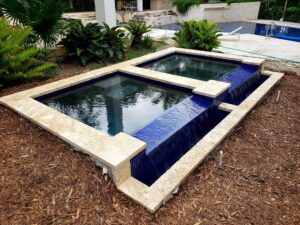
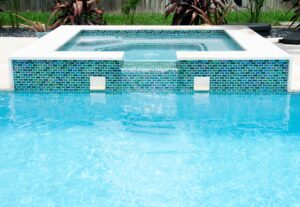
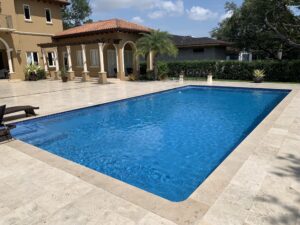
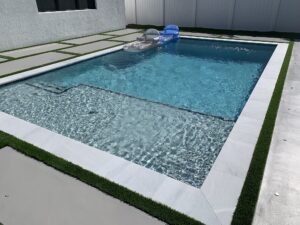
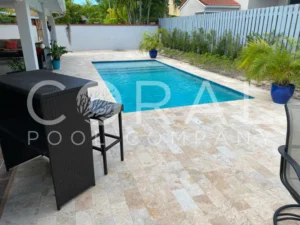
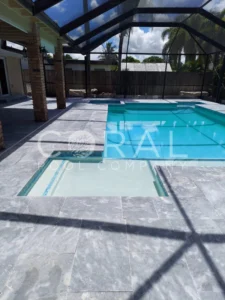
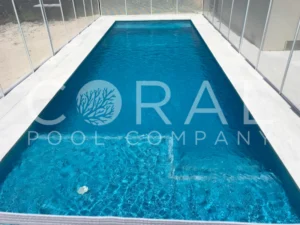
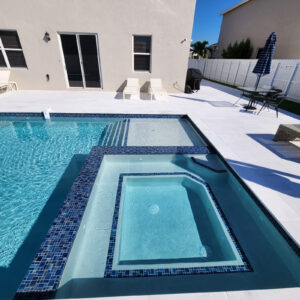
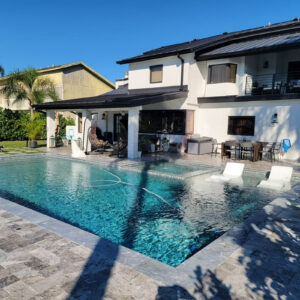
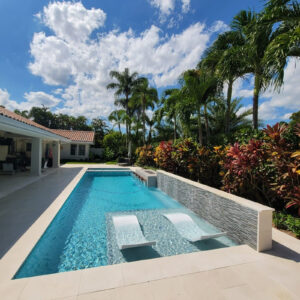
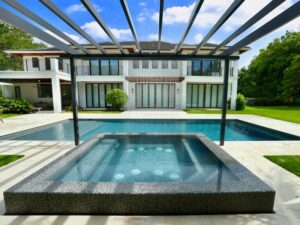
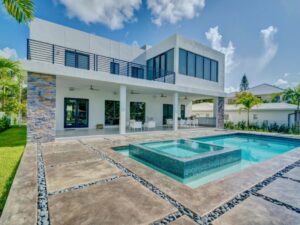
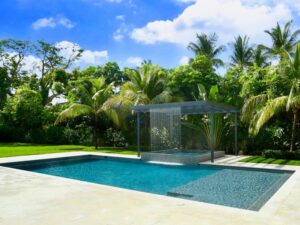
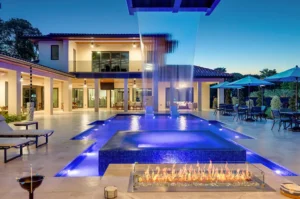
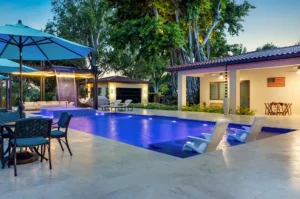
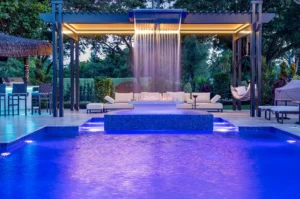
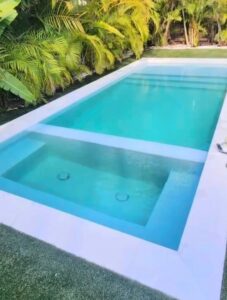
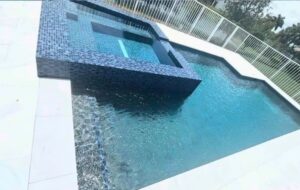
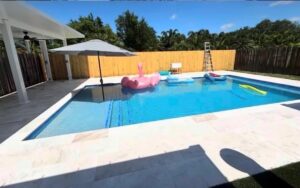
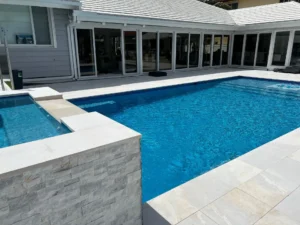
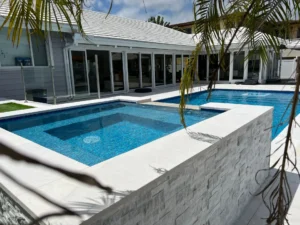
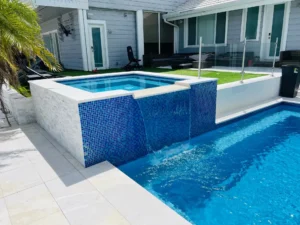
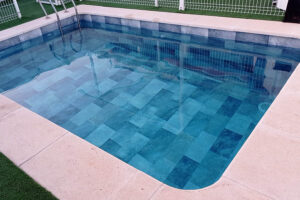
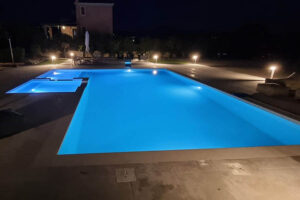
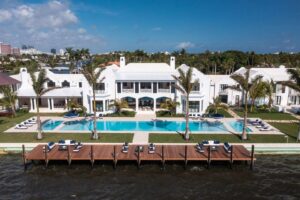
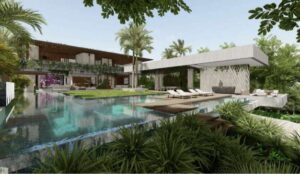
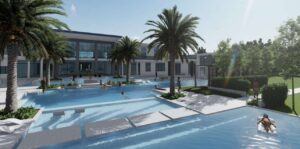
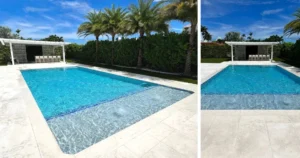
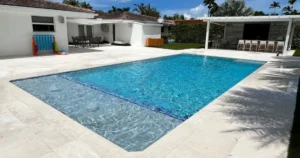
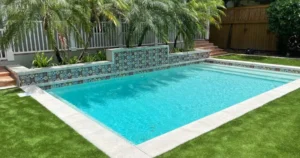
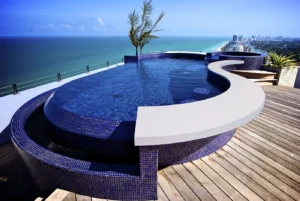

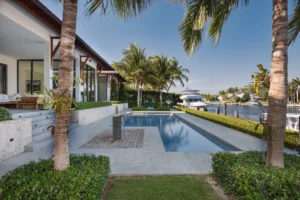
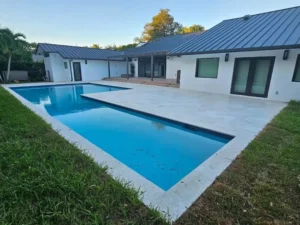
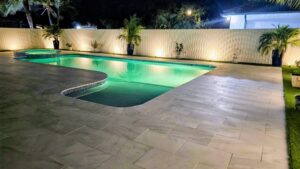
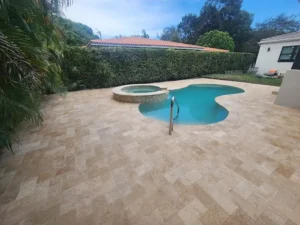
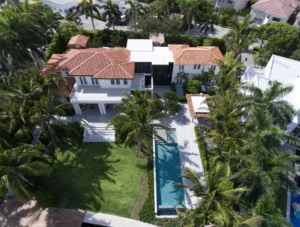
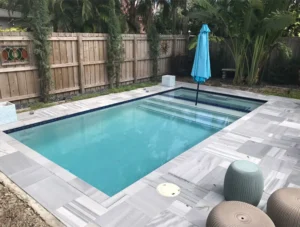
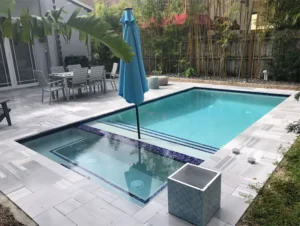

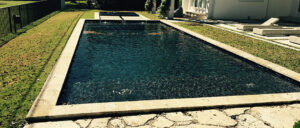
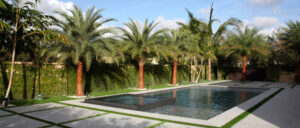
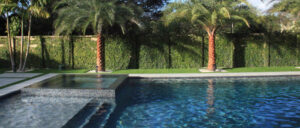
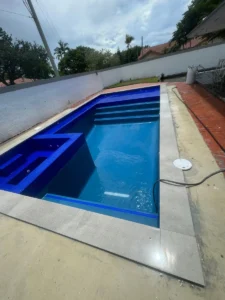
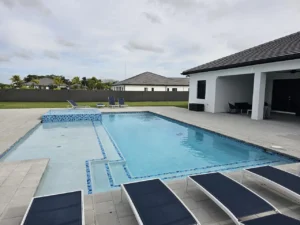
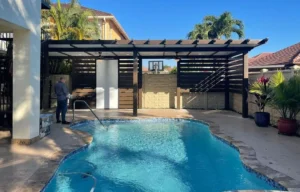



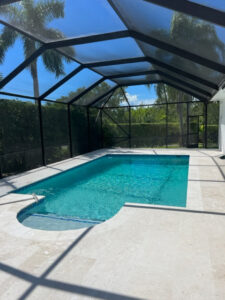
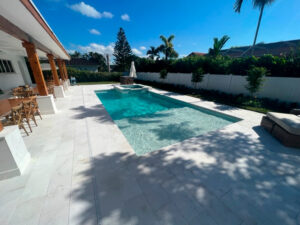
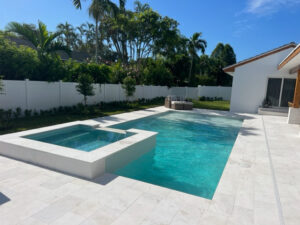









These pool builders are not based in Miami-Dade County and don't emphasize their services here, but they've shown they work here, too — so check them out, too!
Tell us what your dream pool is all about, and where do you want it. We'll do our best to find a professional pool builder for your project.
Miami-Dade runs from the farmland around Homestead and the Redland up through dense urban neighborhoods to the barrier-island homes on Key Biscayne and the beaches, so the right pool contractor for one part of the county can be the wrong fit for another. The builder you hire should know the wind-load rules that govern outdoor structures here and should have a track record on sites like yours.
Start with the license. Florida requires a state-certified or state-registered pool and spa contractor, and you can confirm any company's standing through the Florida Department of Business and Professional Regulation. A residential pool contractor holds a CPC- or RP-prefixed license; a general handyman does not qualify to build an in-ground pool in the county.
The High-Velocity Hurricane Zone is what sets Miami-Dade apart. Screen enclosures, pool cages, and mounted equipment have to be built from products that carry a Miami-Dade Notice of Acceptance (NOA), the county's product-approval label proving the component was tested for extreme wind pressure and missile impact. Ask a prospective builder how they document NOA numbers on enclosures and how they detail the anchoring; a contractor who works the county daily answers without hesitating.
Match the builder to the jurisdiction. The county holds dozens of incorporated municipalities, and a permit for a home in unincorporated Miami-Dade is pulled from a different office than one inside the City of Miami, Coral Gables, or Miami Beach. A builder who regularly files in your city already knows that office's plan-review quirks and inspection scheduling.
Get several written proposals and read the scope line by line. A quote that leaves out the screen enclosure, the safety barrier, or the electrical bonding looks cheaper until the missing work is added back. Confirm the contractor pulls the permit in their own name, carries current general liability and workers' compensation coverage, and can show recent references in your corner of the county.
A residential in-ground pool or spa in unincorporated Miami-Dade needs a building permit before any excavation begins. Permits are issued by the Miami-Dade County Building Department, part of the Department of Regulatory and Economic Resources. Homes inside an incorporated city, such as Miami, Coral Gables, Hialeah, or Miami Beach, are permitted by that city's own building department instead, so confirm the jurisdiction before filing.
The county application (Category 55) calls for detail drawings of the pool design, a site plan showing the pool's location relative to property lines and structures, and the electrical and plumbing connections, all signed and sealed by an architect or engineer. Inspections run at set stages: the first after excavation and installation of the reinforcing steel, bonding, and main drain and before any concrete is placed, then a water-pressure test on the plumbing, the safety barrier, and a final once the deck and enclosure are finished.
Here the Florida Building Code layers on its High-Velocity Hurricane Zone provisions, which apply only in Miami-Dade and Broward. Any screen enclosure, pool cage, or mounted equipment has to use products approved for the zone, carrying a Miami-Dade Notice of Acceptance and a permanent NOA label an inspector can verify. An unlabeled product gets rejected at inspection, so the paperwork matters as much as the build.
Coastal parcels add another layer. Beachfront lots on the barrier islands can fall seaward of Florida's Coastal Construction Control Line, administered by the Department of Environmental Protection, which sets stricter siting and design standards near the dune. Much of the county's low-lying land sits inside a FEMA Special Flood Hazard Area, which brings elevation review and raised placement for the pump and heater so the equipment survives a storm surge.
Miami-Dade homeowners tend to arrive with the same handful of questions, and they cluster around two things the rest of Florida rarely deals with: hurricane-zone product rules and the patchwork of city jurisdictions. Owners want to know why an enclosure here costs more than a cousin's identical cage up in Orlando, and the answer usually traces to the wind-load standard and the approved framing it demands.
The other steady thread is jurisdiction. With dozens of incorporated cities plus the large unincorporated area, plenty of owners are unsure who issues their permit, and the answer decides which office reviews the plans and books the inspections. Flood zones and insurance come up close behind, especially on the low-lying and coastal parcels that cover much of the county. A smaller group asks about the barrier-island lots near the beach, where the state's coastal line adds its own siting rules on top of the county permit. The questions below are the ones that surface most on Miami-Dade pool projects.
Yes. An in-ground pool or spa in unincorporated Miami-Dade needs a building permit from the county Building Department before excavation starts. The Category 55 application includes signed and sealed drawings, a site plan, and the electrical and plumbing details. Your licensed contractor normally pulls the permit in their own name.
Miami-Dade and Broward are Florida's only two High-Velocity Hurricane Zone counties. The designation means screen enclosures, pool cages, and mounted equipment must use products tested for extreme wind and impact, each carrying a Miami-Dade Notice of Acceptance. Inspectors check for the NOA label, and unlabeled products are rejected.
It depends on where the home sits. Properties in unincorporated Miami-Dade are permitted by the county Building Department. Homes inside an incorporated city such as Miami, Coral Gables, Hialeah, or Miami Beach go through that city's own building department. Checking the property record confirms which office applies before you file.
Look the company up on the Florida DBPR license portal. A qualified residential pool contractor carries a state license, usually with a CPC or RP prefix, and the record shows whether it is active and free of discipline. A general contractor's license alone does not cover in-ground pool construction in Florida.
Often, yes. Much of low-lying and coastal Miami-Dade falls inside a FEMA Special Flood Hazard Area, which adds review to the permit and usually calls for raised placement of the pump and heater. Beachfront lots may sit seaward of the state's Coastal Construction Control Line, which sets stricter siting rules near the dune.
If you didn't find a pool builder for your Miami-Dade County passion project here, check out the neighbours: professional pool builders usually don't mind travelling a few miles to help new customers with the most exciting projects.