
Hillsborough County
West Shore Pools & Outdoor Living, LLC
Verified
7.1
FloridaPoolz Score
DBPR verified
Since 2025
Pool builders by city
Pool builders serving Tampa. Plenty of addresses that read Tampa sit in unincorporated Hillsborough County, and that decides which building department reviews the plans and inspects the work. Start with the shortlist, then confirm which side of the line you are on.
23 listings here 22 based here
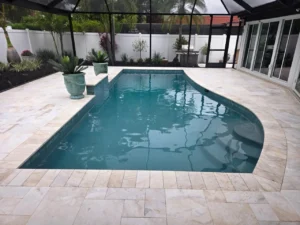
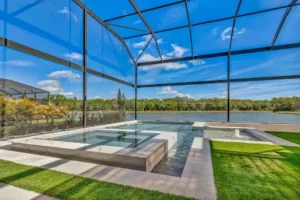
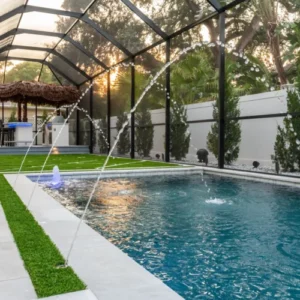
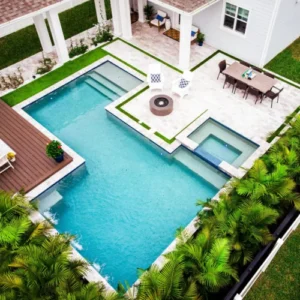
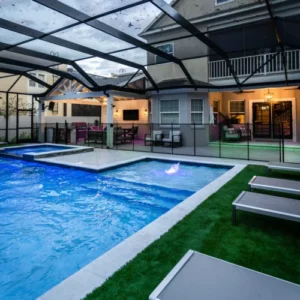
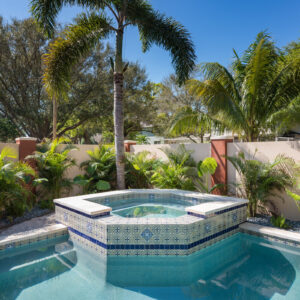
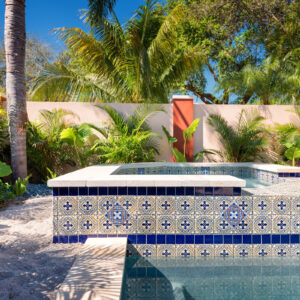
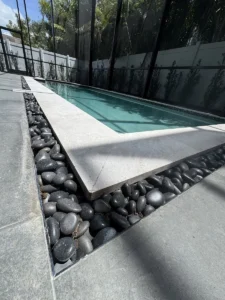
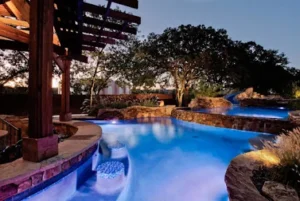
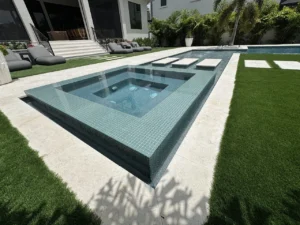
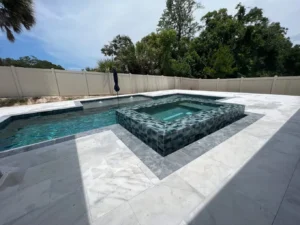
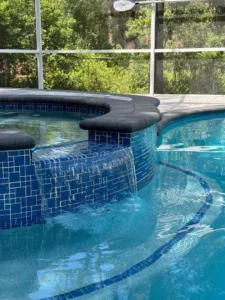
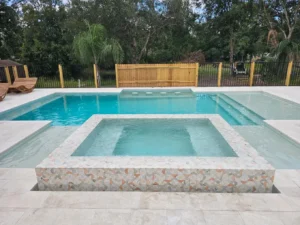
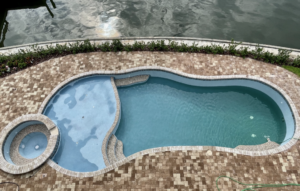

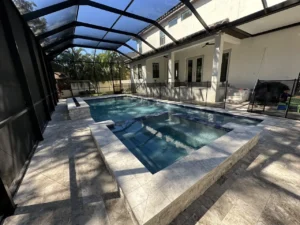
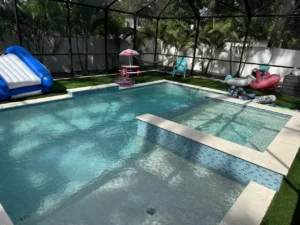
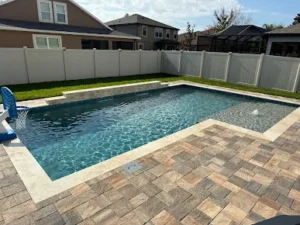
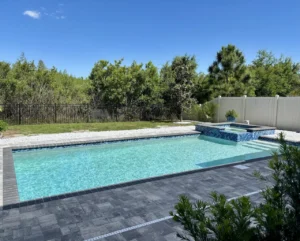
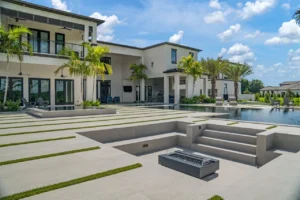
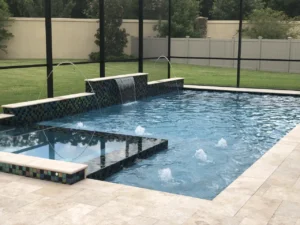
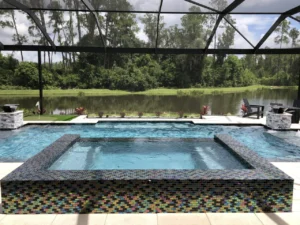
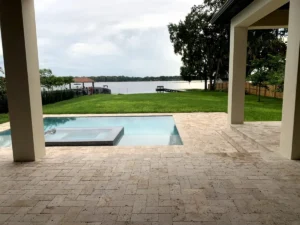
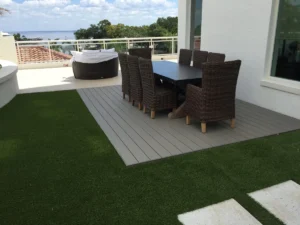
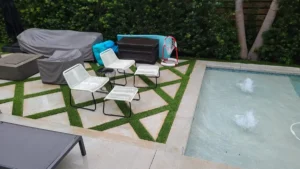
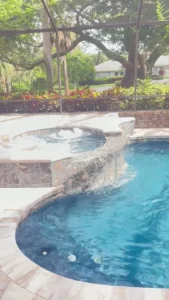
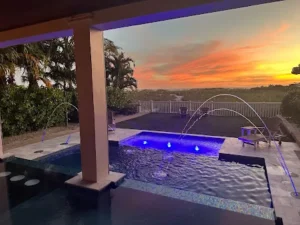
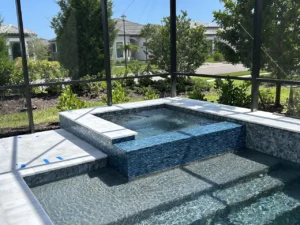
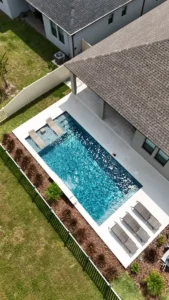
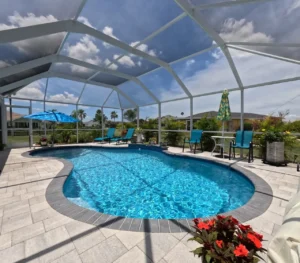
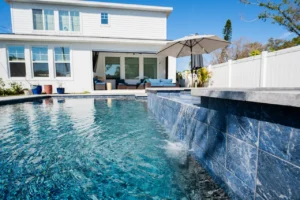
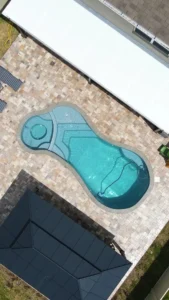
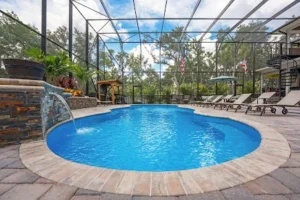
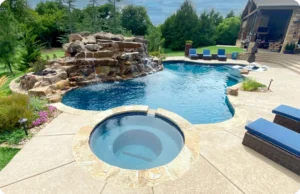
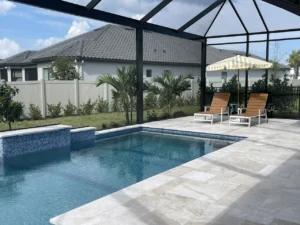
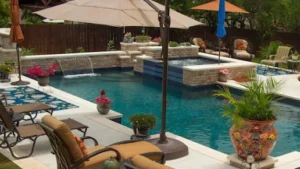
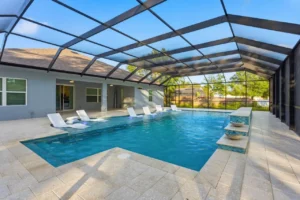




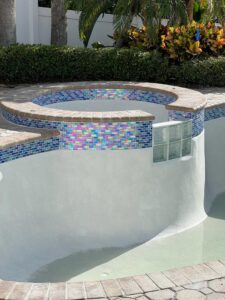
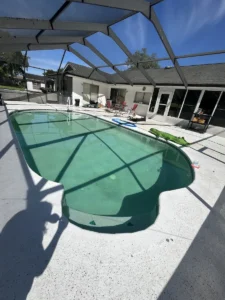
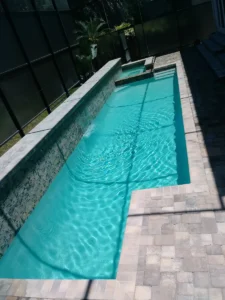
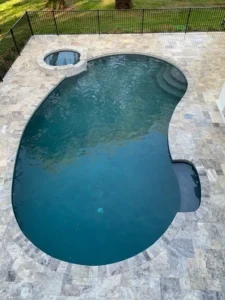
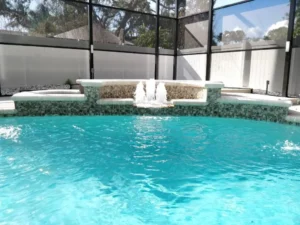
These pool builders are not based in Tampa and don't emphasize their services here, but they've shown they work here, too — so check them out, too!
Tell us what your dream pool is all about, and where do you want it. We'll do our best to find a professional pool builder for your project.
Tampa is an incorporated city with its own building department, separate from Hillsborough County. A great many addresses that read Tampa on an envelope are not inside the city line, and that decides who reviews the pool plans.
One practical note on searching. A "pool builders near me" result leans on proximity and Google Business Profile activity, which is why the same search returns a different set each time. The list here is built from license standing, review history and the work each builder can show instead.
| Where the lot sits | Who reviews the pool plans |
|---|---|
| Inside Tampa city limits | Construction Services Division, 2555 E Hanna Avenue |
| Unincorporated Hillsborough with a Tampa address | The county's Development Services Department |
This is the first thing to get right, and it trips up more homeowners than you’d expect: Tampa is an incorporated city with its own building department, separate from Hillsborough County government. If your property sits within Tampa’s city limits, your pool permit is reviewed and issued by the City of Tampa’s Construction Services Division (2555 E. Hanna Avenue), not the county.
If your property is in an unincorporated part of Hillsborough County — areas that often carry a “Tampa, FL” mailing address without actually being inside city limits — your permit instead goes through Hillsborough County’s Development Services Department, which describes its own role as handling permitting and property development for all of unincorporated Hillsborough County. Same Florida Building Code underneath, but two different offices, portals, and review queues. Before you apply — or before a contractor tells you what to expect — it’s worth confirming which jurisdiction your specific address actually falls under.
Regardless of which office issues your permit, Florida’s Residential Swimming Pool Safety Act (Chapter 515, Florida Statutes) applies everywhere in the state, including Tampa. Before a new residential pool can pass final inspection, it must include at least one approved safety feature:
Most homeowners satisfy this with a code-compliant fence, though any one of the listed options works. Florida treats this as serious enough to carry a real penalty — failing to equip a new pool with a required safety feature is a second-degree misdemeanor — though the statute also lets a homeowner avoid that penalty by adding a safety feature and completing a drowning-prevention education course within 45 days of being cited.
Under Chapter 489 of the Florida Statutes, pool construction is a licensed trade regulated statewide by the Florida Department of Business and Professional Regulation (DBPR). The relevant credential is a Certified Pool/Spa Contractor (CPC) license — or, in some cases, a Certified Building Contractor (CBC) license, which covers a broader scope of construction that also includes pools.
Both are state-level certifications, meaning a properly licensed contractor can legally build pools anywhere in Florida, not just in one city or county. Before signing a contract, confirm a contractor’s license number directly through DBPR’s public license lookup rather than taking a company’s word for it — active status, any disciplinary history, and proof of required insurance are all visible there.
Whether you go through the City of Tampa or Hillsborough County, the broad shape of the process is similar: your contractor (or you, if owner-permitting) submits a site plan and construction documents for plan review, the plans go through a review cycle before a permit is issued, and then a series of inspections happen at defined stages of construction — steel and pre-deck, electrical bonding and grounding, and a pool piping pressure test are typical checkpoints before a final “ready for completion” inspection closes out the permit. Review and inspection turnaround depends heavily on how busy each office is when you apply, so building in schedule flexibility, rather than assuming a fixed timeline, is the safer approach.
Homeowners planning a new pool in the Tampa area tend to run into the same handful of concerns, and it’s worth addressing them directly before you ever get a contractor on the phone.
Cost is the single biggest source of uncertainty.
Most homeowners don’t know what a realistic number looks like for their own project, and the underlying worry is usually the same one: being lowballed on a quote or blindsided by a change order later. That uncertainty is compounded by how much pool pricing genuinely varies by pool type (gunite vs. fiberglass vs. vinyl), size, and site conditions — there is no single “Tampa price.” The only way to get a real number for your own property is to collect quotes from a few licensed contractors and compare them directly, rather than anchoring to a figure you saw somewhere else.
Right behind cost is the question of who’s legally allowed to do the work and what oversight actually exists.
This isn’t abstract curiosity — it’s the practical mechanics of getting a legal pool built at your own address, and the specifics genuinely depend on exactly where that address is. A Brandon-area homeowner in unincorporated Hillsborough County and a homeowner inside Tampa’s city limits are, in practice, dealing with two different permitting offices — the jurisdictional split covered in the Permits tab above — so it’s worth confirming which office actually has authority over your property before you assume anything about the process.
Contractor vetting and trust is a third major concern. Homeowners are generally right to want a second opinion beyond a company’s own marketing — checking BBB listings, asking for references, and verifying licensing directly are all reasonable instincts. That caution is well-founded: Florida’s Attorney General’s office has specifically warned residents about pool-contractor scams, including companies that collect deposits and fail to deliver, as part of a consumer-protection awareness effort.
Timing matters more than most people expect, too. The November–April window is generally the more predictable stretch for pool construction in the Tampa Bay area, since drier weather means fewer rain delays on excavation and concrete work — though permits and construction can happen year-round.
Permit review queues also tend to get busier heading into spring, as a wave of homeowners all try to get a pool finished before summer. The practical takeaway is straightforward: applying earlier, rather than trying to rush a permit through in peak season, tends to save the most time overall.
Yes. Every in-ground (and most above-ground) swimming pool in Florida requires a building permit before construction begins — this is a statewide requirement, not something any city or county can opt out of. In the Tampa area specifically, that permit comes from whichever office has jurisdiction over your address: the City of Tampa's Construction Services Division if you're inside city limits, or Hillsborough County's Development Services Department if you're in an unincorporated area.
Building without a permit exposes you to real risk: the local building department can issue a stop-work order and require costly retroactive inspections (or removal) of unpermitted work, and unpermitted pools frequently become a problem at resale, since buyers' inspectors and title companies routinely check permit records. Just as important, permitted construction is what triggers the safety inspections required under Florida's Residential Swimming Pool Safety Act — skipping the process means skipping the safeguards that law exists to enforce.
There is no number that holds across Tampa. Shell type moves it more than any option you will be shown, then size, access to the back of the lot, screening and the extras added before signing. Fees also differ between the city and the county, so get itemised quotes from licensed contractors who work your side of the line.
Beyond comparing quotes, the habits that matter most are: confirm the contractor's CPC or CBC license is active on DBPR's public lookup, ask to see (or independently pull) their permit history with the relevant local building department, get references from recent, nearby jobs, and read the contract carefully — especially deposit and payment-schedule terms, since a large upfront deposit tied to vague milestones is one of the more common patterns behind consumer complaints in this industry.
Both are legitimate under Florida law. A Certified Pool/Spa Contractor (CPC) license is specific to pool and spa construction, while a Certified Building Contractor (CBC) license covers a broader scope of construction work that also includes pools. Either credential, verified as active with DBPR, satisfies the legal requirement to build a pool in Florida.
Many contractors and industry guides point to the drier months, roughly November through April, as more predictable for construction, since less rain generally means fewer delays on excavation and concrete work. That said, pools are built year-round in Florida, and permit review queues tend to get busier heading into spring as more homeowners apply at once — so applying early is generally more useful than trying to time the season perfectly.
Florida's Attorney General's office has specifically flagged pool-contractor fraud as a recurring seasonal scam pattern, so it's worth treating any contractor who avoids the standard process with suspicion. Red flags include pressure to pay a large deposit before any permit is filed, refusal to provide a license number, no written contract, or an unwillingness to name the specific local building department that will inspect the work — verifying licensing directly with DBPR before signing anything is the single best protection.
If you didn't find a pool builder for your Tampa passion project here, check out the neighbours: professional pool builders usually don't mind travelling a few miles to help new customers with the most exciting projects.