
Pool builders by service
Pool lighting is two systems that get quoted as one: the fixture in the water, and everything lighting the space around it. In Florida the second one matters more: the screened lanai is where people actually sit after dark. Below, what fits, what the code requires, and the builders across the state who do this work.
194 listings here
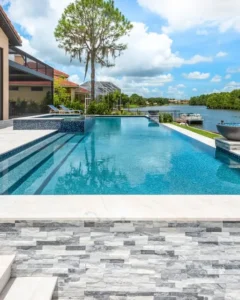
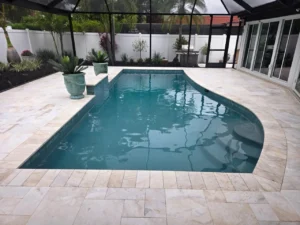
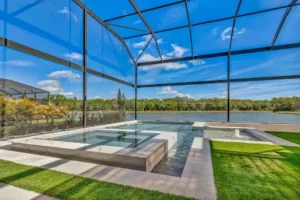
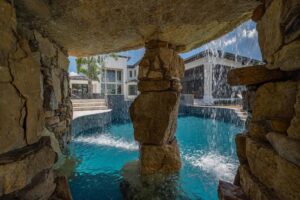
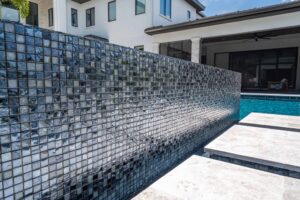
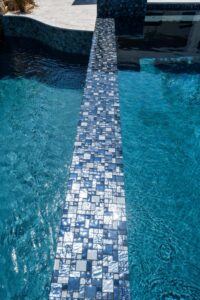
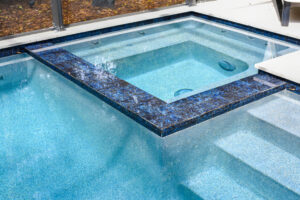
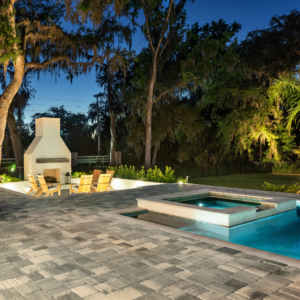
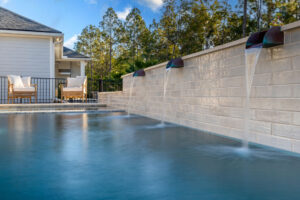
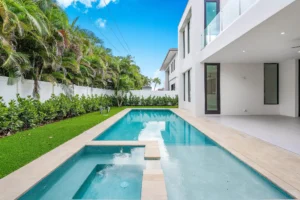
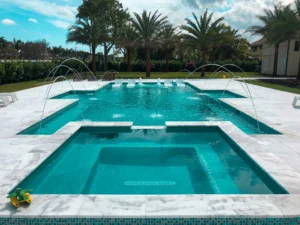
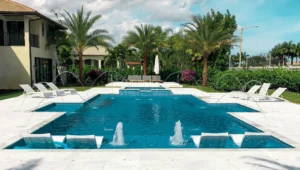
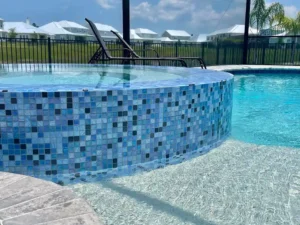
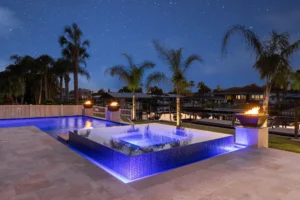
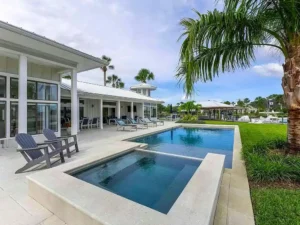
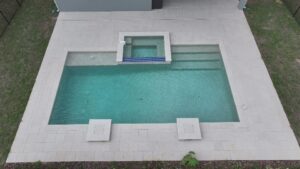
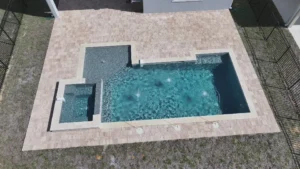
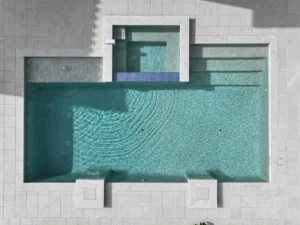
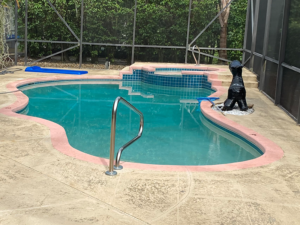
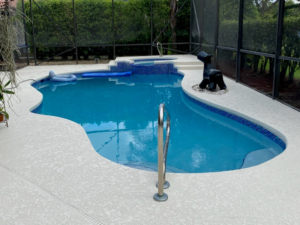
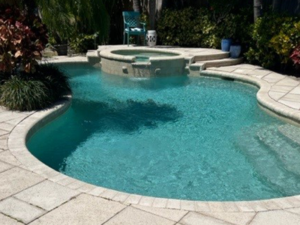
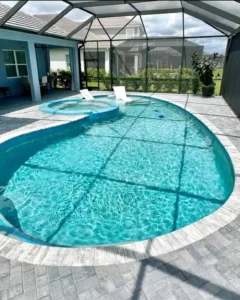
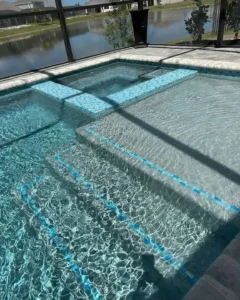
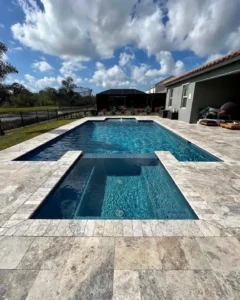
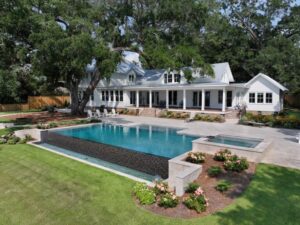
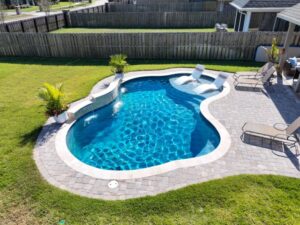
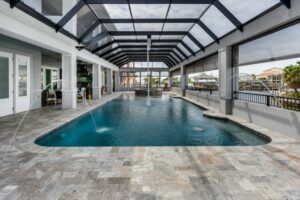
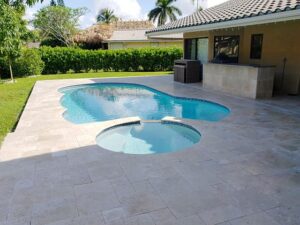
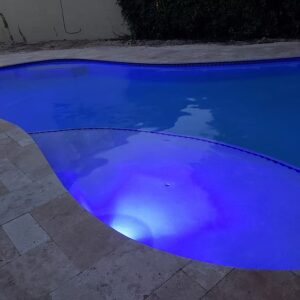
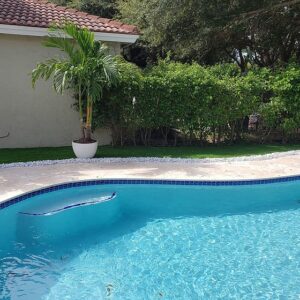
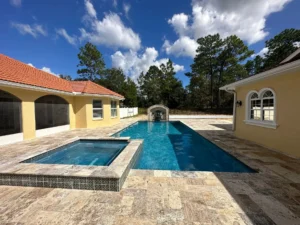
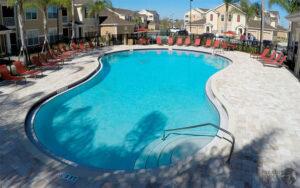
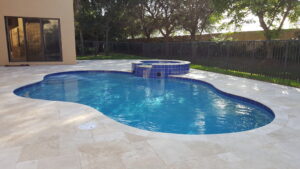
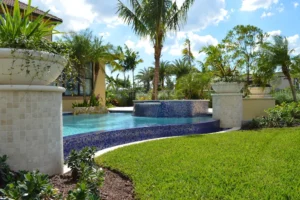
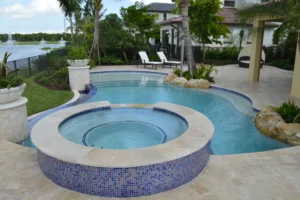
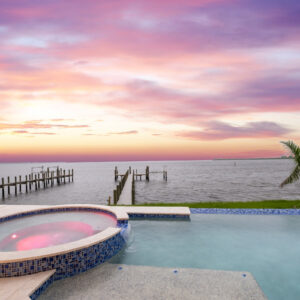
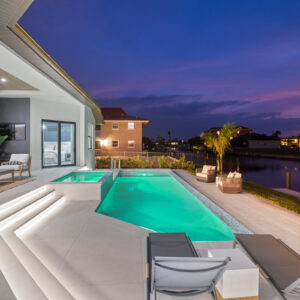
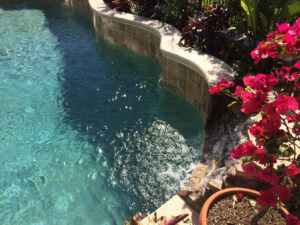
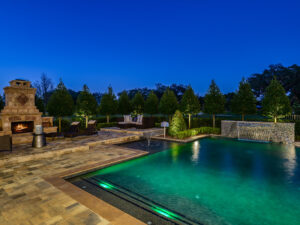
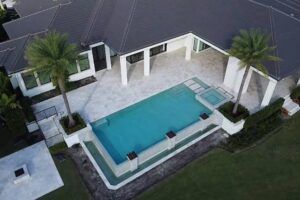
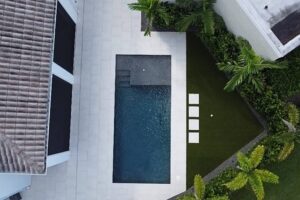
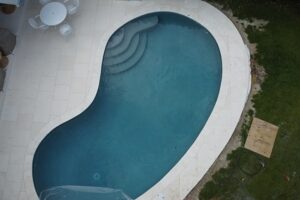
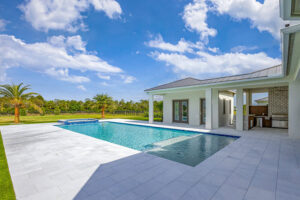
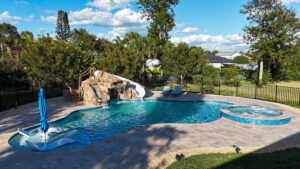
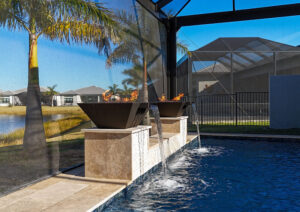
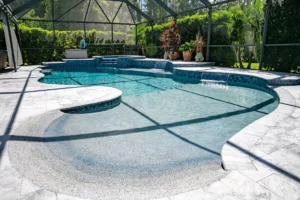
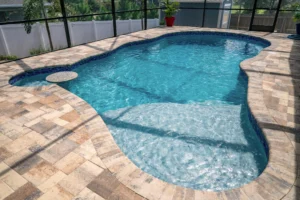
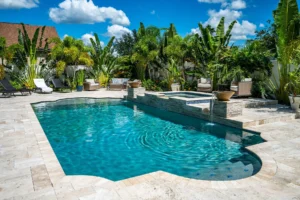
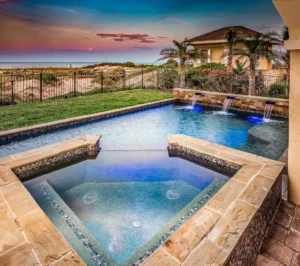
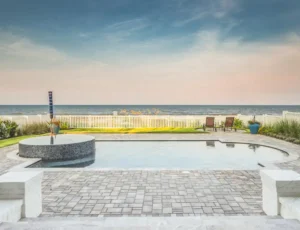
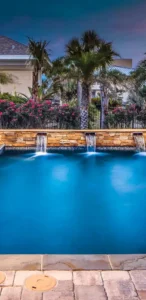
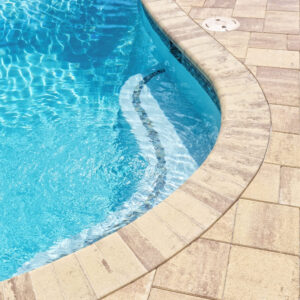
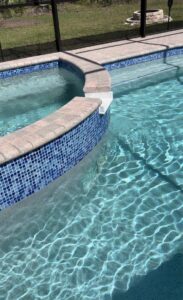
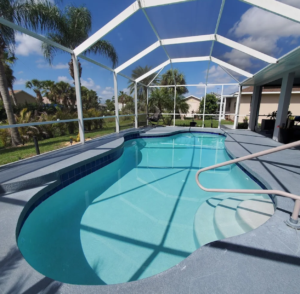
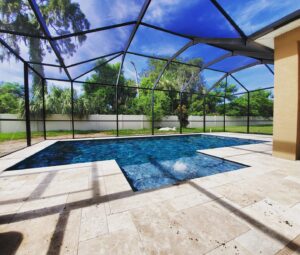
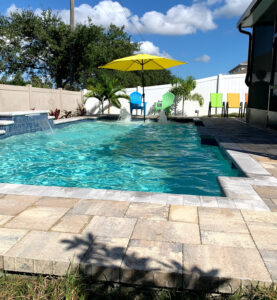
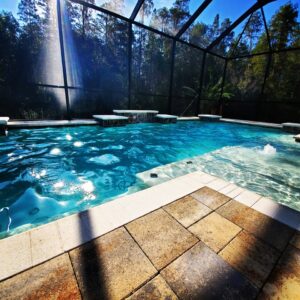
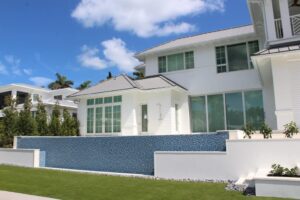
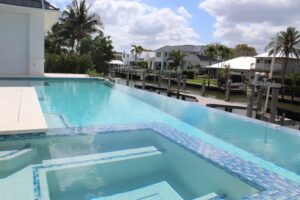
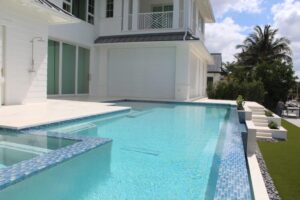
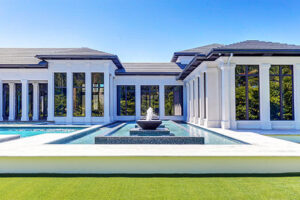
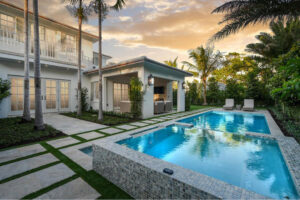
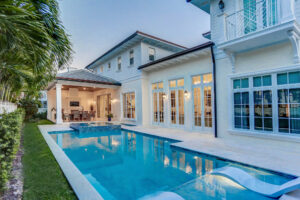
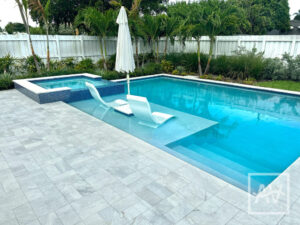

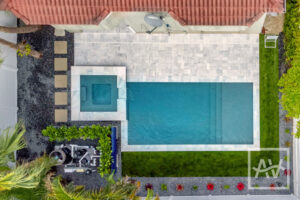
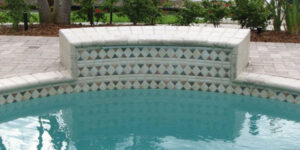
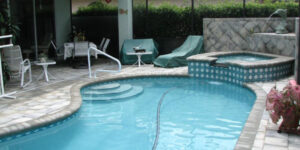
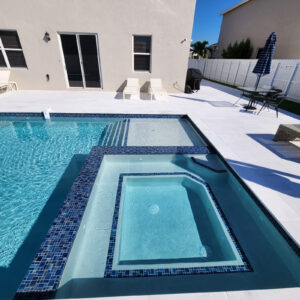
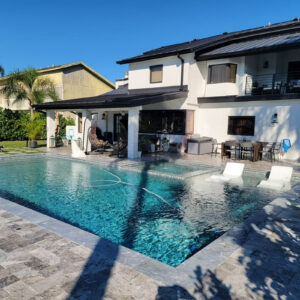
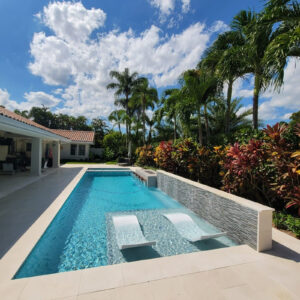
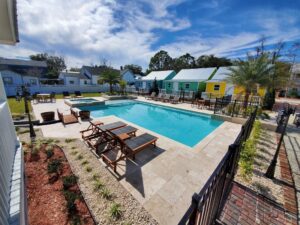
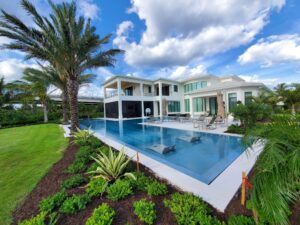
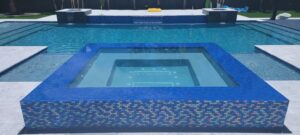
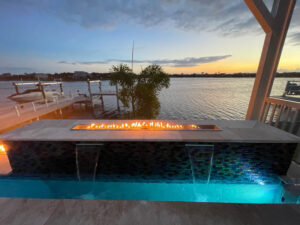
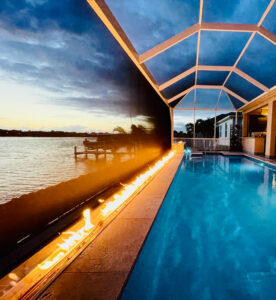
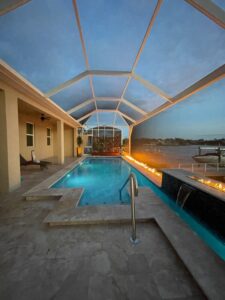
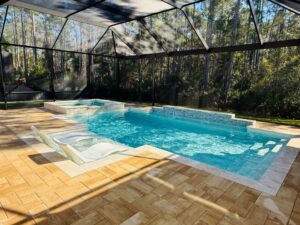
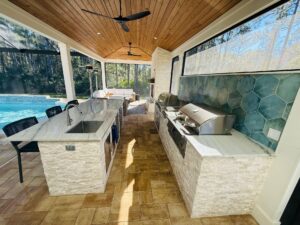
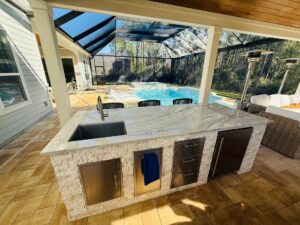
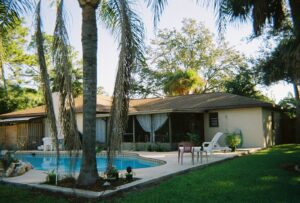
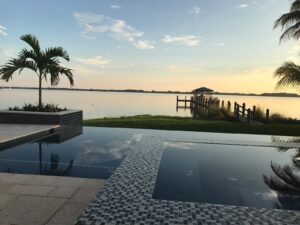
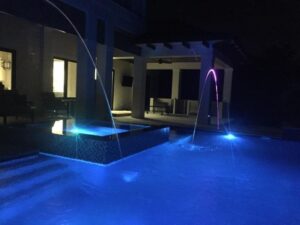
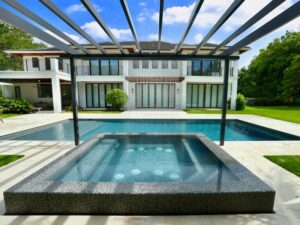
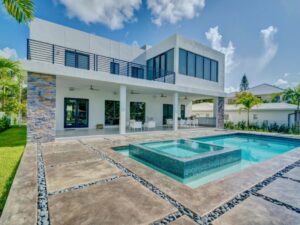
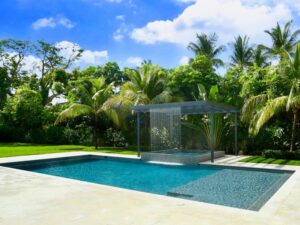
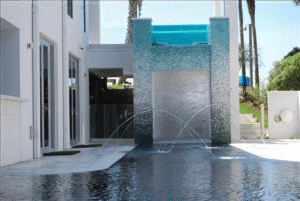
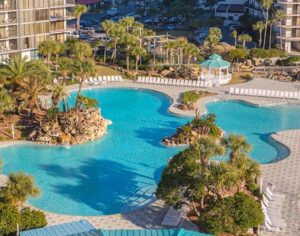
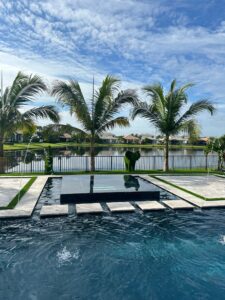
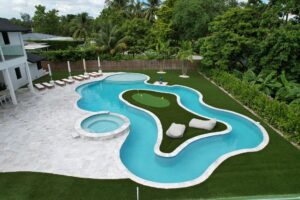
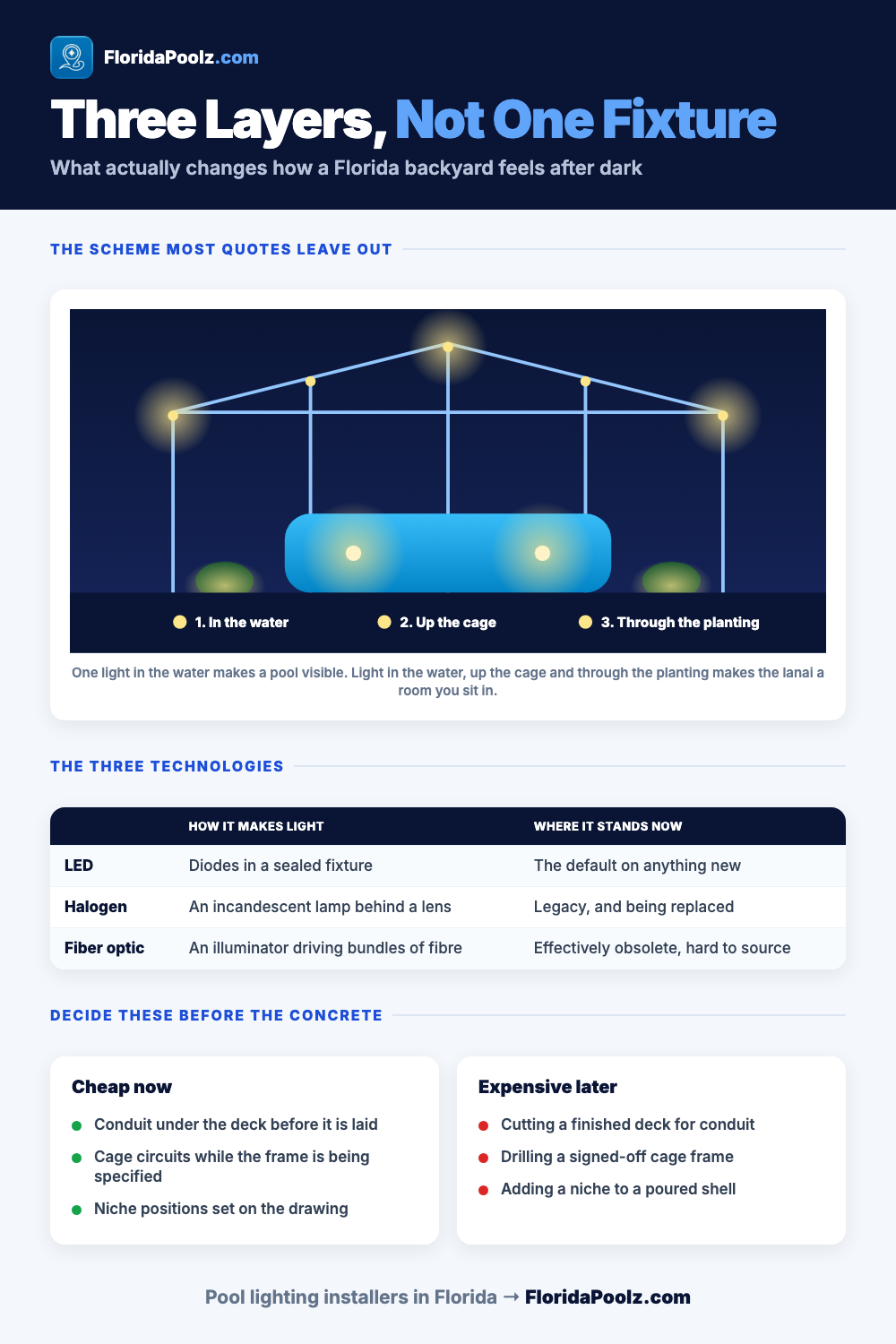
There is the light in the water and there is everything around it, and homeowners tend to arrive asking about the first when the second is what actually changes the evening. A single white fixture in a wall niche makes a pool visible. A layered scheme, in-water colour plus a lit cage perimeter plus something grazing the planting, makes a backyard usable after dark.
That distinction matters more in Florida than almost anywhere. Evenings here are warm for most of the year, the mosquitoes arrive at dusk, and the screened lanai is where people actually sit. Lighting the cage rather than only the water is a Floridian move, and it is the part most quotes leave out.
Fixtures divide by how they make light, and the market has narrowed hard in the last decade.
| How it works | Colour | Where it stands now | |
|---|---|---|---|
| LED | Diodes in a sealed fixture | White or full colour | The default for everything new |
| Halogen | An incandescent lamp behind a lens | White, with plastic lens filters | Legacy, and being replaced |
| Fiber optic | An illuminator box driving fibre | Colour, at the illuminator | Effectively obsolete |
Fiber optic earns a sentence, since plenty of Florida pools still have it. A single lamp sat in a box on the equipment pad and the light was piped to the water through bundles of fibre, so the pool had no electrical fixture in it at all. It worked, it was dim, and the illuminators are hard to source now. Anyone quoting to repair one ought to be quoting to replace it.
Within LED the real decision is white against colour. Colour-changing fixtures do white perfectly well and cost more. White-only fixtures are cheaper and stay white. The one that dates a pool is the colour scheme nobody ever changes off the default.
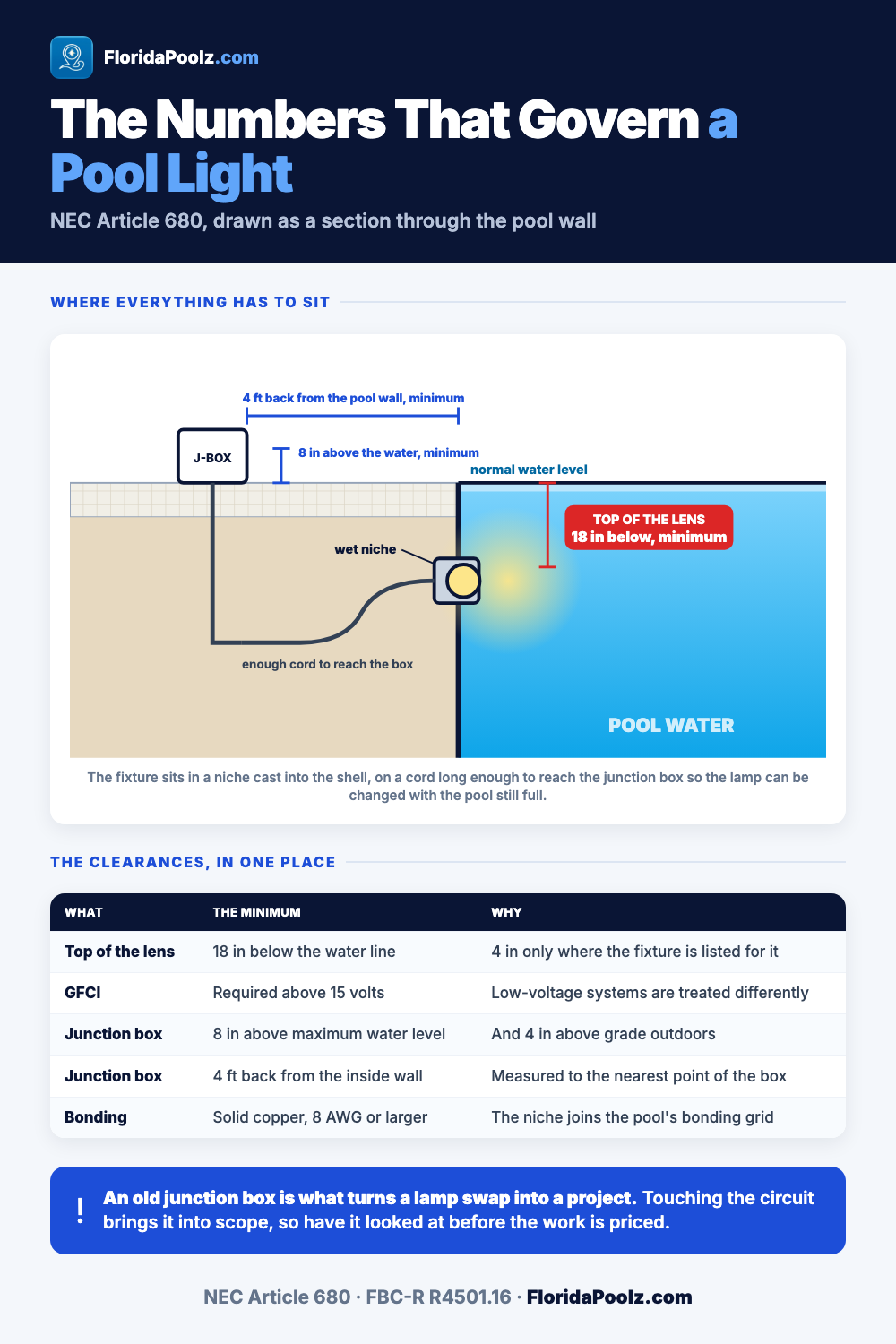
This is the most common lighting job in the state and it is genuinely easy, which is why it is worth knowing where it stops being easy. An existing wall niche will usually take a replacement LED lamp assembly from the same manufacturer's range, pulled out on its cord, swapped, and put back, with the pool still full.
What decides whether it is that simple:
The last one is where retrofits turn into projects. A pool from the 1980s often has a junction box that would not be permitted today, and touching the circuit is what brings it into scope. That is not a reason to avoid the work. It's a reason to have it inspected before it is priced.
On a new build the light is decided before the shell is poured, The niche is cast into the shell and the conduit is trenched with everything else.
Aiming is the part nobody thinks about. A fixture faces away from the house so people are not looking into it from the kitchen window, and on a pool with a sun shelf or a bench the light wants to be below the ledge rather than lighting the underside of it. Two fixtures on a long pool beat one bright one, and the reason is glare rather than brightness.
Cage and deck lighting is separate work on a separate circuit, often done by the same electrician on the same day. On a screened lanai the fixtures usually mount to the cage frame itself, which puts the frame first in the sequence.
Pool electrical is one of the most tightly written parts of the National Electrical Code, and Article 680 is where it lives. The numbers a homeowner benefits from knowing:
Bonding is the requirement underneath all of it, and it is not the same thing as grounding. Every metallic part around a pool, the reinforcing steel, the fittings, the equipment on the pad, is tied together with solid copper no smaller than 8 AWG so that nothing can sit at a different potential from anything else. A light niche is part of that grid.
In Florida this routes through the building code rather than standing alone: R4501.16 of the Florida Residential Code sends pool electrical work to Chapter 27 of the Florida Building Code, which is where the NEC is adopted. The practical consequence for an owner is simple. A lighting circuit is permitted, inspected electrical work, and the person doing it holds an electrical license.
Fixtures are a small part of a lighting number on anything other than a straight swap. What moves it:
The comparison trap is quoting a lamp swap against a scheme. A replacement LED assembly in an existing niche and a new lit lanai are not the same job in any respect, and a quote for one is not a benchmark for the other.
Electricity is the least of it. An LED fixture draws a fraction of the halogen it replaced, and on a normal schedule the running cost disappears into the noise of the pump.
What actually costs money is the seal and the transformer. A wet-niche fixture is a sealed object sitting in treated water, and when it fails, the seal went, not the diodes. Transformers on low-voltage systems have their own life and they sit outdoors in Florida, which is not kind to them. On a salt pool the fixture ring and its screws are one more piece of metal standing in salted water, so the fixings are worth specifying properly rather than accepting.
Lightning is the Florida-specific one, and it is not superstition. A surge takes out controllers and transformers, and a pool with automation has more electronics exposed than a pool with a switch. Surge protection at the panel is cheap next to a controller.
The roster above is every builder profile tracked here that lists lighting among its services, counted live. Dozens of them have lit pools in the photographs reviewed for this directory, which is a much smaller and much more useful set. A lit pool at dusk is one of the few things a photograph genuinely proves.
Browse for schemes rather than fixtures. A portfolio full of pools shot at dusk with light in the water, up the cage and through the planting belongs to somebody who thinks in layers. A portfolio of daytime shots may belong to an excellent builder who subcontracts the electrical, which is a normal arrangement and worth knowing before the design conversation rather than during it.
Lighting is decided alongside three other things and suffers when it is decided after them. The screen enclosure is the big one here, Cage lighting mounts to the frame, and the frame gets engineered long before anyone thinks about fixtures. The pool deck carries the conduit for anything lighting the surround, and burying that conduit before the surface goes down is far cheaper than cutting it in afterwards.
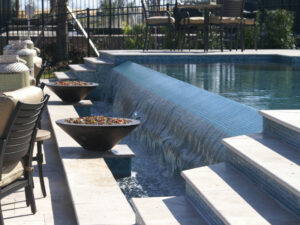
On the water side, a spa takes its own fixture and its own circuit, and a saltwater pool changes which fixings make sense around the fixture ring. Features that are lit rather than merely present are a different conversation again: a waterfall or a sun shelf lit from the right side reads completely differently at night.
Supply is broadest around the big metros. Orlando, Naples and Sarasota carry deep rosters, as do Collier and Orange counties.
Usually, yes. A wet-niche fixture is designed to be pulled out of its niche on its cord, set on the deck, worked on and put back, all with the pool full. That is why the code requires enough cord to reach the junction box in the first place. What stops it being routine is age: an old niche may not accept a current fixture range, and a junction box installed decades ago may not meet today's clearances, which touching the circuit brings back into scope.
Article 680 of the National Electrical Code sets it: the top of the fixture lens sits not less than 18 inches below the normal water level, with an exception for a fixture listed for use at a shallower depth, some down to four inches. The depth is about people rather than the light. It keeps a swimmer from putting a hand or a face against a lens at the surface.
Above 15 volts, yes: the branch circuit supplying an underwater luminaire has to be GFCI protected. At 15 volts or less, supplied through a listed transformer that holds the output there, the requirement is different, which is one reason low-voltage systems are common. Either way the fixture and its niche are part of the pool's bonding grid, tied in with solid copper no smaller than 8 AWG, and that is the requirement doing the real safety work.
For a new pool there is no argument left; LED is what gets fitted. On an existing halogen pool the case is about the lamp, not the bill. An LED assembly lasts far longer than the incandescent lamp it replaces, and the failures that do happen are seal failures rather than burnouts. The colour question is separate. A colour-changing fixture costs more and does white perfectly well, so the honest test is whether anybody in the house will actually change it off the default.
Fixtures mounted on the frame of a screen enclosure rather than in the water, lighting the lanai as a room instead of lighting the pool as an object. Close to a Florida-only category, since the pool cage barely exists elsewhere, and the single biggest change most people can make to how a screened pool feels after dark. It runs on its own circuit and mounts to the cage frame, so it belongs in the enclosure conversation rather than the one after it.
Start from the roster on this page and narrow by city, then look at photographs rather than service lists. A pool lit at dusk is one of the few things a portfolio genuinely proves. Ask whether the electrical work is in-house or subcontracted, since either answer is fine and only one of them means the person quoting is the person doing it. On a retrofit, ask for the junction box and conduit to be looked at before a price is given.
An LED fixture draws a small fraction of the halogen it replaced, and against the pump it's a rounding error on a Florida power bill. The costs that matter are replacement ones. A wet-niche fixture fails at its seal rather than at its diodes, transformers on low-voltage systems have a finite life outdoors, and a lightning surge can take a controller with it. Surge protection at the panel is inexpensive next to what it protects.
Still weighing it up? These are the choices most people compare with Pool Lighting in Florida.