
Pool builders by service
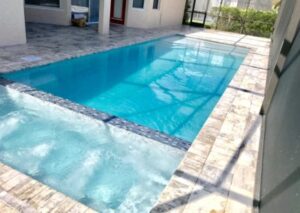
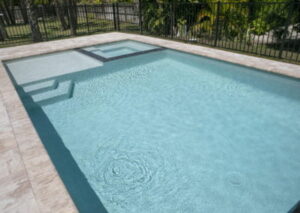
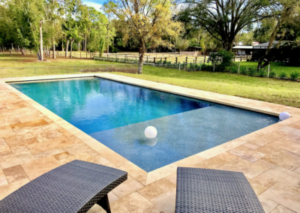
A pool with sun shelf is the only pool that a toddler and a grandparent can use at the same time, which is why it went from an unusual request to close to a default in Florida. Everything about whether it works comes down to a few inches of water depth. Below, the numbers that settle it, what has to be plumbed before the shell is shot, and the builders across the state.
241 listings here
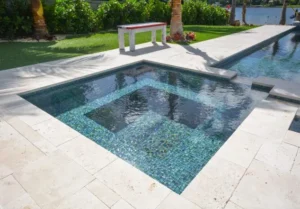
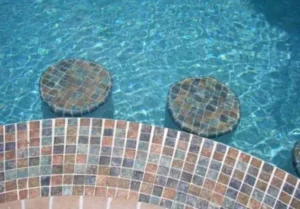
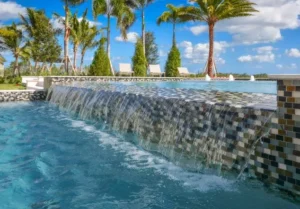
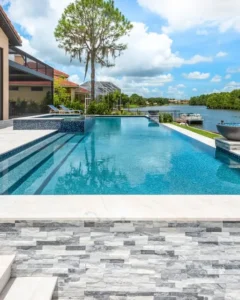
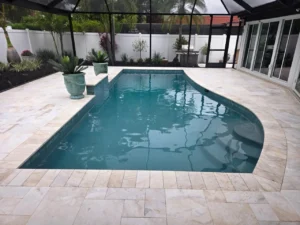
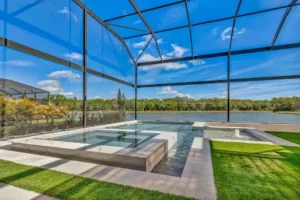
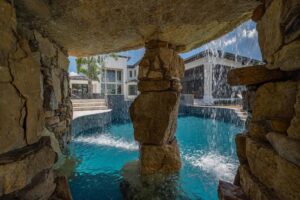
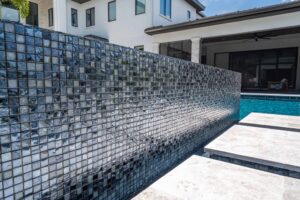
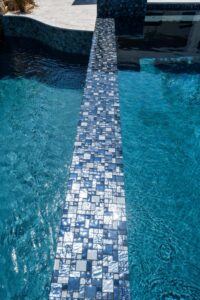
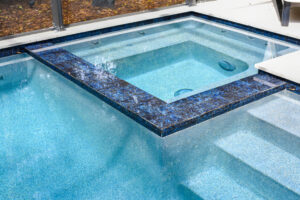
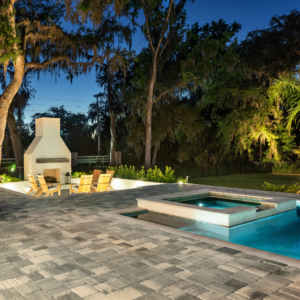
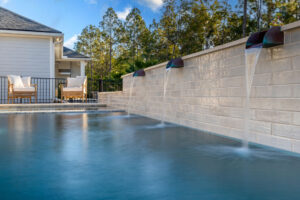
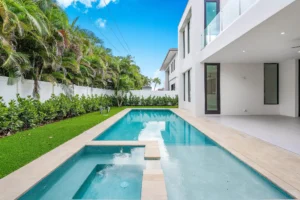
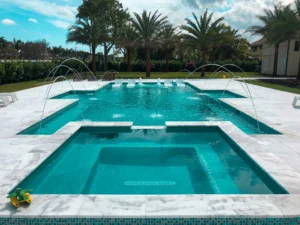
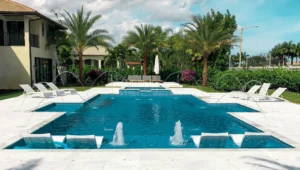
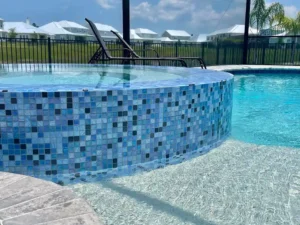
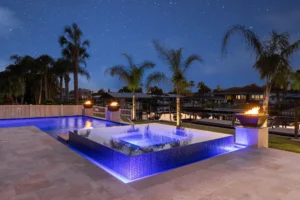
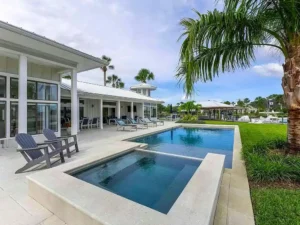
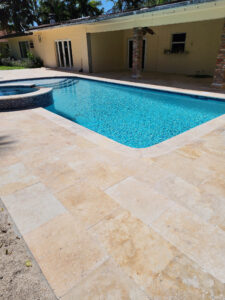
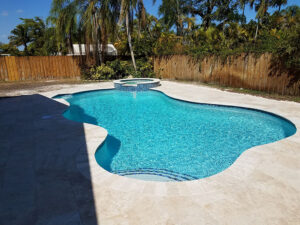
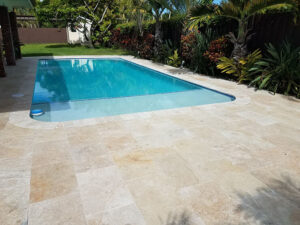
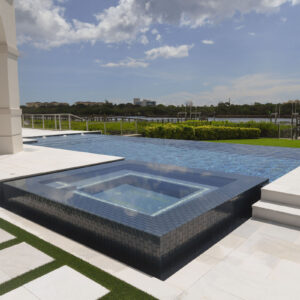
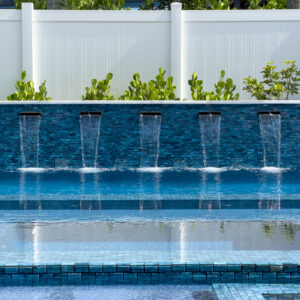
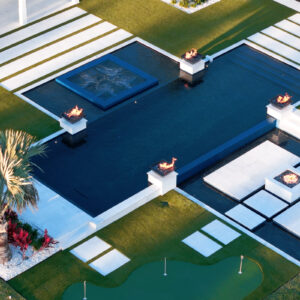
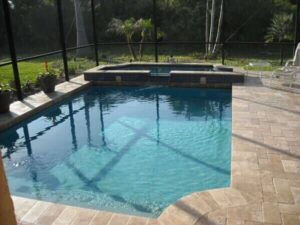
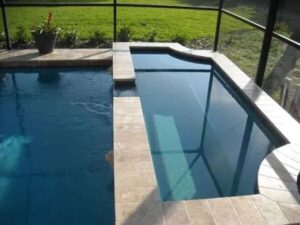
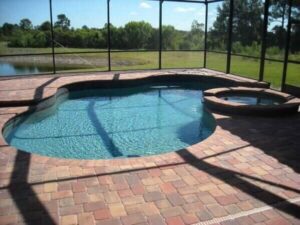
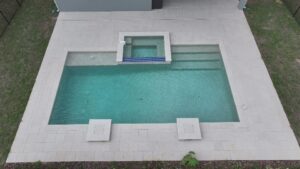
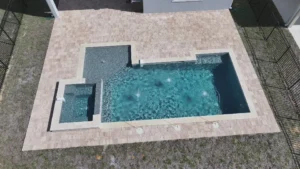
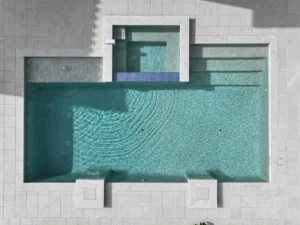
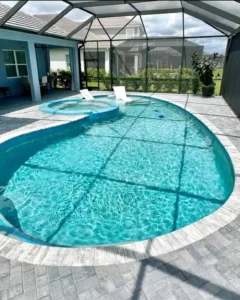
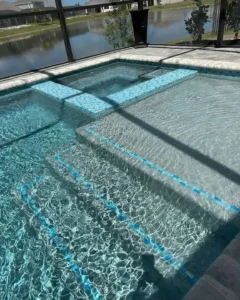
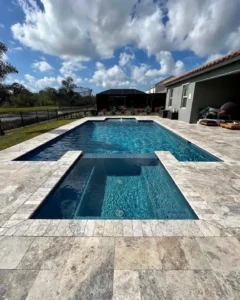
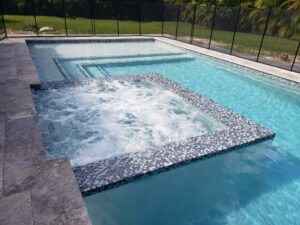
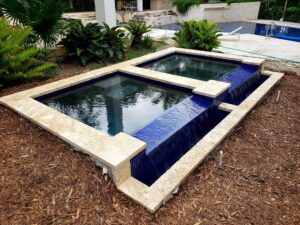
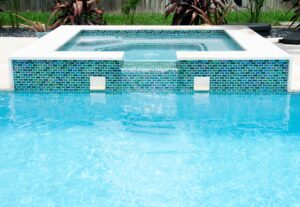
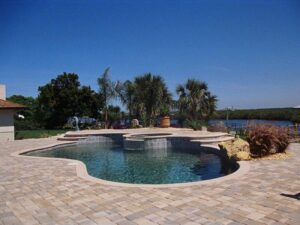
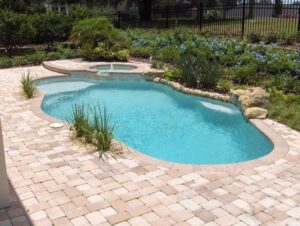
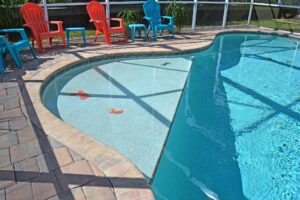
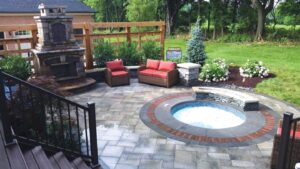
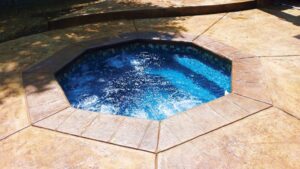
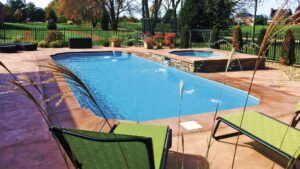
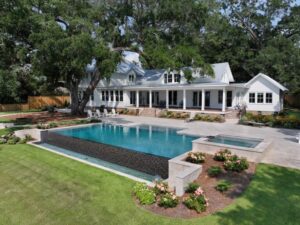
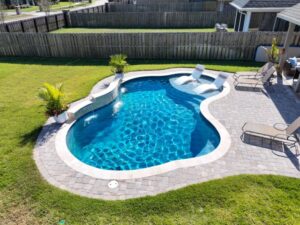
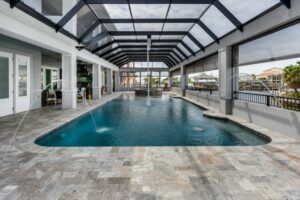
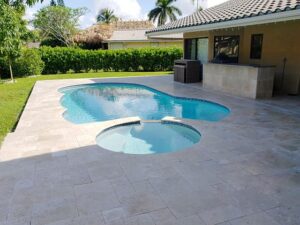
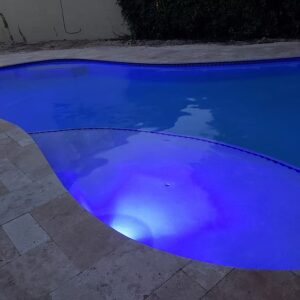
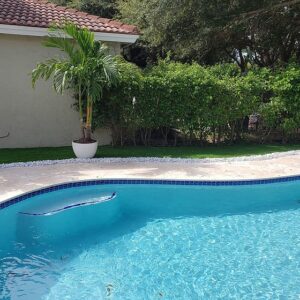
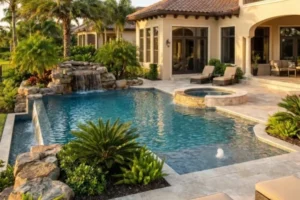
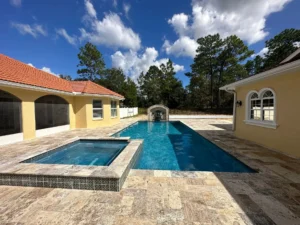
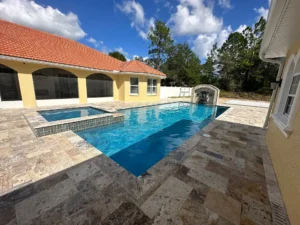
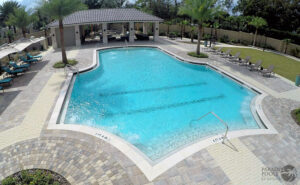
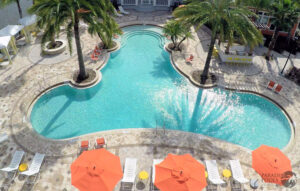
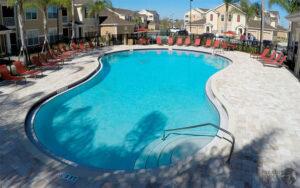
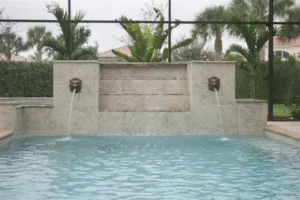
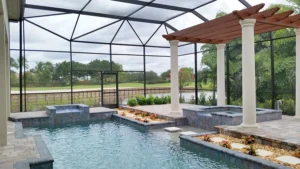
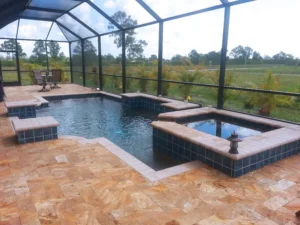
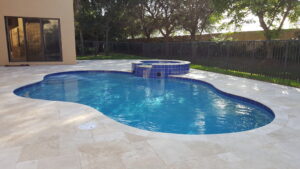
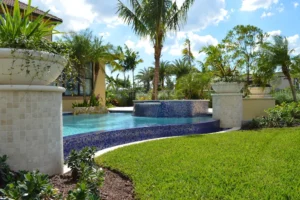
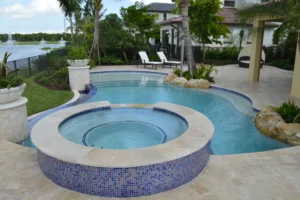
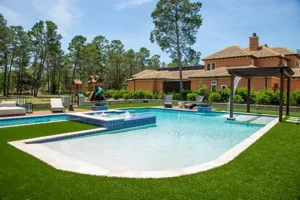
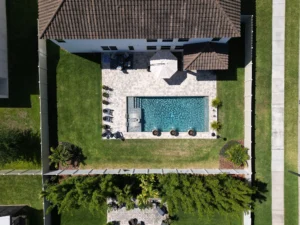
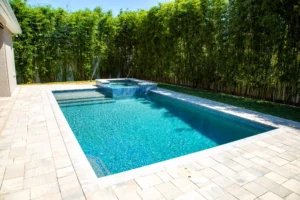
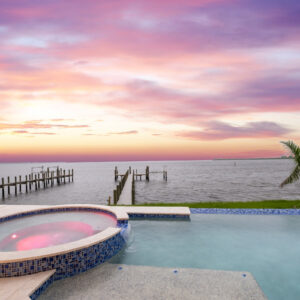
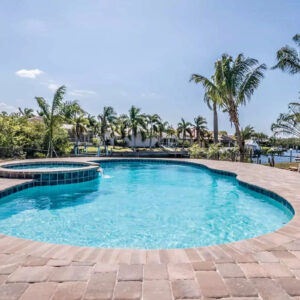
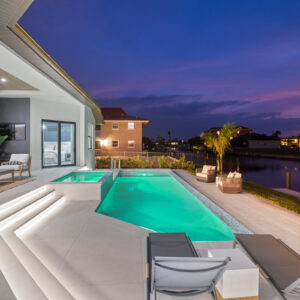
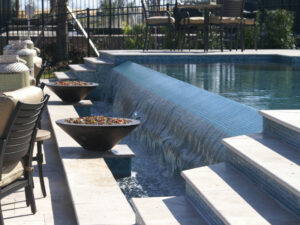
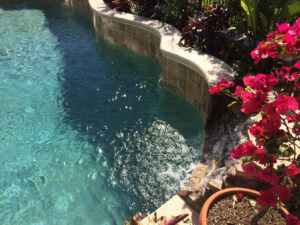
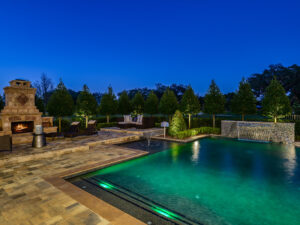
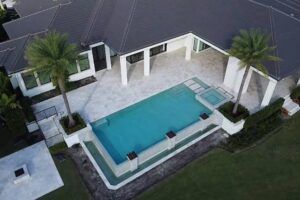
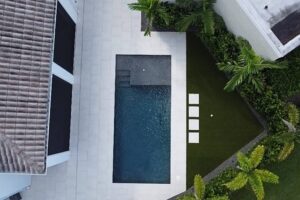
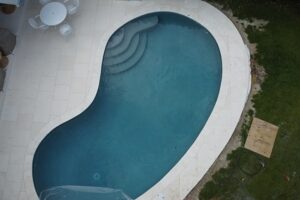
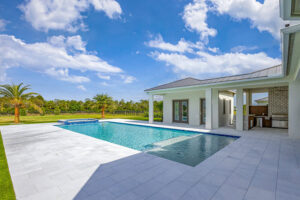
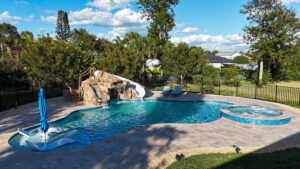
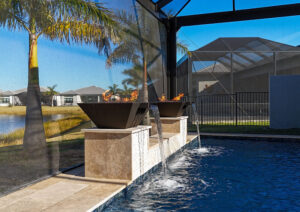
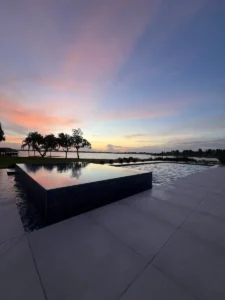
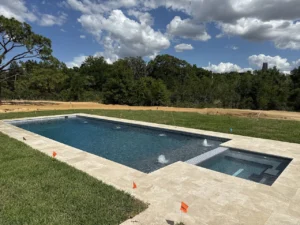
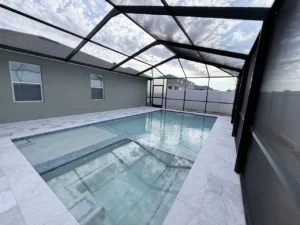
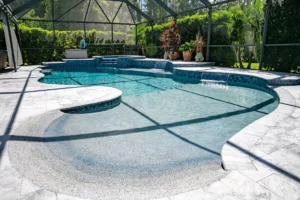
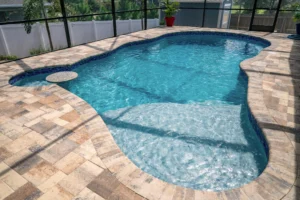
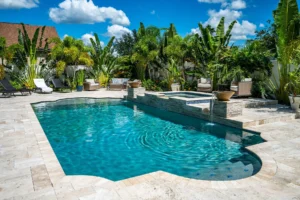
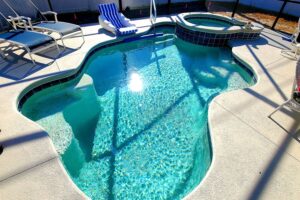
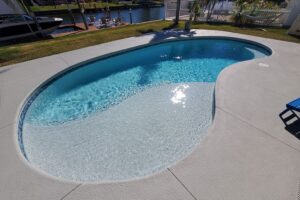
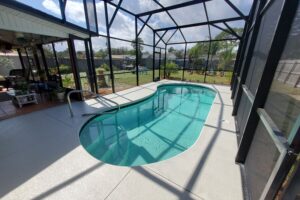
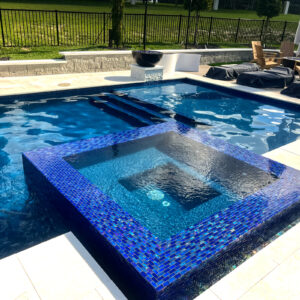
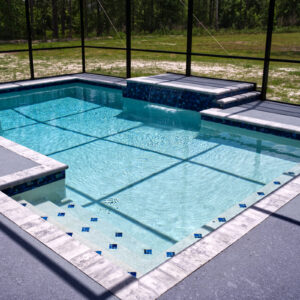
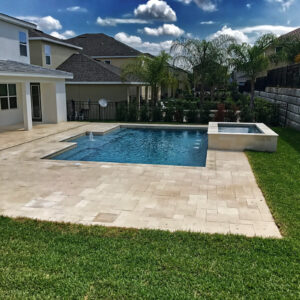
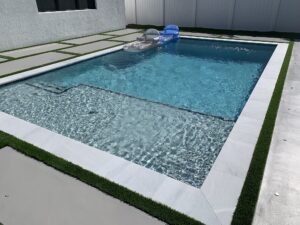
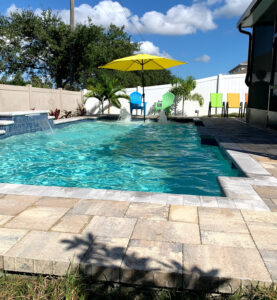
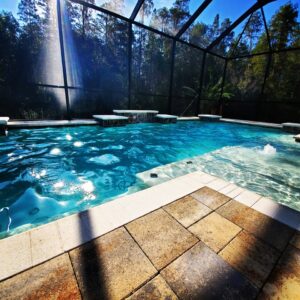
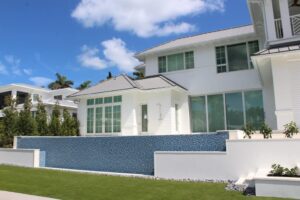
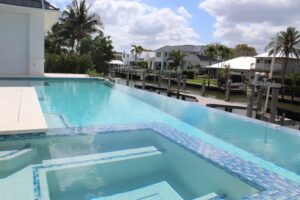
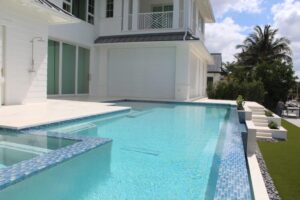
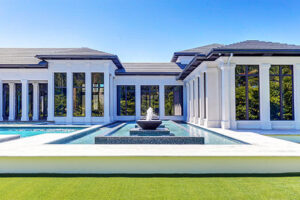
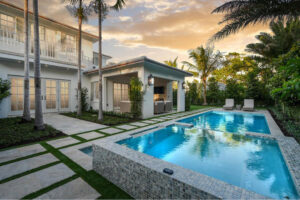
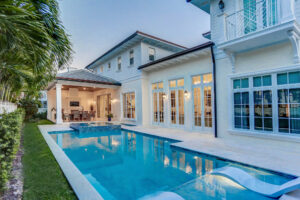
A sun shelf is a wide, deliberately shallow platform at one end of the pool, and describing it as a ledge undersells what it changed. It's the only part of a pool a toddler and a grandparent can both use at the same time, which is why it went from an unusual request to something close to a default in Florida over about a decade.
Three uses share the same square footage. Somebody lies on it. Somebody watches a small child stand up in it. And somebody sits on the edge of it with their feet in the water rather than getting in. That combination is the whole appeal, and it explains why the depth argument below matters more than the size argument.
The names are interchangeable and the trade uses all of them: sun shelf, tanning ledge, Baja shelf. A beach entry is a different thing, a sloping floor that walks you gradually into the deep, and it eats far more of the pool's footprint.
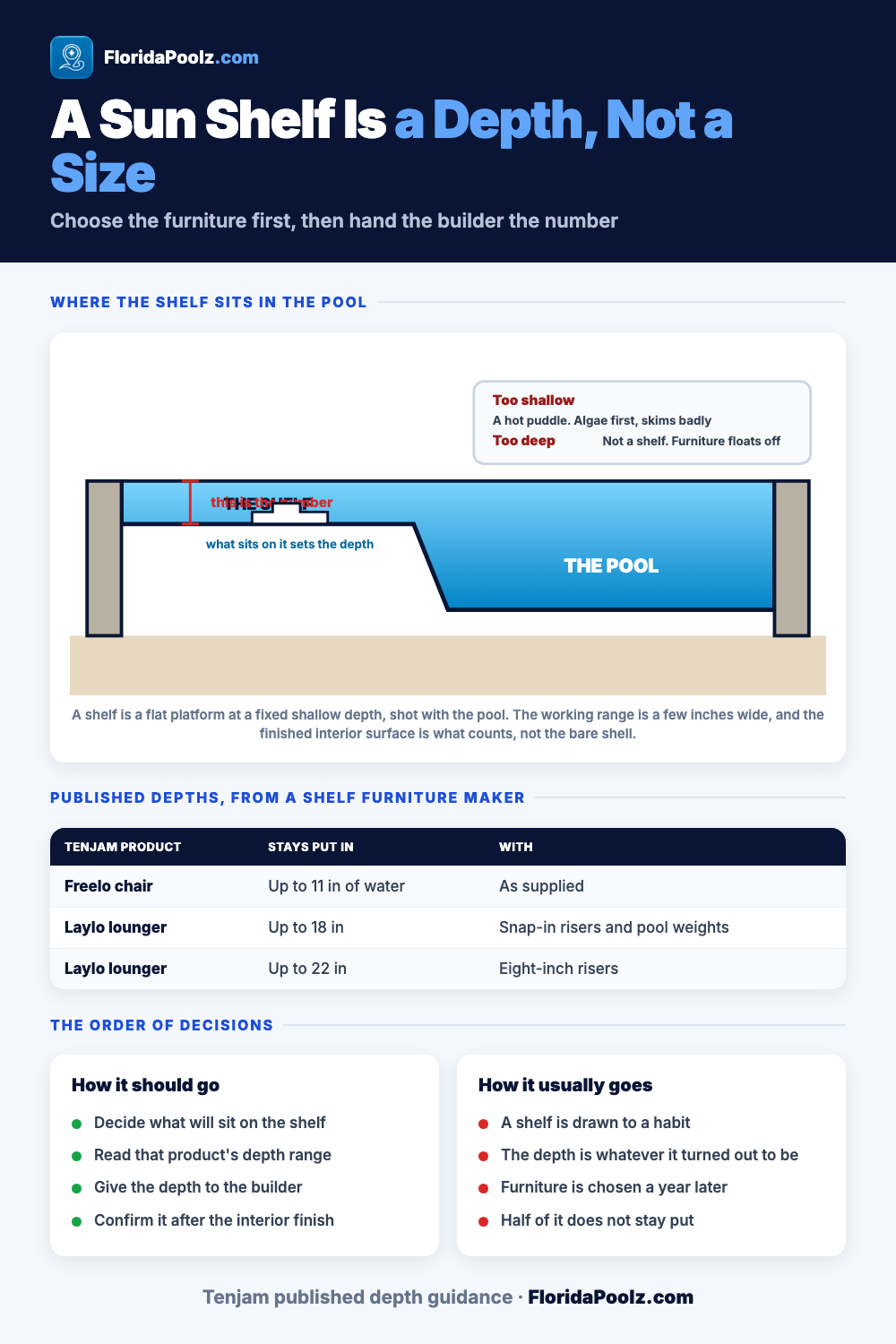
This is the number nobody discusses at the design stage and everybody discovers afterwards. A shelf is defined by how much water sits on it, and the range that works is narrow.
Too shallow and it stops being a place to lie down. It heats up like a puddle, grows algae faster than the rest of the pool, and skims badly. Too deep and it stops being a shelf and becomes a step, and anything you put on it floats away.
The furniture makers publish the numbers, which makes this unusually easy to specify properly. Tenjam, whose whole range is built for shelves and tanning ledges, rates its Freelo chair to stay in place in up to 11 inches of water. Its Laylo lounger works in depths up to 18 inches with risers and weights, and with eight-inch risers up to 22 inches.
| Tenjam product | Stays put in | With |
|---|---|---|
| Freelo chair | Up to 11 in of water | As supplied |
| Laylo lounger | Up to 18 in | Snap-in risers and pool weights |
| Laylo lounger | Up to 22 in | Eight-inch risers |
So the sequence is backwards from how most people do it. Decide what is going to sit on the shelf, read that product's water depth, and give the depth to the builder as a specification. A shelf designed without that conversation is a shelf that comes with a furniture constraint nobody chose.
A shelf is shot with the pool, part of the same structure and formed in the same operation, and the sequencing follows from that.
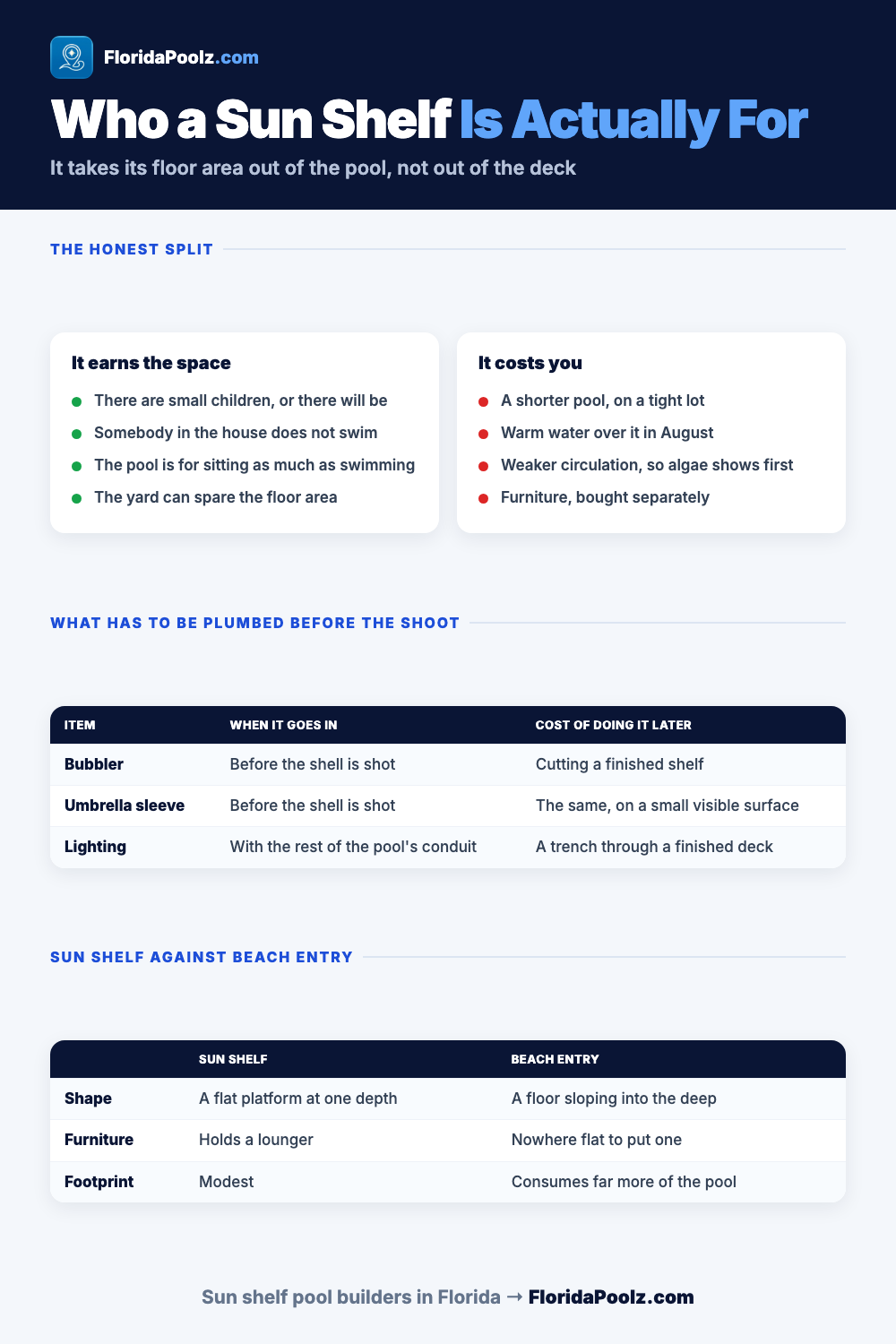
Step three is the one with a deadline attached. A bubbler in the shelf, and the sleeve for an umbrella pole, both go in before the shell is shot. Adding either afterwards means cutting a finished shelf, which is real work on a small surface that is highly visible.
Step six is worth insisting on, since the depth that matters is the depth after the interior finish goes on, not the depth of the bare shell. A finish adds thickness, and on a surface where the working range is a few inches wide, that is not a rounding error.
The honest answer is that this is one of the harder retrofits, and the reason is geometry rather than difficulty.
A shelf occupies floor area at the shallow end. Building one into an existing pool means cutting into the shell, tying new steel into old, shooting the new floor and wall, and refinishing across the joint, which in practice means refinishing the whole pool so the surface matches. That last part is what makes it expensive: a job that sounds like a small addition ends up including the pool's largest recurring cost item, brought forward.
There is a partial alternative worth knowing about. A shallow bench or an in-pool seat is a much smaller intervention than a full shelf, and on a pool that already has a broad set of entry steps, extending or reworking those is closer to the reach of a remodel than a new shelf is.
A shelf is one of the few features where the honest answer to "should I have one" is a firm no for some households.
The shelf takes its area out of the pool, not out of the deck. On a small Florida lot where the pool is already as long as the setbacks allow, a shelf shortens the swimming part of it, and a household that swims lengths will notice that every day and use the shelf occasionally. That is a real trade and it is worth stating plainly rather than discovering.
The other genuine downside is heat. A few inches of water over a light-coloured surface in Florida sun gets warm, which is pleasant in February and unpleasant in August. A bubbler helps by moving the water. Shade helps more.
A shelf is one of the cheaper things to add to a new pool and among the more expensive to add later, which is a familiar shape on this site by now.
The last one catches people. Loungers built for shelf use are a separate purchase from a separate supplier, and they are the reason the depth number matters, so it is worth pricing them at the same time as the pool rather than a year later.
A shelf has no equipment and no running cost of its own. What it has is a maintenance character different from the rest of the pool.
Shallow water over a large flat surface in eleven months of sun is where algae starts, and it is the part of the pool that shows a chemistry lapse first. Sunscreen, sand and leaves collect there too, since the circulation over a shelf is weaker than over the main body, and stays that way until a return or a bubbler is aimed to keep it moving. That is a design decision with a maintenance consequence, and it is another argument for putting a bubbler in.
The surface itself wears where people sit, so a shelf on a plaster interior tends to show its age slightly before the rest of the pool does. On a pebble or quartz finish that difference is smaller.
The roster above is every builder profile tracked here that names sun shelf, tanning ledge or Baja shelf work among its services, counted live. A hundred and sixty-three have one in the photographs reviewed for this directory, across more than six hundred images.
That is one of the closest agreements between the two kinds of evidence anywhere in this directory, and it says something simple: in Florida this is normal work, not specialist work. Which means the useful question is not whether a builder can do it but whether they will ask you the depth question before they draw it.
A shelf is shot with the shell, so it belongs to the first drawing rather than a later one. That makes it a gunite or concrete decision on a custom pool. On a fiberglass shell the shelf is part of the mould and comes at the depth the mould has, which is a genuine reason to check the specification before choosing a model.
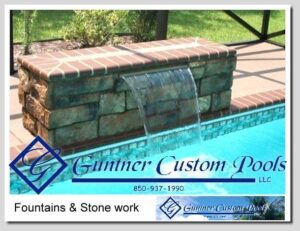
Two features live on the shelf itself. A bubbler is the most common one and belongs to the same conversation as any other pool fountain work, and pool lighting aimed across a shallow surface is what stops the shelf disappearing after dark. If a screen enclosure is going over the pool, the shade it casts changes which end of the shelf is usable in the afternoon.
Supply is statewide and dense. Orlando, Tampa and Naples carry the deepest rosters, along with Orange and Collier counties.
Shallow enough to lie in and deep enough to hold furniture, and the furniture makers publish the numbers that settle it. Tenjam, whose range is built for sun shelves and tanning ledges, rates its Freelo chair to stay in place in up to 11 inches of water, and its Laylo lounger to work in depths up to 18 inches with risers and weights, or 22 inches with eight-inch risers. So the order of decisions is: choose what will sit on the shelf, read that product's depth range, then give the number to the builder. Confirm it against the finished interior surface rather than the bare shell.
A sun shelf is a flat platform at a fixed shallow depth, usually at one end of the pool. A beach entry is a floor that slopes gradually from dry deck down into swimming depth, so there is no single depth and no flat area to put a lounger on. The practical difference is footprint: a beach entry consumes a great deal more of the pool's length to achieve the same gentle entry, which on a normal Florida lot is often the reason it does not get built.
One of the harder retrofits, and the cost is not where people expect. Building one into a finished pool means cutting into the shell, tying new steel into old, shooting the new floor and wall, and then refinishing across the joint, which in practice means refinishing the whole interior so the surface matches. That brings the pool's largest recurring expense forward into a job that sounded like a small addition. A shallow bench or a rework of existing entry steps is a much smaller intervention if the goal is somewhere to sit.
Not structurally, and there is a good maintenance argument for one. Circulation over a shelf is weaker than over the main body of the pool, so shallow water sitting still in Florida sun is where algae appears first, along with sunscreen, sand and leaf litter. A bubbler keeps that water moving and takes some of the heat out of it by aeration. The catch is timing: the plumbing goes in before the shell is shot, so it is a decision on the first drawing rather than a later addition.
Yes, and that is the honest trade nobody puts in a brochure. The shelf takes its area out of the pool rather than out of the deck. On a lot where the pool is already as long as the setbacks allow, a shelf shortens the part you swim in. For a household that uses the pool for sitting, cooling off and watching small children, that is a good exchange. For a household that swims lengths, it is a daily cost paid for an occasional benefit.
In August, yes. A few inches of water over a light interior finish in Florida sun warms quickly, which is pleasant in February and much less so at the height of summer. Two things help. A bubbler moves the water and aerates it, which takes heat out. Shade helps more, whether that is an umbrella in a sleeve set before the shell was shot, or the shadow a screen enclosure casts across one end of the shelf in the afternoon.
Start from the roster on this page and narrow by city; supply is dense statewide, since this is normal work in Florida rather than specialist work. The useful test is not whether a builder can do it but whether they ask the right question before drawing it. A builder who asks what is going to sit on the shelf, and sets the depth from that, is doing the job properly. One who draws a shelf without asking is leaving you with a furniture constraint you did not choose.
Still weighing it up? These are the choices most people compare with Sun Shelf Pool Builders in Florida.