
Pool builders by service
A pool deck is usually larger than the pool it surrounds, and it is the only surface in a Florida backyard that gets walked on barefoot in July. Colour decides how hot it gets; the base under it decides how long it stays flat. Below, the material choices, the barrier rule that catches re-decking, and the contractors who do this work.
337 listings here
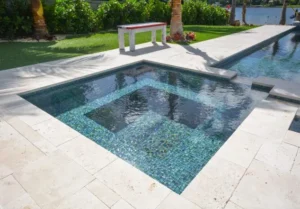
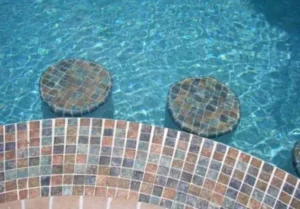
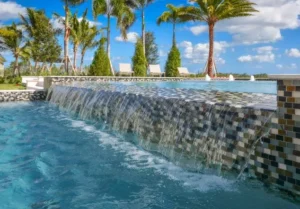
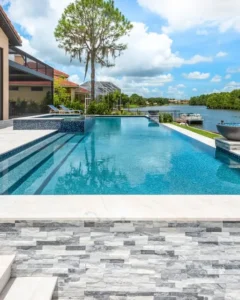
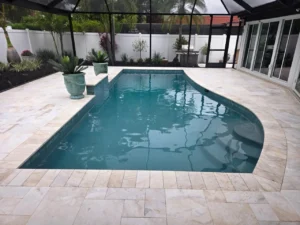
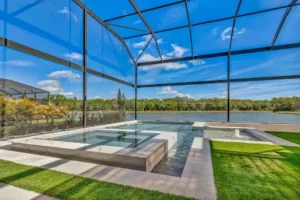
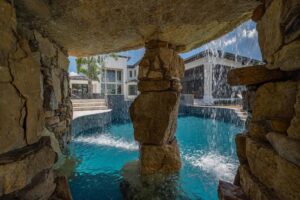
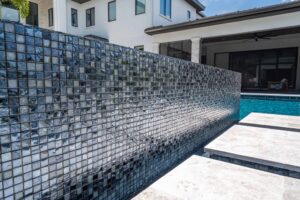
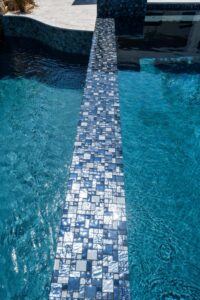
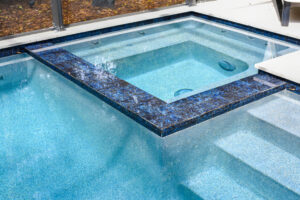
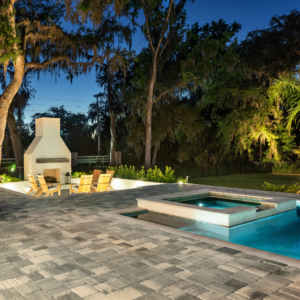
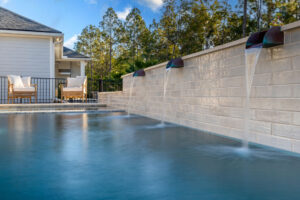
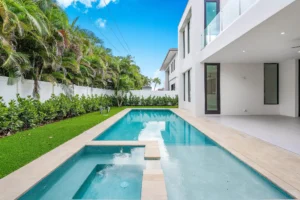
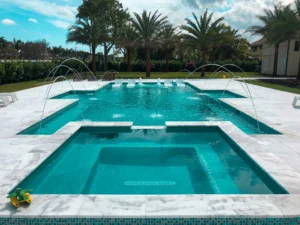
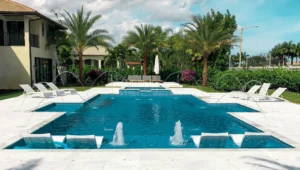
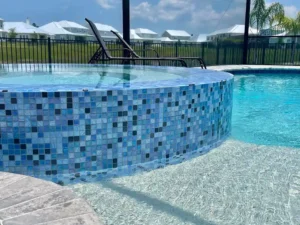
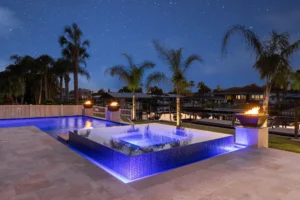
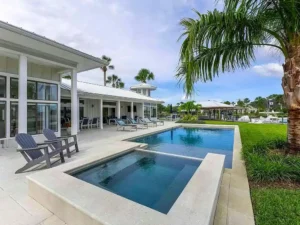
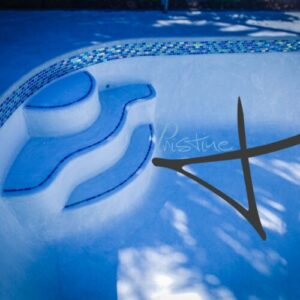
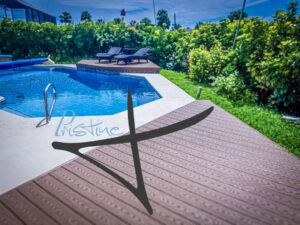
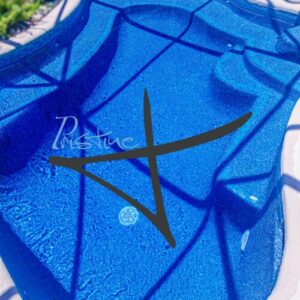
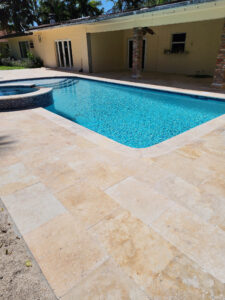
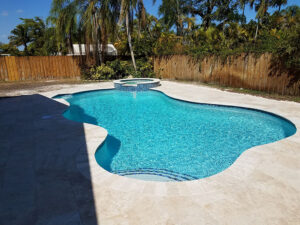
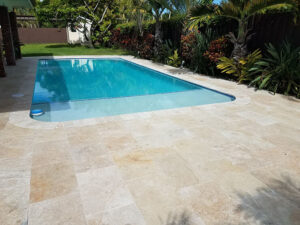
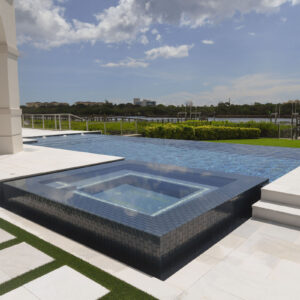
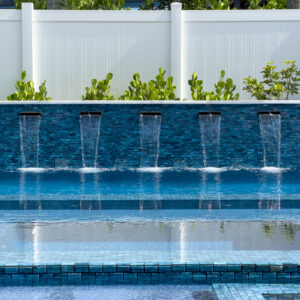
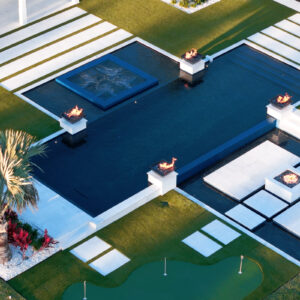
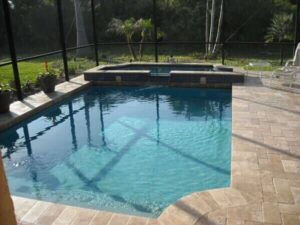
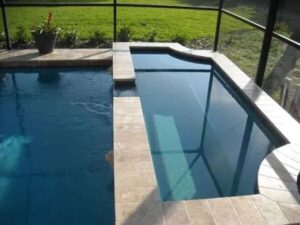
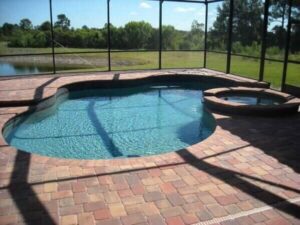
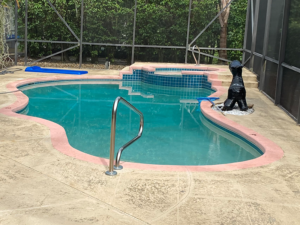
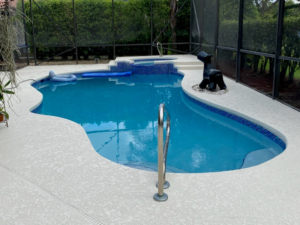
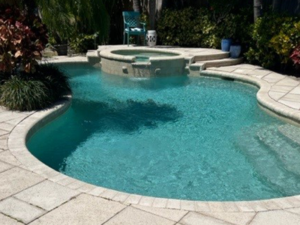
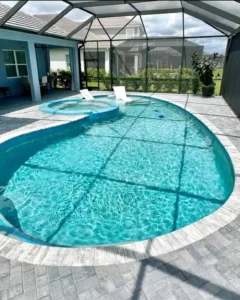
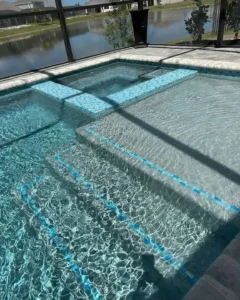
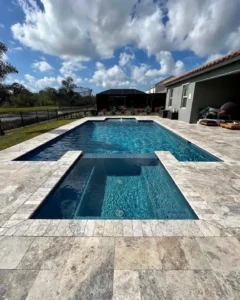
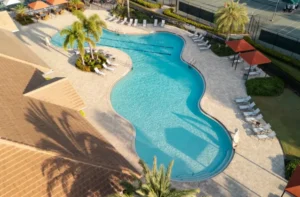
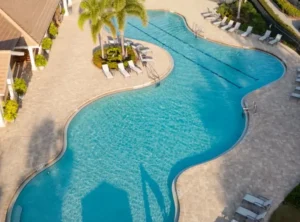
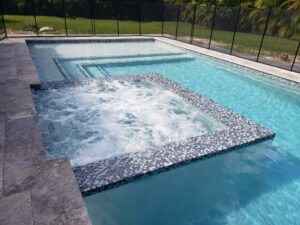
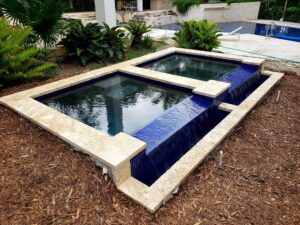
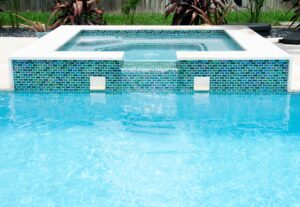
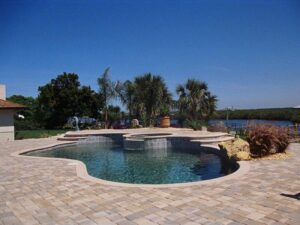
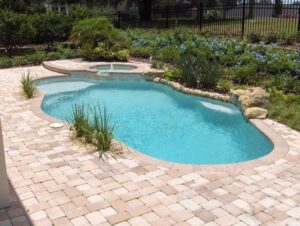
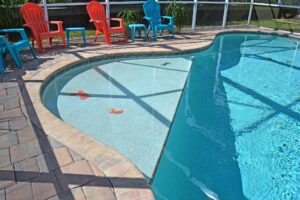
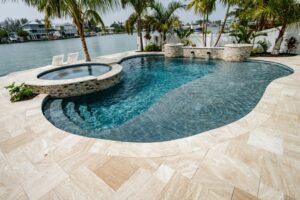
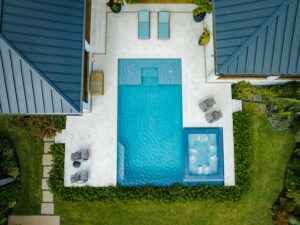
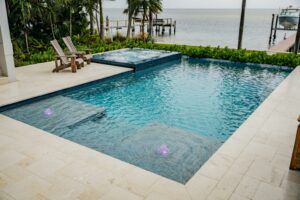
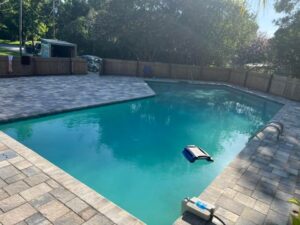
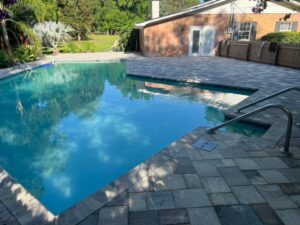
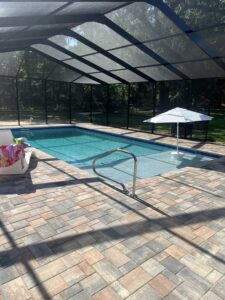
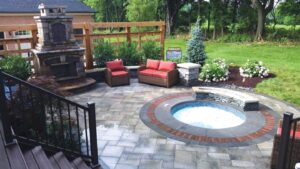
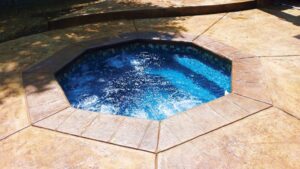
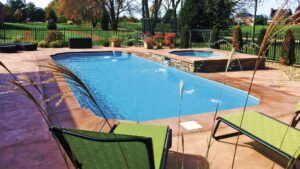
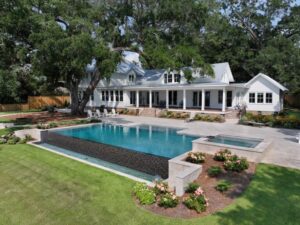
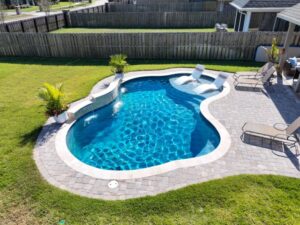
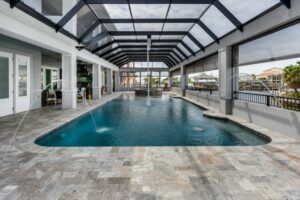
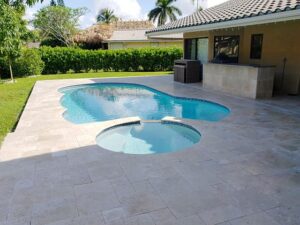
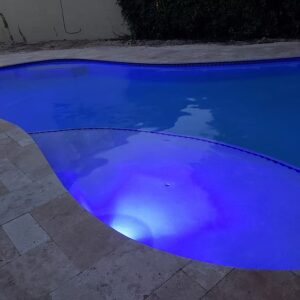
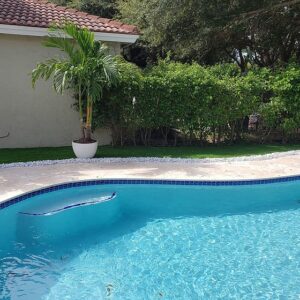
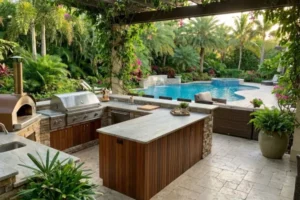
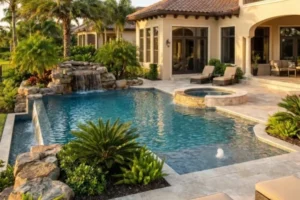
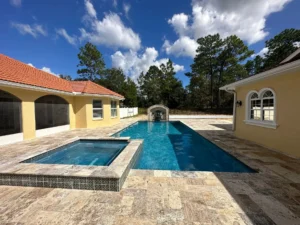
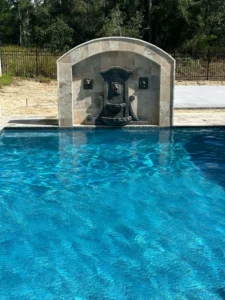
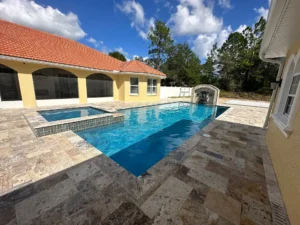
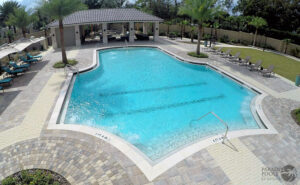
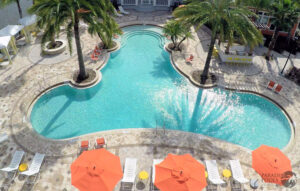
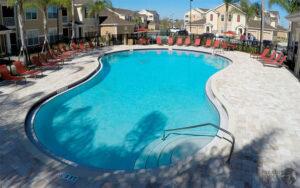
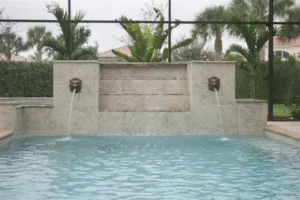
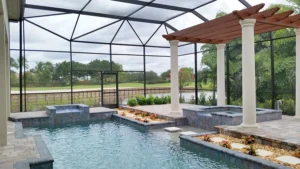
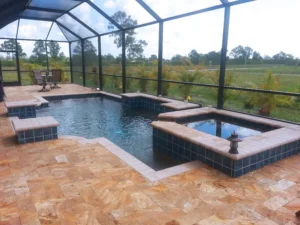
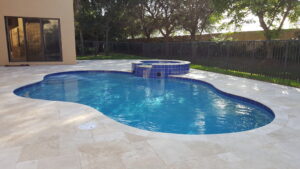
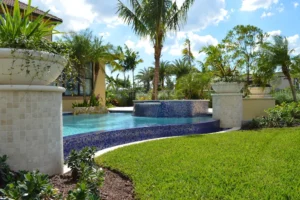
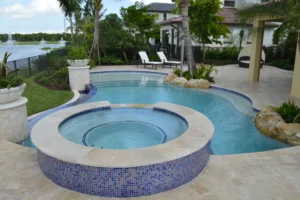
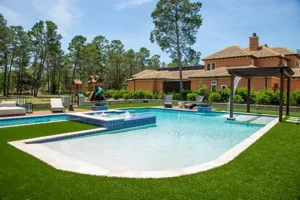
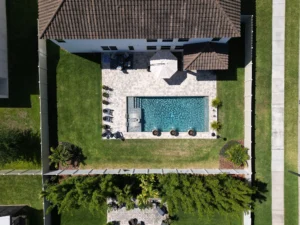
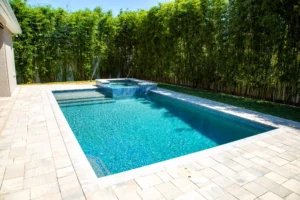
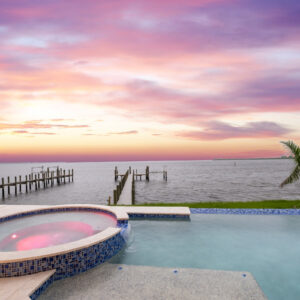
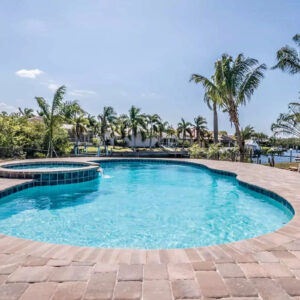
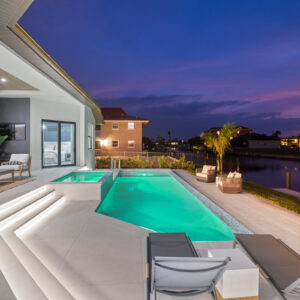
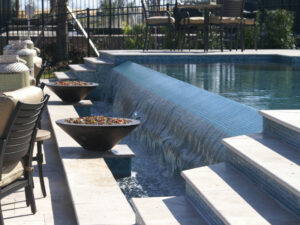
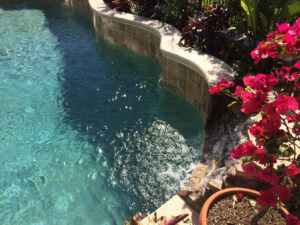
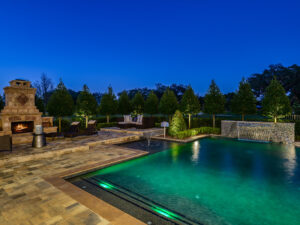
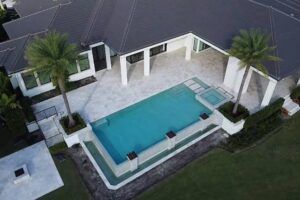
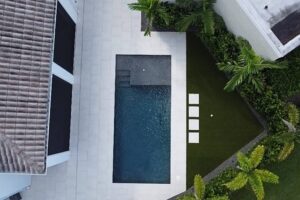
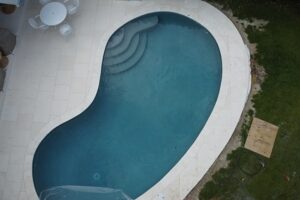
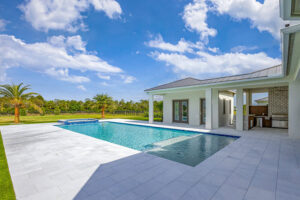
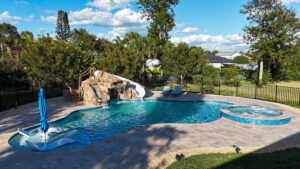
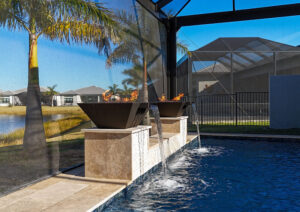
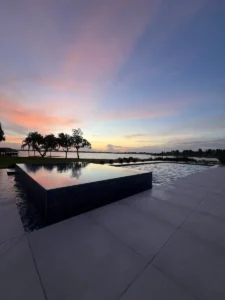
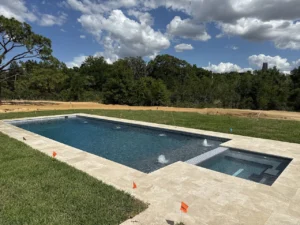
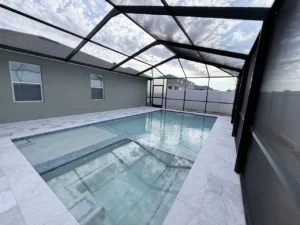
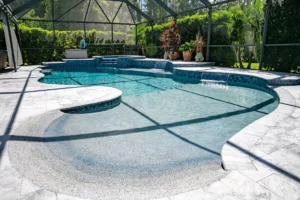
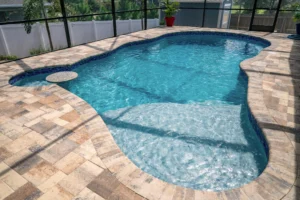
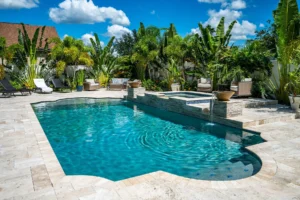
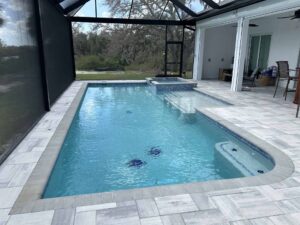
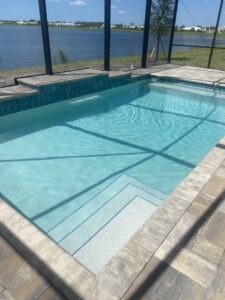
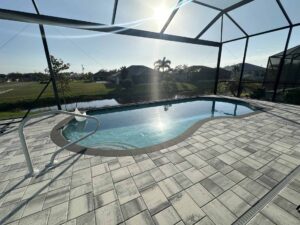
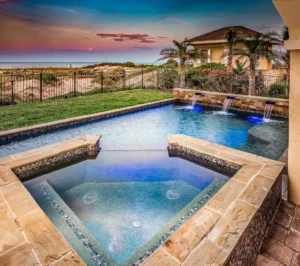
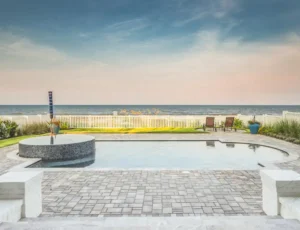
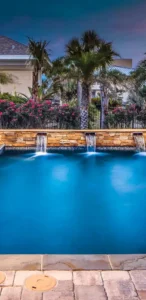
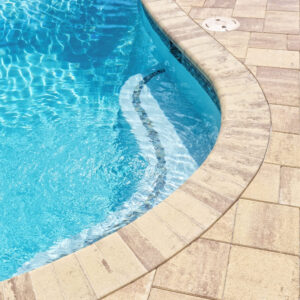
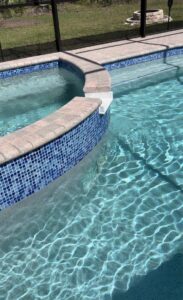
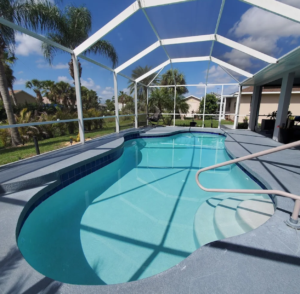
The pool deck is the part of the project people underestimate and then live on. It runs to more square footage than the water it surrounds, it takes the whole cost of the surround with it, and it is the only surface in the garden that gets walked on barefoot at two in the afternoon in July. Every choice on this page comes back to that last sentence.
A deck does structural work nobody mentions in a showroom. It caps the bond beam, it carries the coping that finishes the shell, it moves rainwater away from the pool rather than into it, and on a screened lot it carries the footers the cage is bolted to. Get the surface right and the wrong base underneath it, and you have a beautiful patio that lifts at the joints in year three.
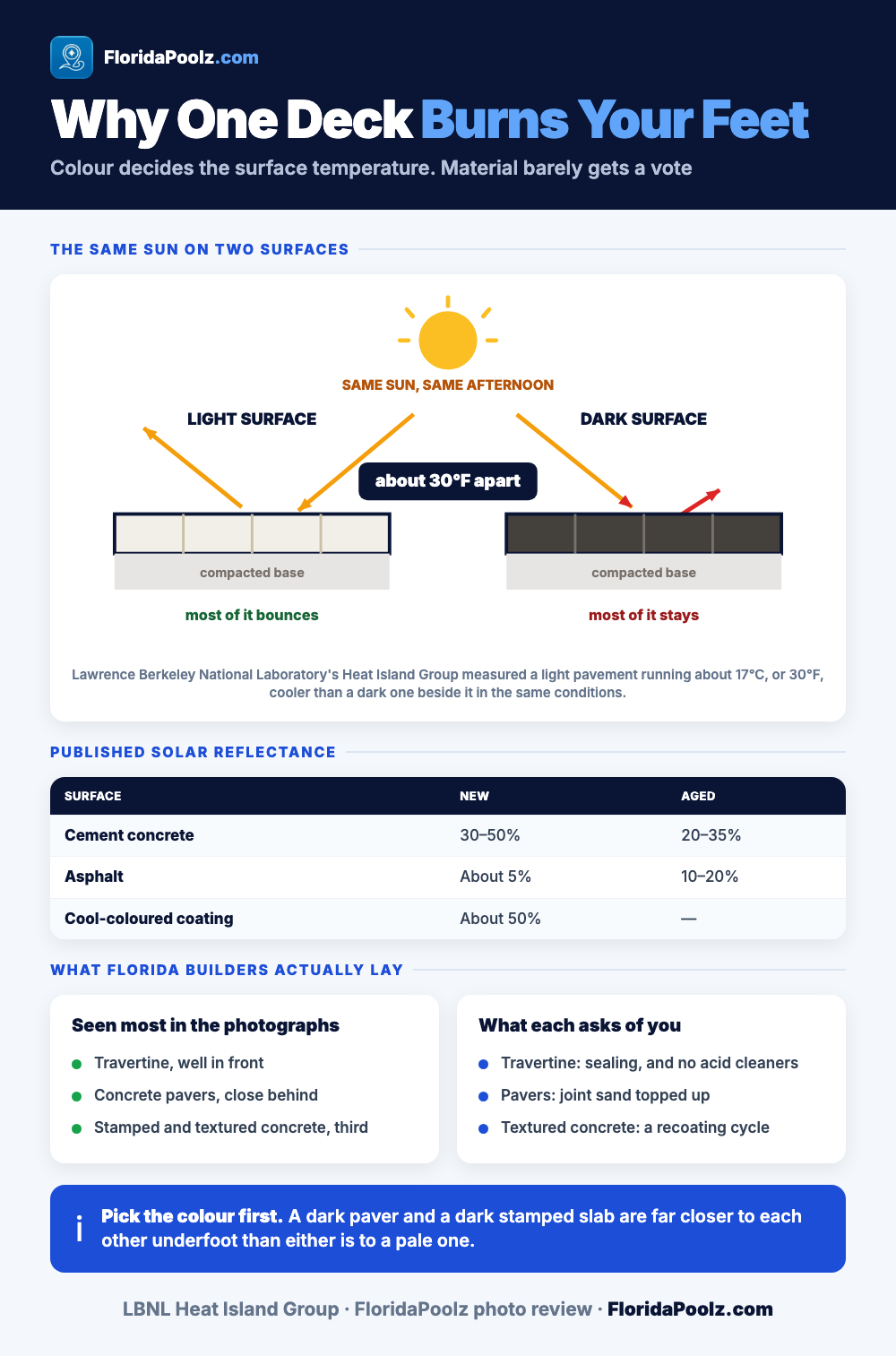
Colour matters more than material. The Heat Island Group at Lawrence Berkeley National Laboratory measured a light-coloured pavement running about 30°F cooler than a dark one alongside it in the same sun, and put new cement concrete at 30 to 50 percent solar reflectance against fresh asphalt's 5 percent. Nothing else you specify moves the surface temperature that far.
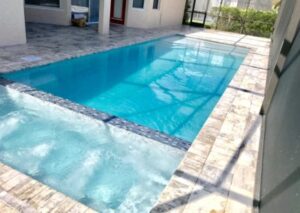
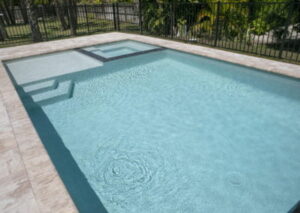
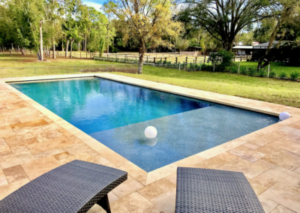
What Florida builders actually lay, judged from the photographs reviewed for this directory, sorts into three families with travertine well in front, pavers close behind, and textured concrete a distant third.
| Surface | Underfoot in August | What it asks of you | When it fails |
|---|---|---|---|
| Travertine | Coolest of the common three | Sealing, and a pH-safe cleaner | Etches under acid, pits on cheap stone |
| Concrete pavers | Depends entirely on colour | Joint sand topped up | Settles where the base was thin |
| Textured concrete | Warmest, and it is one slab | Recoating on a cycle | Cracks telegraph and cannot be lifted |
| Porcelain pavers | Cool, and dimensionally exact | A very flat base | Chips at the edge if laid badly |
The pavers-against-poured argument is not really about looks. A paver deck is a field of individual units on a compacted base, so a settled section lifts out, the base gets made good, and the same units go back down. A poured deck is one object: when it cracks it stays cracked, and a repair is visible forever. In a state where the ground moves and roots travel, that reversibility is worth more than it sounds.
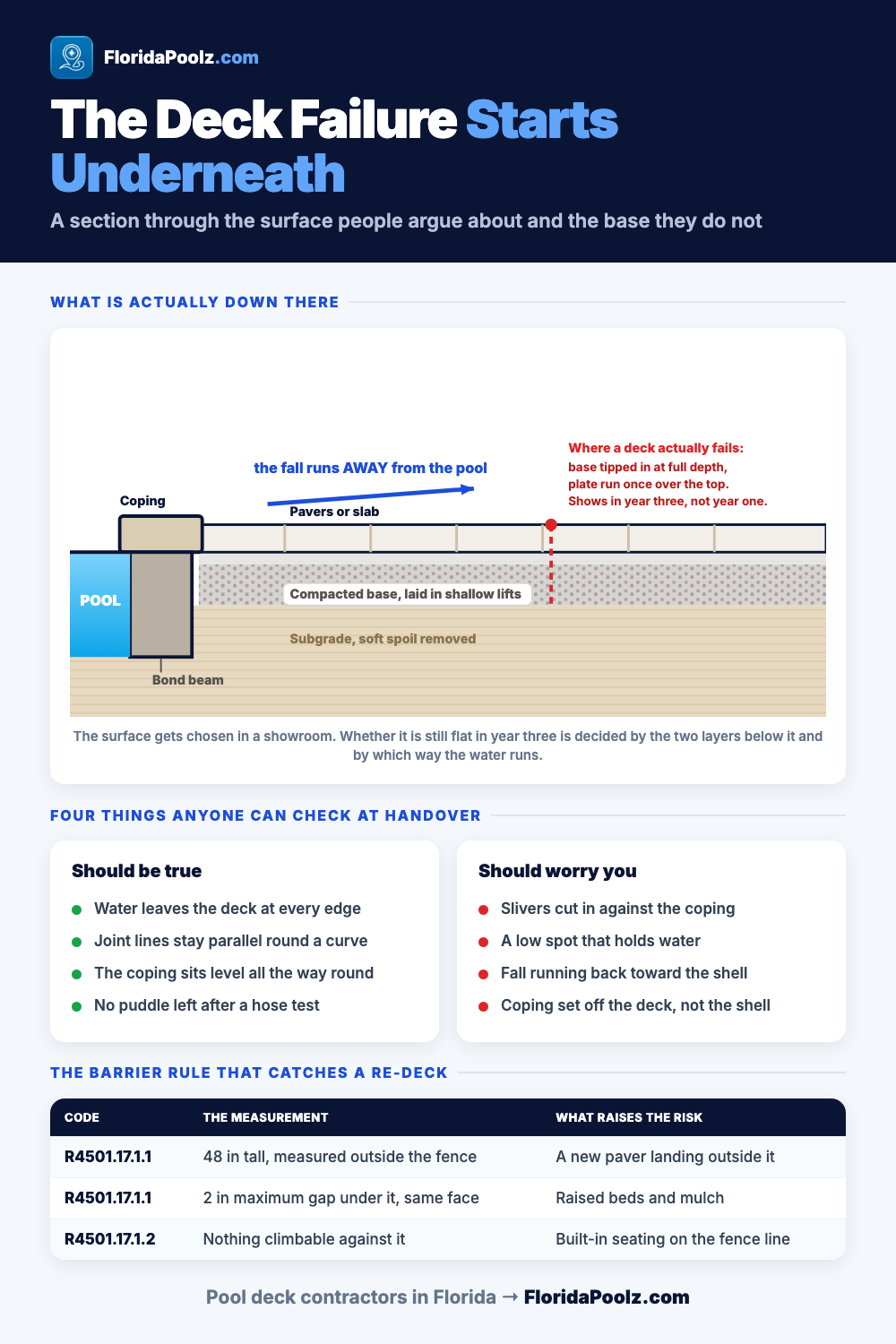
Almost every deck failure is a base failure wearing a surface's clothes. The sequence, once the shell is poured and the bond beam is up:
Two of those steps are where money gets saved invisibly. Compacting in shallow lifts takes longer than tipping the whole depth in and running a plate over the top, and the difference does not show until a summer of rain has been through it. Setting the coping off the shell rather than off the deck is what keeps the waterline straight around a radius.
The trade split matters here too. Deck work is often a separate crew and sometimes a separate contractor from the one who poured the shell, which is why the deck date and the water date are different questions to ask.
Stand at the edge of a finished deck and there are four things visible to anyone, no expertise required.
The tell that only shows later is the perimeter. Cut pieces at the edge of a paver field should be substantial, not slivers, A two-inch off-cut against the coping has nothing holding it, and it moves first. On a poured deck the equivalent tell is the control joints: too few and it cracks where it wants to, too many and the deck reads as a grid.
Drainage is the one worth a hose and ten minutes at handover. Water should leave the deck at every point on its perimeter. A deck that ponds is a deck that will stain, grow algae in the low spot, and push rainwater at the pool's chemistry every time it rains.
A new deck can quietly put a compliant pool barrier out of compliance, and this is the single most useful thing on this page for anyone resurfacing.
Under R4501.17.1.1 of the Florida Residential Code the top of a pool barrier has to be at least 48 inches above grade, measured on the side facing away from the pool, and the gap between grade and the bottom of the barrier may be no more than 2 inches, measured on that same outside face. Raise the ground on the outside of a fence with a new paver landing, a planter or a mulch bed, and both numbers move against you.
R4501.17.1.2 is the other one: the barrier may not carry gaps, indentations or structural components a young child could climb. A raised deck edge, a bench or a piece of built-in seating set against the fence line is exactly the thing that rule describes. Gates carry their own list under R4501.17.1.8, opening outward, self-closing, self-latching, with the release no less than 54 inches from the bottom of the gate.
These sit alongside chapter 515 of the Florida Statutes, the Residential Swimming Pool Safety Act, which is what the final inspection is run against.
Square footage does most of the work in a deck quote, and the square footage is usually bigger than people picture. The drivers behind it:
The two line items that get left out of comparisons are demolition on a resurfacing job and the drainage work on a lot that slopes toward the house. Ask for both to be named on the quote rather than assumed. A quote without them is not cheaper, only shorter.
A deck has no running cost and a real maintenance one, and the shape of it differs by surface. Pavers want joint sand topped up and a re-seal on a cycle. The units themselves last effectively forever, and a damaged one gets swapped. Travertine wants a sealer and a cleaner that is not acidic, since acid etches the stone and the damage does not polish out. Textured concrete coatings are a recoating cycle, and the recoat is a specialist job rather than a weekend.
Two Florida-specific costs are worth budgeting for. Organic staining is constant here, from oak tannin, leaf litter and whatever the irrigation is pulling out of the ground, and iron in well water leaves a rust bloom that no amount of pressure washing removes. Pressure washing itself is the slow killer: turned up, it strips the sand out of paver joints and the surface off soft travertine, which is how a deck starts moving.
Deck work is the most commonly listed service in this directory. Roughly three quarters of the builder profiles tracked here name decking among what they sell, which makes the claim close to useless on its own as a filter.
The photographs are the more useful evidence. Deck surfaces appear in about two and a half thousand of the images reviewed, spread across more than two hundred builders, and they show what each firm actually lays rather than what it lists. Travertine turns up most, then pavers, then stamped and textured concrete some way behind. A builder whose portfolio is all one material is not a worse builder. They are a builder with a supplier and a crew who know one material well, and that is worth knowing before you ask them to do something else.
A deck is rarely the only decision being taken. If a cage is going over it, the screen enclosure footers land in the deck and want to be set before the surface goes down rather than cored through it afterwards. If the outdoor living area is the point rather than the pool, pool patio contractors is the same trade under the name that covers the wider space. Shell choice sits upstream of all of it: gunite and concrete pools give a bond beam that coping is set off, and a fiberglass shell brings its own edge detail.
Supply is thick across the state. Tampa, Orlando and Miami carry the deepest rosters, and Hillsborough and Palm Beach are the densest counties for this work.
A textured coating, usually acrylic and cement based, troweled over a concrete deck to give a lighter colour and a rougher surface than bare slab. The cooling is mostly colour rather than magic, and the physics is the same one the Heat Island Group at Lawrence Berkeley measured on pavement: a light surface ran about 30°F cooler than a dark one in the same sun. It works. What it adds is a recoating cycle, since the coating wears where people walk and the recoat is a specialist job rather than a weekend one.
The real difference is what happens when something goes wrong. A paver deck is a field of individual units on a compacted base, so a settled area lifts out, the base gets made good, and the same pavers go back with no visible repair. Poured concrete is one object: a crack is permanent, and a patch is permanent too. Pavers cost more up front and ask for joint sand and sealing. Poured concrete is faster and cheaper on day one and less forgiving of ground that moves, which in Florida it does.
Yes, and this catches people resurfacing. The Florida Residential Code measures a barrier on its outside face: R4501.17.1.1 requires the top to be at least 48 inches above grade there, with no more than a 2-inch gap between grade and the bottom of the barrier. Anything that raises the ground on the outside of the fence, a paver landing, a planter, a bed of mulch, cuts into both. R4501.17.1.2 separately bans components a young child could climb, which is what a bench or a raised deck edge set against the fence becomes.
Light travertine and light-coloured pavers, in practice, and the reason is reflectance rather than the stone. New cement concrete reflects 30 to 50 percent of the sunlight hitting it against about 5 percent for fresh asphalt, and the Heat Island Group measured roughly a 30°F surface difference between a light and a dark pavement in the same conditions. Pick the colour first and the material second. A dark paver and a dark stamped slab are much closer to each other than either is to a pale one.
The units outlive the installation. Travertine and concrete pavers do not wear out in any normal timeframe, so what ages is the base beneath them, the joint sand between them and the sealer on top. A poured deck's life is set the day it is poured, by the base under it and the control joints cut into it. The most common thing that shortens either is pressure washing turned up too high, which strips joint sand out of pavers and the surface off soft stone.
Most pool builders list deck work, so the listing itself does not narrow much. The photographs do. Look for a portfolio with the material you want in it, laid around a curve rather than in a rectangle, and ask two questions: whether the deck crew is in-house or subcontracted, and whether the coping is set off the shell before the field goes down. Both answers tell you more than a price does.
On travertine, yes, and on pavers it is a judgement call. Sealer on stone slows staining from oak tannin, leaf litter and iron in well water, all of which are constant in Florida, and it makes the surface easier to clean rather than making it clean itself. On pavers the sealer's main job is holding joint sand in place. Sealer is not a repair. It locks in a stain that was there first, so cleaning happens before sealing, always.
Still weighing it up? These are the choices most people compare with Pool Deck Contractors in Florida.