
Hillsborough County
West Shore Pools & Outdoor Living, LLC
Verified
7.1
FloridaPoolz Score
DBPR verified
Since 2025
Pool builders by county
Pool builders serving Hillsborough County. Only three cities inside the county run their own permitting, so most addresses here answer to one county office. Start with the shortlist, then read which desk has yours.
36 listings here 36 based here
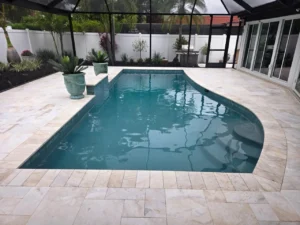
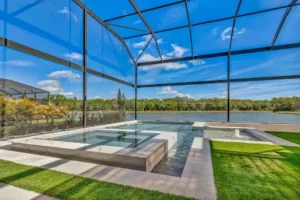
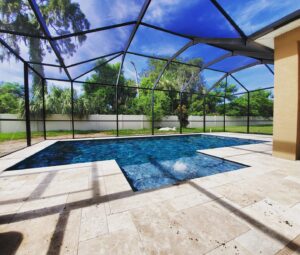
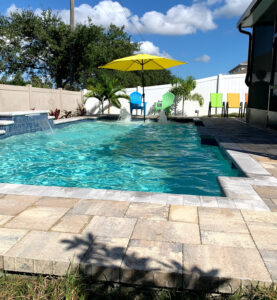
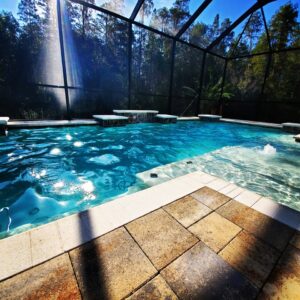
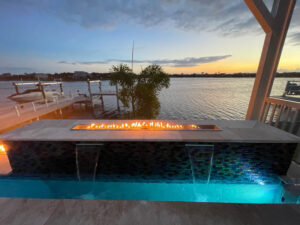
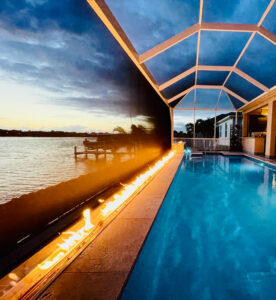
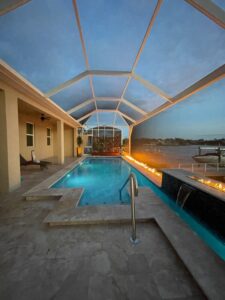
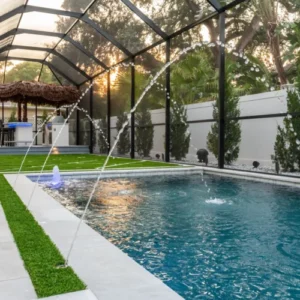
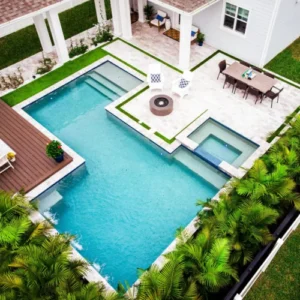
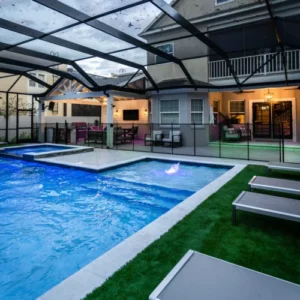
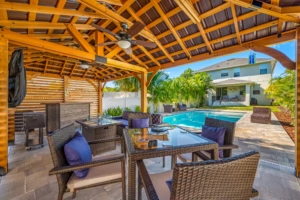
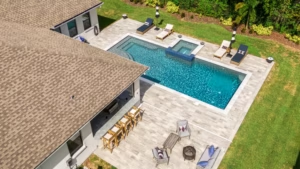
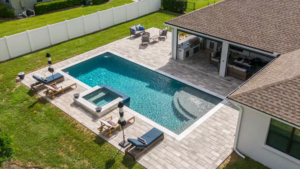
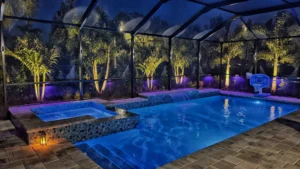
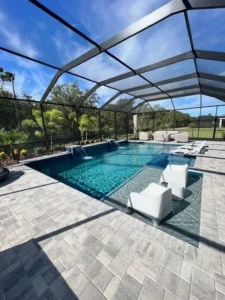
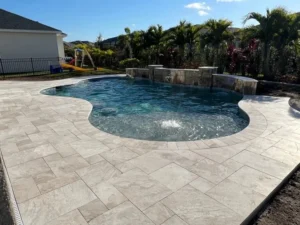
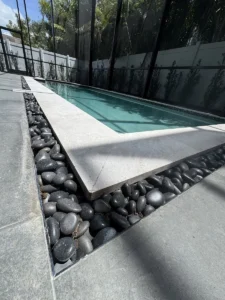
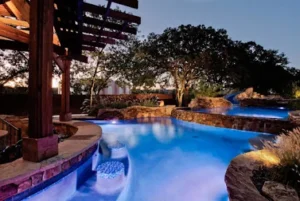
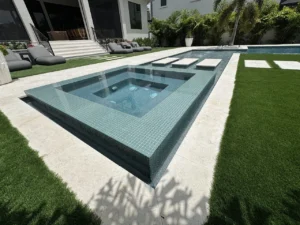
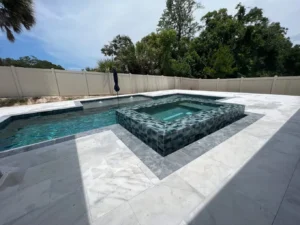
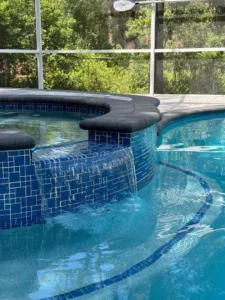
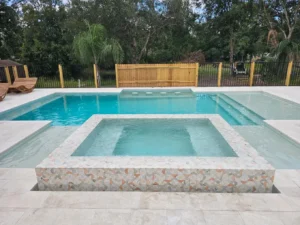
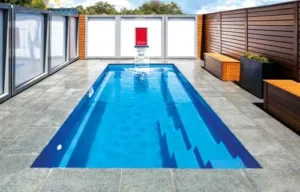
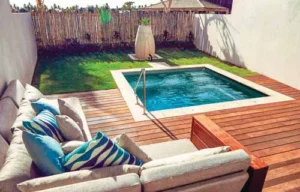
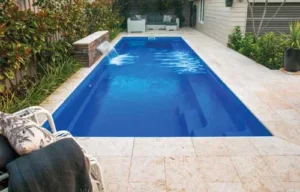
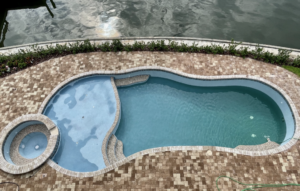
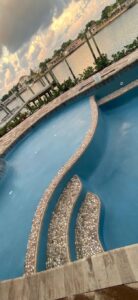
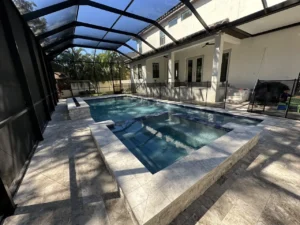
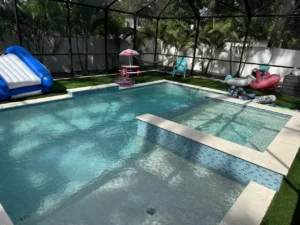
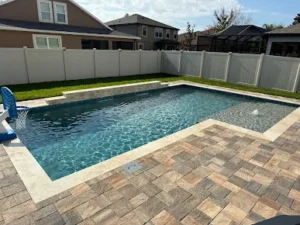
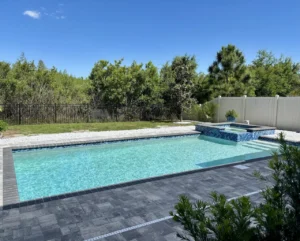
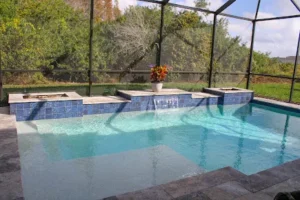
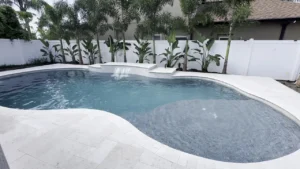
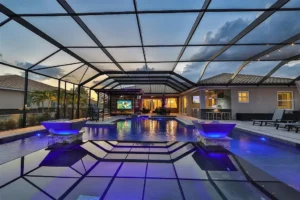
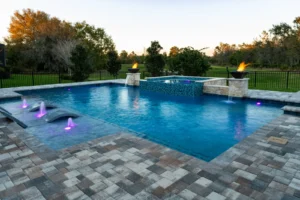
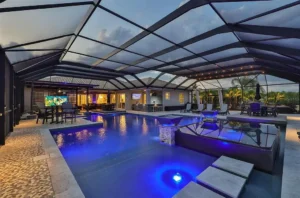
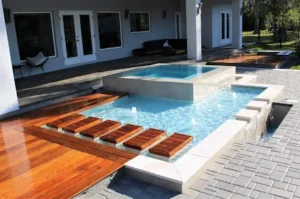
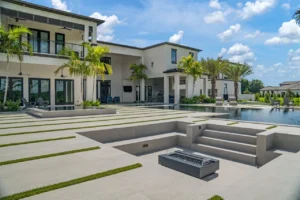
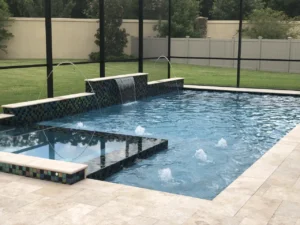
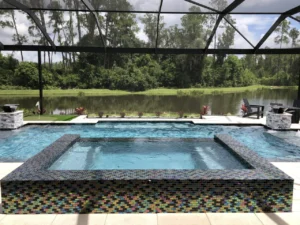
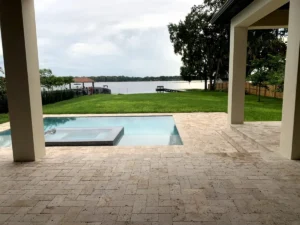
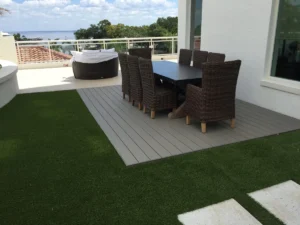
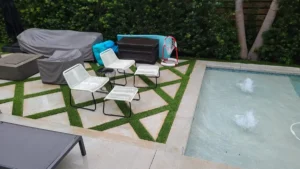
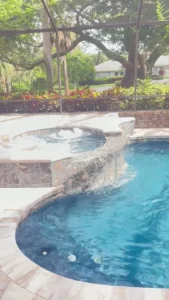
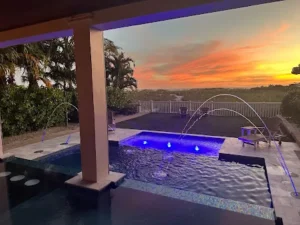
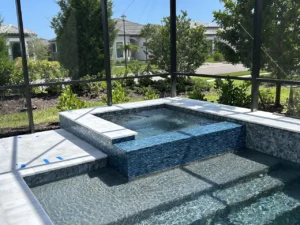
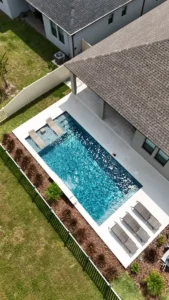
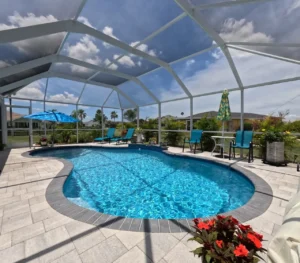
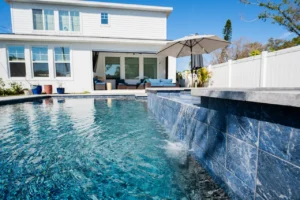
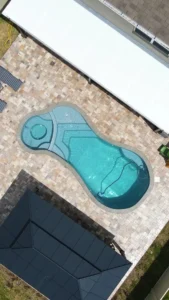
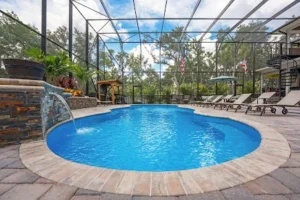
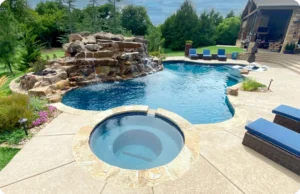

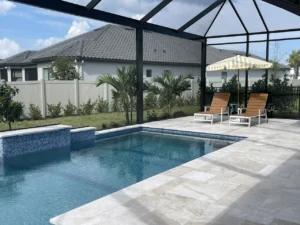
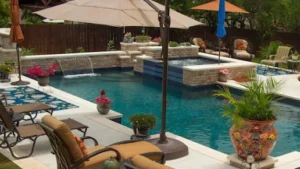
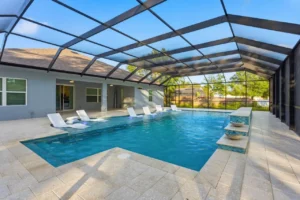











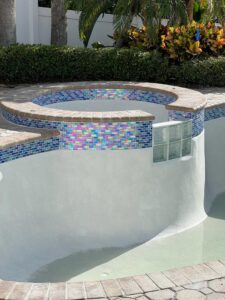
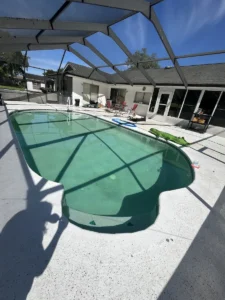
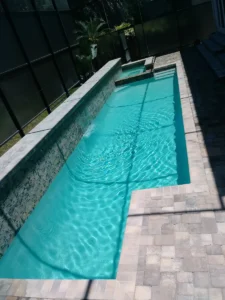
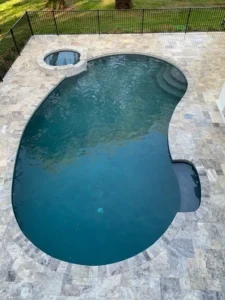
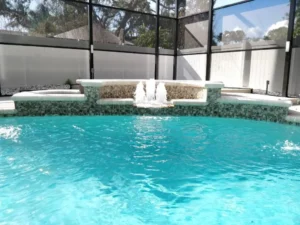
These pool builders are not based in Hillsborough County and don't emphasize their services here, but they've shown they work here, too — so check them out, too!
Tell us what your dream pool is all about, and where do you want it. We'll do our best to find a professional pool builder for your project.
Hillsborough is unusual for a county this size: it holds only three incorporated cities, so a very large share of the population lives in unincorporated land that answers to one county office. Brandon alone is a community of well over a hundred thousand people with no city building department of its own.
| Where the lot sits | Who reviews the pool plans |
|---|---|
| Unincorporated — Brandon, Riverview, Town 'N' Country and the rest | The county's Development Services Department |
| Tampa | The city's Construction Services Division |
| Temple Terrace, Plant City | Each city's own building division and portal |
Unlike Orange County’s patchwork of building departments, Hillsborough County has only three incorporated cities inside it — everywhere else, including large, well-known communities like Brandon, Riverview, and Town ‘N’ Country, is unincorporated and falls under Hillsborough County’s own Development Services Department. That is a bigger share of the county’s population than “unincorporated” might suggest: Brandon alone is a community of well over 100,000 people with no city government or city building department of its own, so every one of its residents applies for permits through the county rather than a city.
The three cities that do run their own building departments are the City of Tampa, Temple Terrace, and Plant City.
Tampa’s Construction Services Division is the largest of the three by a wide margin, but Temple Terrace maintains a full Building Division of its own — permitting, inspections, and contractor registration, through its own online portal — and Plant City’s Building Division reviews applications through a separate online permitting system as well. If your property sits inside any of these three cities’ limits, your permit goes through that city, not the county, regardless of what unincorporated territory happens to surround it.
Plenty of unincorporated Hillsborough County addresses carry a Tampa, Brandon, or Plant City mailing address without actually sitting inside that city’s limits, so the address on an envelope is not a reliable way to figure out which office has jurisdiction.
Hillsborough County’s Development Services Department processes applications for the unincorporated county through its own permitting and records systems; property inside Tampa, Temple Terrace, or Plant City instead goes through that specific city’s own portal. Confirming which side of that line a property falls on, before applying anywhere, is the one step that avoids the most wasted time.
A second-degree misdemeanor is the technical exposure for skipping this, under Florida’s Residential Swimming Pool Safety Act (Chapter 515, Florida Statutes) — though the law gives an owner a way out: adding a qualifying safety feature and completing a drowning-prevention course within 45 days of a citation clears it.
The feature itself just needs to be one of a handful of approved options: a barrier at least 4 feet high with no climbable gaps or footholds, a certified safety cover, exit alarms rated at least 85 decibels at 10 feet on any door or window with direct pool access, self-closing and self-latching door hardware with the release set at least 54 inches up, or a certified pool alarm. This requirement doesn’t change depending on which of Hillsborough’s building departments reviewed the permit — it is state law, not local policy.
Chapter 489 of the Florida Statutes puts contractor licensing under the state’s Department of Business and Professional Regulation, not any city or county office — a Certified Pool/Spa Contractor (CPC) or Certified Building Contractor (CBC) license is valid anywhere in Florida, Hillsborough County included.
Florida law also gives property owners a second path for plan review and inspections: hiring a licensed “private provider” — a certified building code administrator, engineer, or architect — directly, instead of relying solely on the local building department’s own review queue. A private provider cannot inspect work they designed or built themselves, and the local building official still keeps final say and can step in on anything safety-related, but for an owner trying to move faster than a standard queue, it is a real, legal option in Tampa, Temple Terrace, Plant City, or unincorporated Hillsborough alike.
Homeowners researching a pool in Hillsborough County tend to ask more process-and-paperwork questions than pure cost questions, and that tracks with how the county’s permitting system actually works: applications, inspections, and permit status all run through online systems, and a fair number of questions are really just people trying to figure out where their own application currently sits rather than what to expect in general. That instinct makes sense — permit status lookups exist precisely so an applicant does not have to call the county to find out.
A pool project in Hillsborough County rarely stays a single, isolated permit, either. Pavers, a screen enclosure, an electrical run for equipment, sometimes a roof repair from the same construction crew — each of those can trigger its own separate permit alongside the pool permit itself, and homeowners who assume one application covers the whole project are usually the ones surprised by a stop-work notice partway through. Confirming with your contractor, up front, exactly which permits your specific project needs, not just the pool itself, avoids that.
There is also a noticeably specific level of interest here in the exact language of Florida’s pool barrier law — not just whether a fence is required, but the actual barrier specifications under Chapter 515 of the Florida Statutes: a minimum 4-foot height, no gaps or footholds a small child could use to get over or through it, self-closing and self-latching gates that swing away from the pool. That is a good instinct to have, because a barrier that technically exists but does not meet those specifics is one of the more common reasons a final inspection gets held up rather than passed on the first visit.
On the vetting side, Hillsborough County government maintains its own channel specifically for reporting unlicensed contractor activity, separate from the state-level DBPR complaint process — and the county’s own guidance to residents is direct about the limits of what happens if something goes wrong with an unlicensed hire: there is little the county or state can do to help after the fact. That is the practical reason confirming a contractor’s license before signing anything matters more than trying to fix a problem after the money is already spent.
Most of this applies whether your project is in Brandon, Riverview, or another unincorporated community that makes up the bulk of the county’s population, or inside Tampa, Temple Terrace, or Plant City proper — the permitting mechanics differ by which office is involved, covered in the Permits tab, but the underlying questions homeowners are actually working through stay the same either way.
Yes, statewide — an in-ground pool, and most above-ground pools, require a building permit before work starts anywhere in Florida, including every part of Hillsborough County. Which office issues it, the county's Development Services Department or one of the three city building departments, depends on your specific address.
Timelines depend heavily on which office is reviewing your application and how busy that office is when you apply, but straightforward residential permits generally move faster than commercial ones. Applying with a complete set of documents the first time, rather than in pieces, is the biggest factor an applicant actually controls.
Permit fees are set locally rather than by the state, so the fee schedule differs depending on whether your project falls under Hillsborough County, the City of Tampa, Temple Terrace, or Plant City, and the total also depends on how many separate permits your project needs (building, electrical, and often a distinct pool/spa permit). The relevant building department's own published fee schedule is the only reliable source for your specific number.
Usually yes. Pavers, screen enclosures, and equipment-related electrical work are commonly permitted separately from the pool shell itself, even when the same contractor handles all of it — confirm with your contractor which permits your specific project requires before construction starts, rather than assuming one permit covers everything.
Florida law allows a property owner to hire a licensed private provider — a certified building code administrator, engineer, or architect — to handle plan review or inspections instead of relying solely on the local building department's own queue. It is optional and does not replace any code requirement, but it is a legal option available whether your permit falls under Hillsborough County or one of its cities.
The county's online permitting systems let you look up an application's status directly rather than calling in, and the City of Tampa, Temple Terrace, and Plant City each maintain their own separate lookup for permits filed with them specifically — checking the right one depends on which office actually issued your permit.
Not necessarily — a large share of addresses with a Tampa, Brandon, or Plant City mailing address sit in unincorporated Hillsborough County rather than inside any city's actual boundary. The building department for whichever jurisdiction you are actually in, confirmed directly rather than assumed from your mailing address, is the one with authority over your permit.
Check the contractor's CPC or CBC license status directly through DBPR's online license lookup rather than taking their word for it. A Business Tax Receipt, which plenty of unlicensed operators also hold, only proves they are registered to do business locally; it is not a substitute for an active state contractor license, so it is worth asking to see the actual license number rather than a business card or truck decal.
If you didn't find a pool builder for your Hillsborough County passion project here, check out the neighbours: professional pool builders usually don't mind travelling a few miles to help new customers with the most exciting projects.