
Pool builders by county
Pool builders serving Palm Beach County. Most addresses here are inside an incorporated city, so a city hall rather than the county reviews the plans. Start with the shortlist, then confirm which municipality has your lot.
47 listings here 43 based here
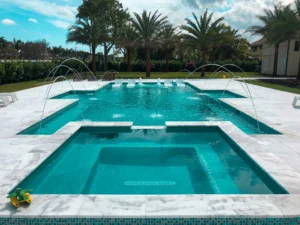
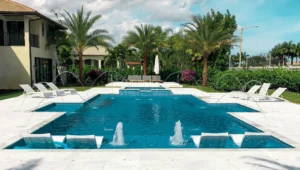
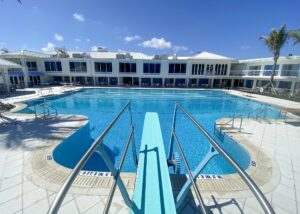
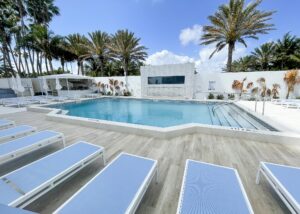
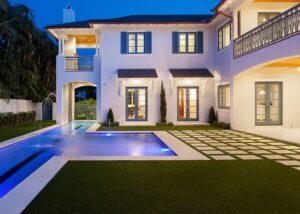
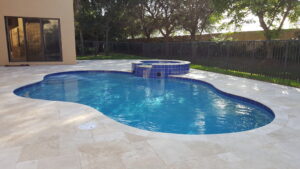
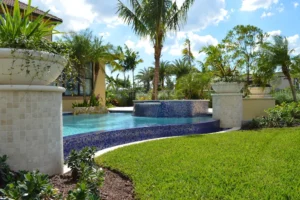
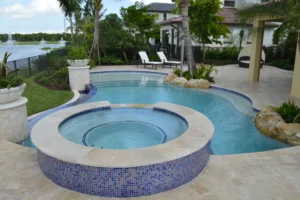
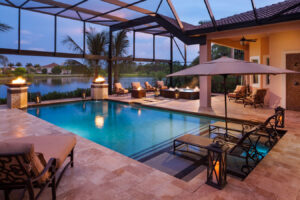
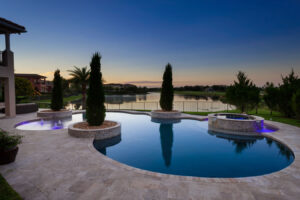
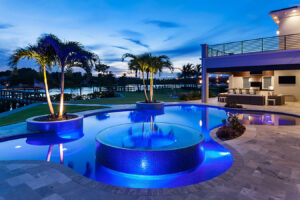
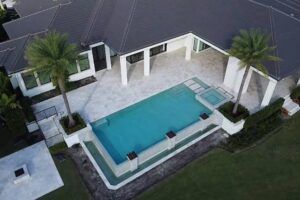
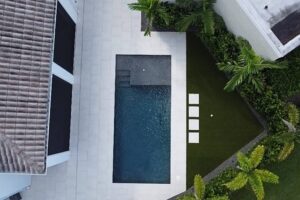
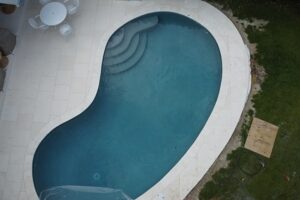
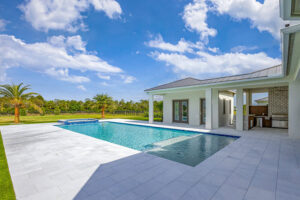
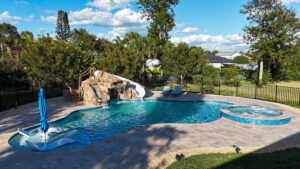
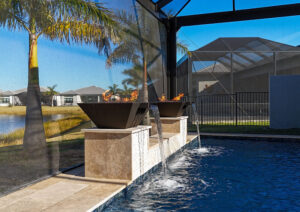
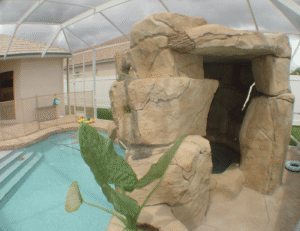

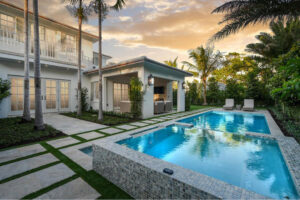
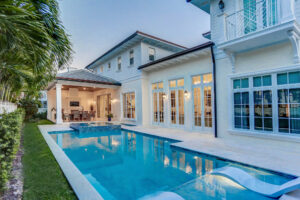
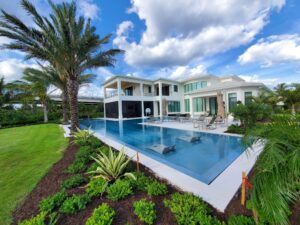
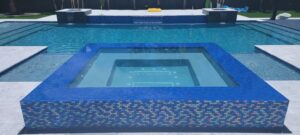
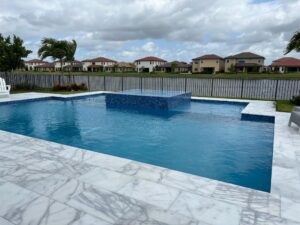
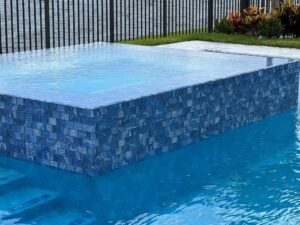
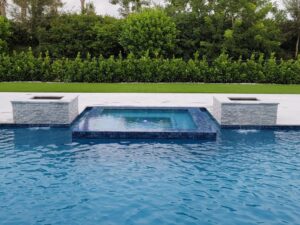
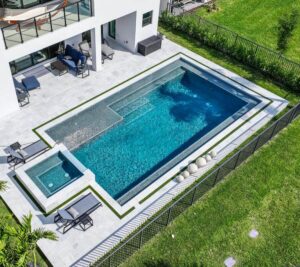
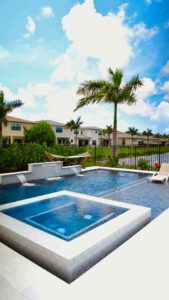
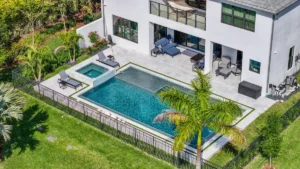
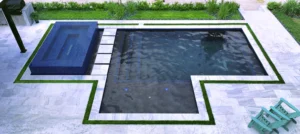
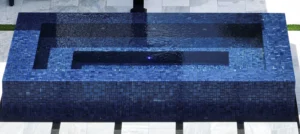

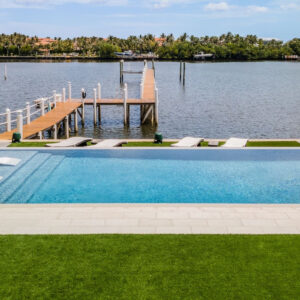
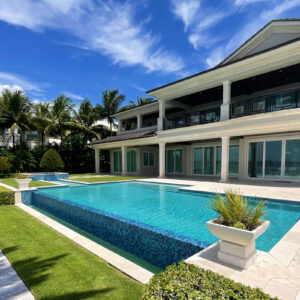
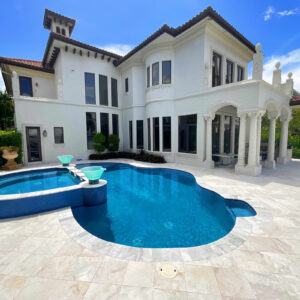
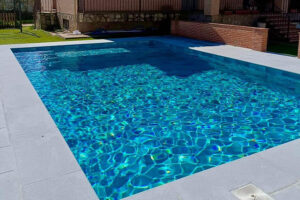
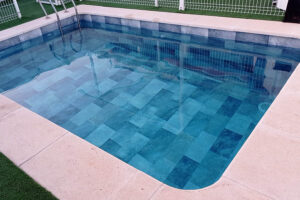
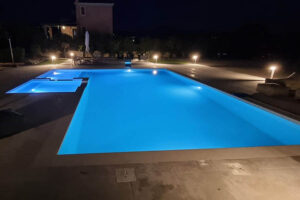
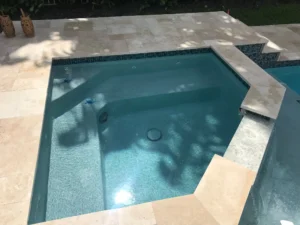
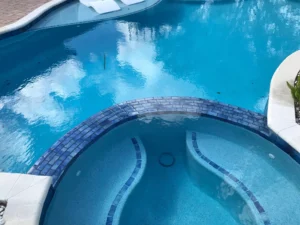
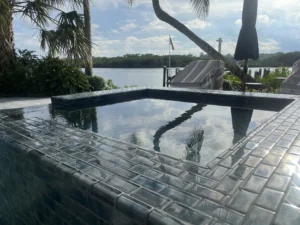
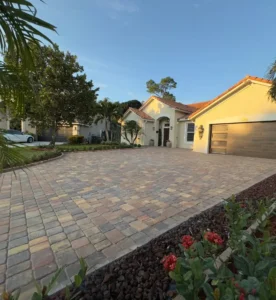
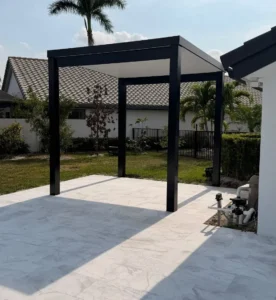
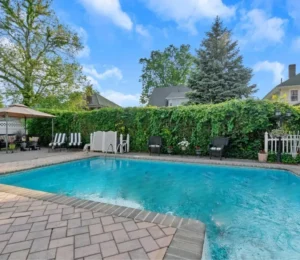
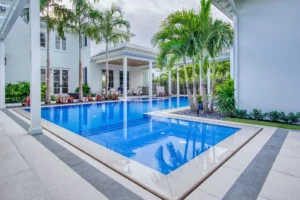
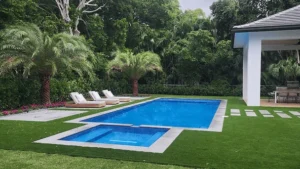
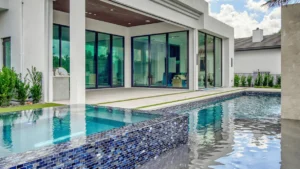
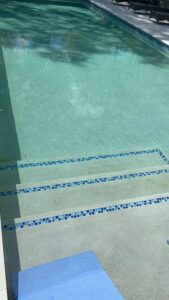
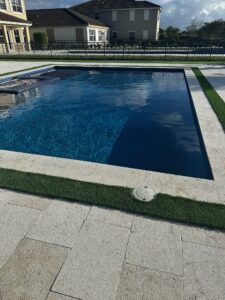
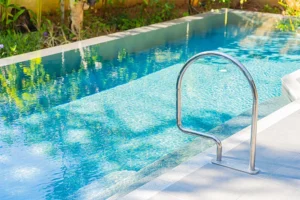
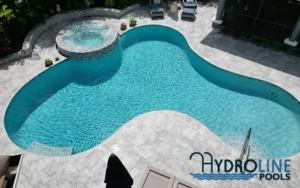
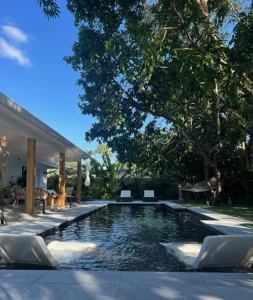
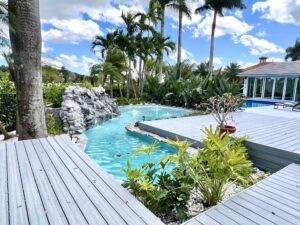
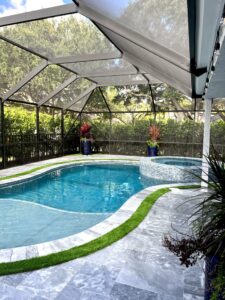
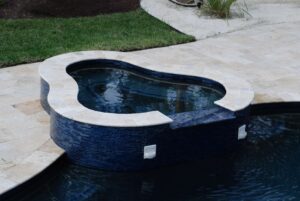
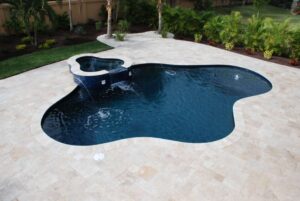
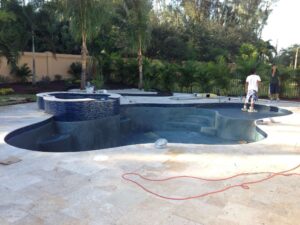





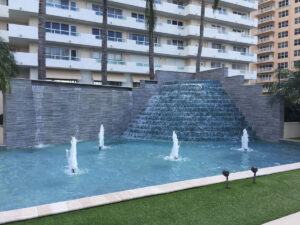
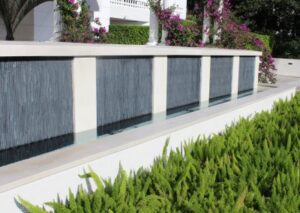
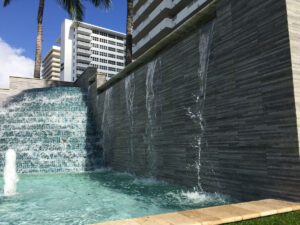













These pool builders are not based in Palm Beach County and don't emphasize their services here, but they've shown they work here, too — so check them out, too!
Tell us what your dream pool is all about, and where do you want it. We'll do our best to find a professional pool builder for your project.
Palm Beach County is large and mostly incorporated, which flips the usual assumption. The county's own building division has direct authority over unincorporated pockets only, and most residents do not live in one of them.
| Where the lot sits | Who reviews the pool plans |
|---|---|
| Any of dozens of incorporated cities and towns | That municipality's own building department |
| West Palm Beach | Development Services Building Division |
| Unincorporated pockets only | The county's Planning, Zoning and Building division |
Palm Beach County is large and mostly incorporated: dozens of separate cities and towns each run their own building department, and the county’s own Planning, Zoning & Building Building Division has direct permitting authority only over unincorporated pockets of the county, not the incorporated areas where most residents actually live. West Palm Beach’s Development Services Building Division and Boca Raton’s Building Department are two of the larger examples — both process their own plans, permits, and inspections from start to finish, on their own systems, entirely separate from the county’s ePZB portal.
Delray Beach, Boynton Beach, Jupiter, and most of the county’s other incorporated municipalities generally follow the same pattern: their own department, their own portal, their own review queue. The county office is the exception that applies to unincorporated land, not the default everyone can assume applies to them.
With this many separate departments in one county, “who do I even call” is a genuinely common point of confusion for homeowners here — more so than in smaller Florida counties with only a handful of incorporated cities.
The county property appraiser’s office publishes a directory mapping individual municipalities to their own permitting departments for exactly this reason. Before a contractor pulls a permit (or before a homeowner attempts to owner-permit), confirming whether the property sits inside a specific city’s limits or in unincorporated county territory is the step that determines which office, which fee schedule, and which review timeline actually apply.
Regardless of which department issues the permit, Florida’s Residential Swimming Pool Safety Act (Chapter 515, Florida Statutes) applies the same way across every jurisdiction in Palm Beach County. Before a new pool can pass final inspection, it needs at least one approved safety feature:
Most homeowners meet this with a compliant fence, though the statute treats any one of the listed options as sufficient. Skipping it carries a real penalty — a second-degree misdemeanor — though a homeowner cited for it can generally clear that by adding a safety feature and completing a drowning-prevention course within 45 days.
Pool construction is a licensed trade statewide under Chapter 489 of the Florida Statutes, administered by the Department of Business and Professional Regulation. The relevant license is a Certified Pool/Spa Contractor (CPC), or in some cases a Certified Building Contractor (CBC) credential covering a broader scope that includes pools.
Both are state-issued, meaning a licensed contractor working in Boca Raton is equally licensed to work in Wellington, Delray Beach, or unincorporated county land — no separate Palm Beach County pool license exists on top of it. DBPR’s public lookup tool shows license status and any disciplinary record directly, and it’s worth checking before signing anything, given how many contractors are competing for business across this market.
Once the correct office is identified, the process itself looks similar everywhere in the county: a contractor or owner-permitting homeowner submits a site plan and construction documents, the plans go through a review cycle before a permit is issued, and a series of inspections — steel and pre-deck, electrical bonding and grounding, a pressure test on the pool piping — happen at set stages before a final inspection closes the permit out. Review speed depends on how busy that particular department is when the application comes in, and with this many separate offices each running its own queue, timelines can vary noticeably even between two nearby cities — worth asking a contractor about their recent experience with the specific department that will handle your project.
Cost is where most searches here start, and the answer moves on shell type before anything else, then on size, site preparation, screening and the extras added before signing.
That tracks with what actually gets built in this market: Palm Beach County’s pool searches skew toward larger, more finished projects — sizes like 15-by-30 come up specifically — rather than the smaller, budget-first builds more common in less coastal parts of the state. Even so, “affordable” and “fiberglass” searches show up right alongside that — this isn’t a market where everyone is chasing the top end, and plenty of homeowners here are comparison-shopping on price with the same care as anywhere else.
What stands out more than cost, though, is how much of the local search activity is reputation research on named companies rather than generic category terms.
People aren’t just searching “pool builder” — they’re searching specific company names alongside the word “reviews,” comparing established local builders against each other by track record before they ever request a quote. That fits a market with a long list of established players competing for the same homeowners, where the harder problem isn’t finding a contractor, it’s narrowing a long list down to one worth calling.
Boca Raton draws a disproportionate share of the county’s search volume on its own, distinct from the broader “Palm Beach County” searches, and it’s common for that activity to blend with searches for Miami-area pool builders — a sign that homeowners near the county’s southern edge are often comparing options across the Miami-Dade line rather than treating Palm Beach County as a self-contained market. That kind of cross-shopping is far less visible further north in the county, where West Palm Beach and Jupiter-area searches stay more contained to local and countywide options.
Permitting questions follow a self-service pattern here too, but the underlying reason is different from a smaller county: with dozens of separate municipal building departments inside one county, homeowners are frequently searching for permit lookups by address, by owner, or through a specific city’s own portal, because there’s no single countywide system to check first. That search pattern is less about curiosity and more about a real practical problem — figuring out which of many possible departments to even search in the first place, which is exactly the jurisdiction question covered in the Permits tab above.
That same price range splits into two fairly distinct groups rather than clustering in the middle: searches for round and above-ground pool costs sit alongside the larger custom-size questions, which suggests Palm Beach County’s market serves both a budget-conscious buyer and a much larger custom-build buyer without much overlap between the two. Contractors here likely need to be ready to answer very different first questions depending on which of those two homeowners just called.
Put together, the picture here is a market defined by scale and choice rather than scarcity: more established contractors to vet, more permitting offices to sort through, and a homeowner base doing more comparative homework — on price, on company reputation, and occasionally across county lines — before committing to a project that, on average, costs more here than it does in most of the rest of Florida.
It runs higher on average than many other parts of Florida, since local pool searches skew toward larger, more finished projects rather than smaller budget builds. But the honest answer still depends on pool type, size, and site conditions — there isn't a single "Palm Beach County price," so comparing quotes from a few licensed contractors for your specific property is the only reliable way to know your own number.
No figure holds across a county this varied. Shell type carries most of the difference, then size, site preparation, screening and the extras that land in the contract before signing. Fees and review times also differ between the municipalities here, so compare itemised quotes from licensed contractors who regularly work your particular city.
There's no single figure, since the price depends heavily on material (gunite, fiberglass, or vinyl), site conditions, and extras like a screen enclosure or spa. A 15x30 footprint is on the larger end of typical residential pools, which generally places it toward the higher end of the cost range for its material type — a licensed local contractor can give you a number specific to your property.
Generally, yes. Florida's permit requirement applies to most above-ground and all in-ground pools, regardless of material, and Florida's Residential Swimming Pool Safety Act barrier requirements apply the same way to a fiberglass or above-ground pool as they do to a poured-gunite one. Whichever building department has jurisdiction over your address, the county or your specific city, can confirm the exact requirements for your project.
It depends on which office has jurisdiction over the address. Unincorporated properties are searchable through the county's ePZB portal, while a property inside an incorporated city, West Palm Beach or Boca Raton, for example, is searched through that city's own permit system instead. Checking the county property appraiser's records first is the fastest way to confirm which one applies before searching.
Palm Beach County's Planning, Zoning & Building Division only has direct authority over unincorporated county land. If the property sits inside any of the county's incorporated cities or towns, that city's own building department, not the county's, issues the permit and runs the inspections. Confirming which category an address falls into is the first step before applying.
If you didn't find a pool builder for your Palm Beach County passion project here, check out the neighbours: professional pool builders usually don't mind travelling a few miles to help new customers with the most exciting projects.