
Orange County
Southern Pool Designs – Luxury Custom Pools Lake Nona & St. Cloud
8.2
FloridaPoolz Score
DBPR verified
Pool builders by service
A pool grotto is a cave built into the pool: a roofed rock structure over water, usually behind a waterfall that forms the doorway. It's a second structure rather than a feature, it cannot be removed once built, and the rock carving is a craft rather than a specification. Below, who should have one, and the short list of Florida builders who can show you their work.
44 listings here
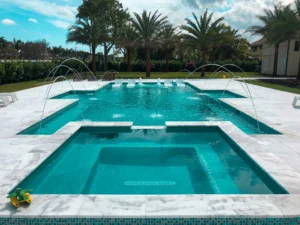
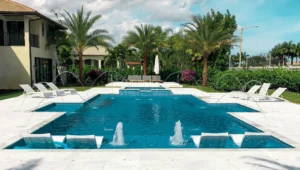
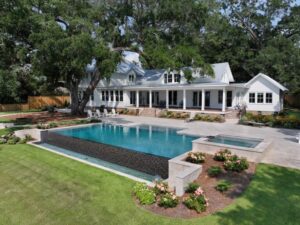
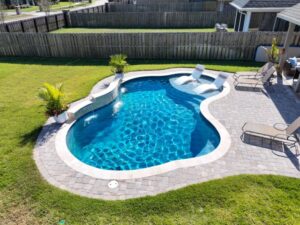
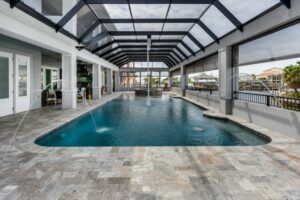
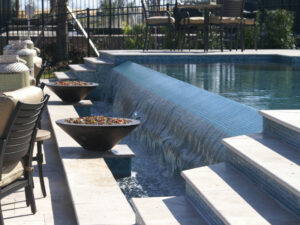
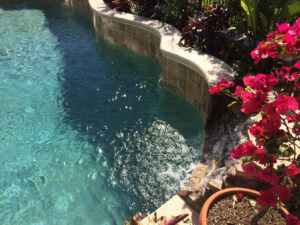
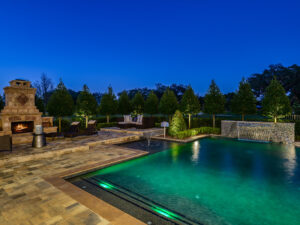
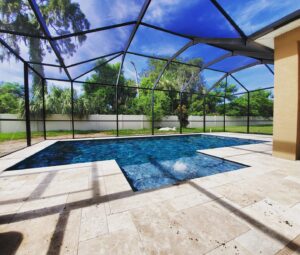
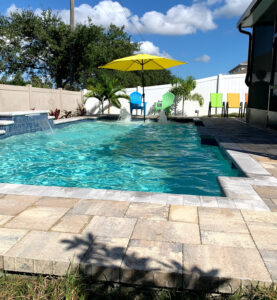
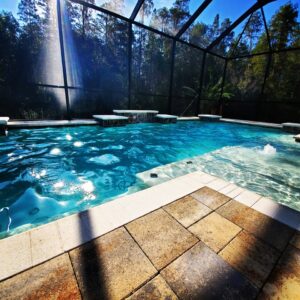
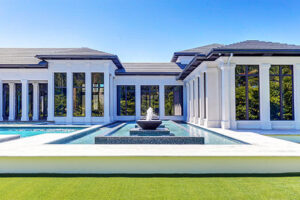
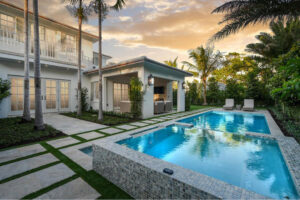
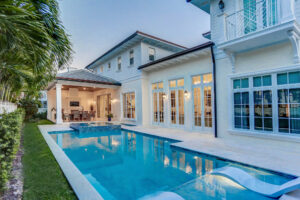
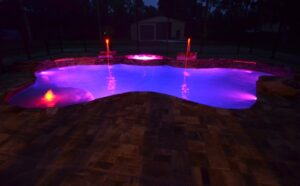
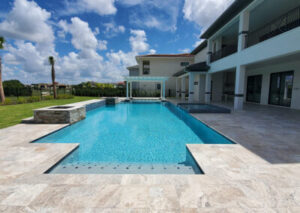
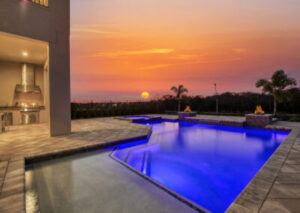
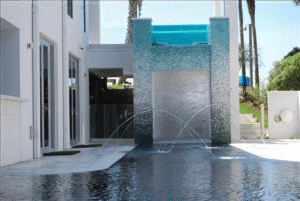
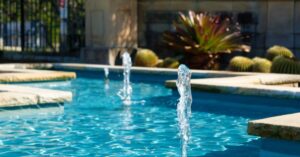

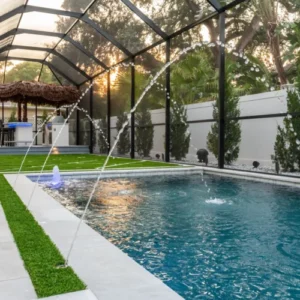
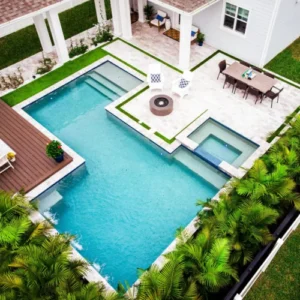
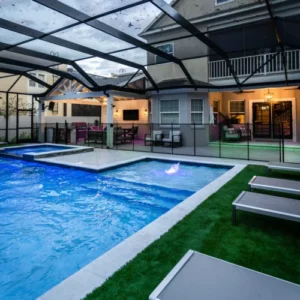
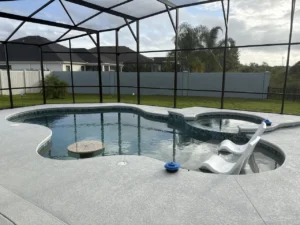
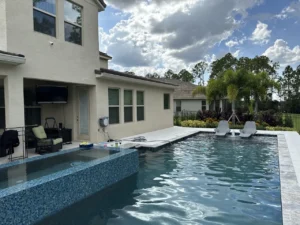
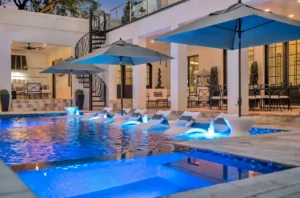
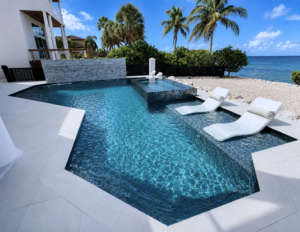
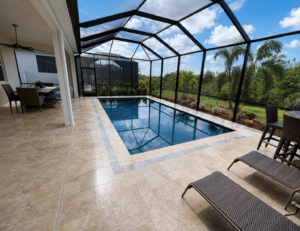
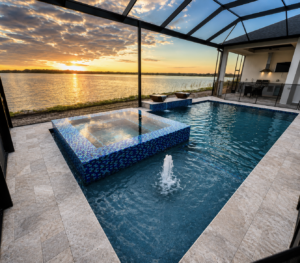
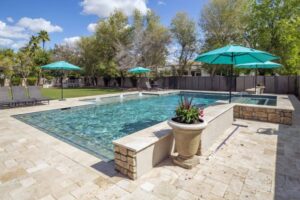
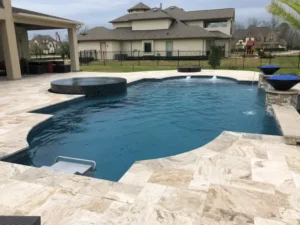
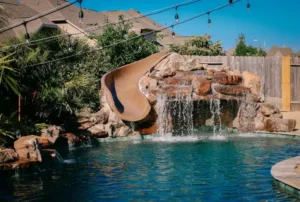
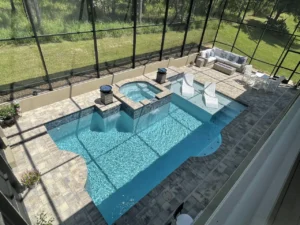
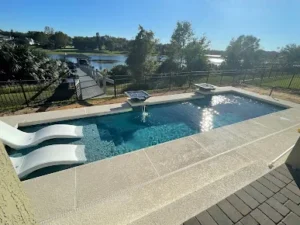
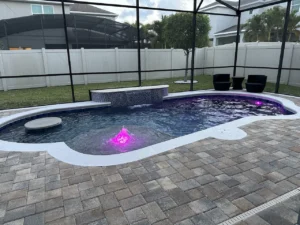
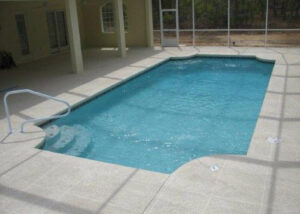
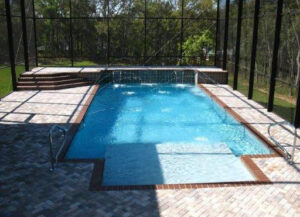
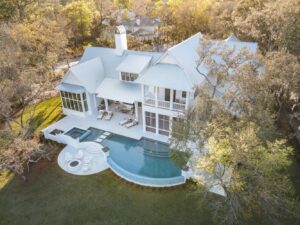
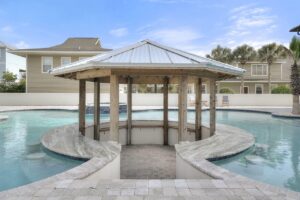

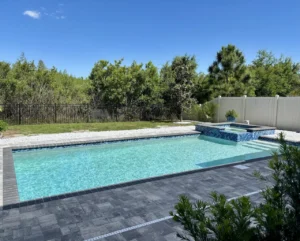
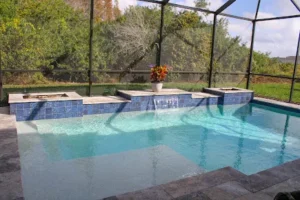
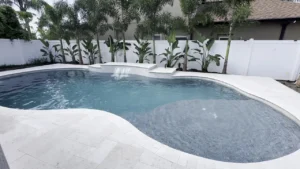
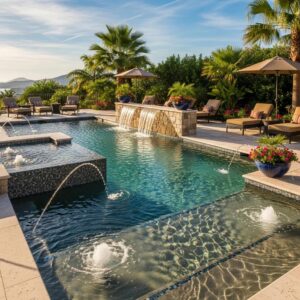
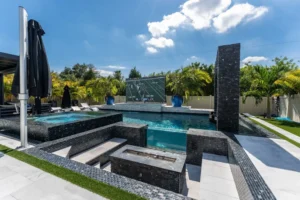
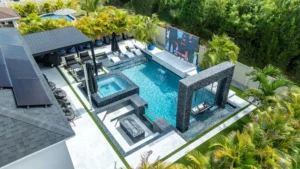
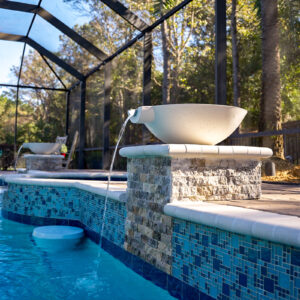
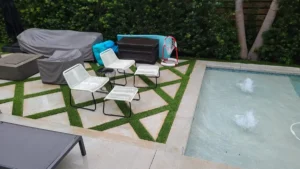
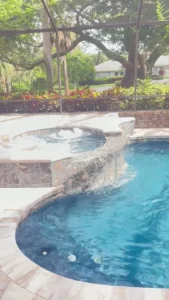
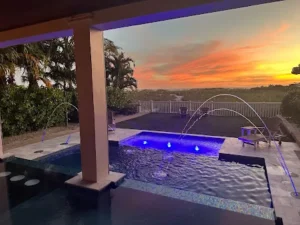
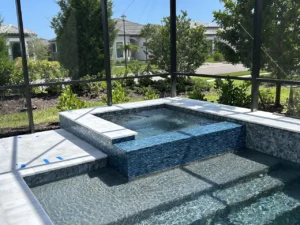



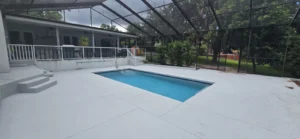
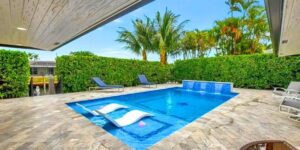

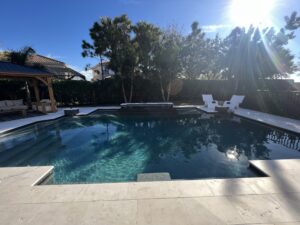
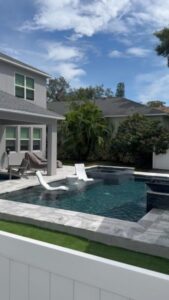
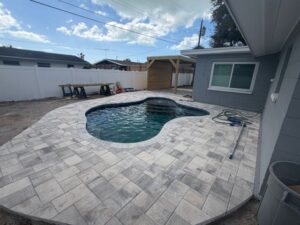
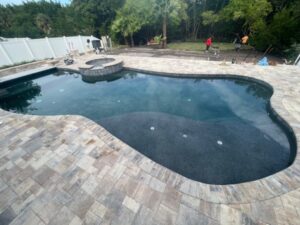

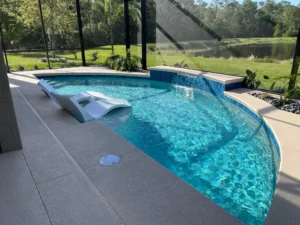
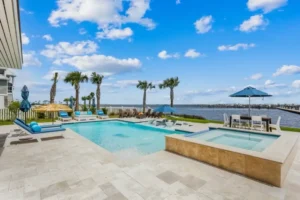
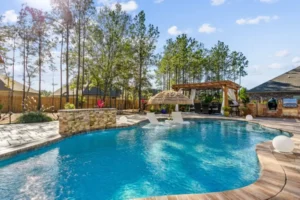






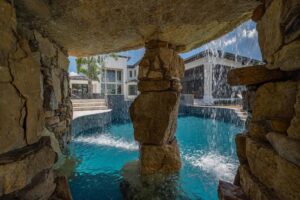
A grotto is a cave built into a pool: a roofed rock structure over water, usually with a bench or a shelf inside, most often sited behind or beneath a waterfall so the sheet forms the doorway. Walk under the water, sit down, and the sound of the garden goes away. That is the entire proposition, and it is a good one.
What it is not is a large water feature. A waterfall is a wall with water running over it. A grotto is a structure with a roof, a floor at a controlled depth and a space you occupy, and the water feature is often the least difficult part of it. Confusing the two is how people arrive at a quote they were not expecting.
The variants worth knowing about, since builders use all of them loosely on a drawing:
| On the drawing | What is actually there | What it changes |
|---|---|---|
| Grotto with a bench | A roofed space with seating at a set depth | The baseline. A structure, plus a waterfall |
| Grotto with a spa | A heated spa inside the enclosed space | Structure, plumbing and heating, all at once |
| Grotto behind a slide | The slide's landing structure doubles as the roof | Height, and a supervision question |
| Lagoon with a rock overhang | Rock work, but no enclosed space | Much cheaper, and not a grotto |
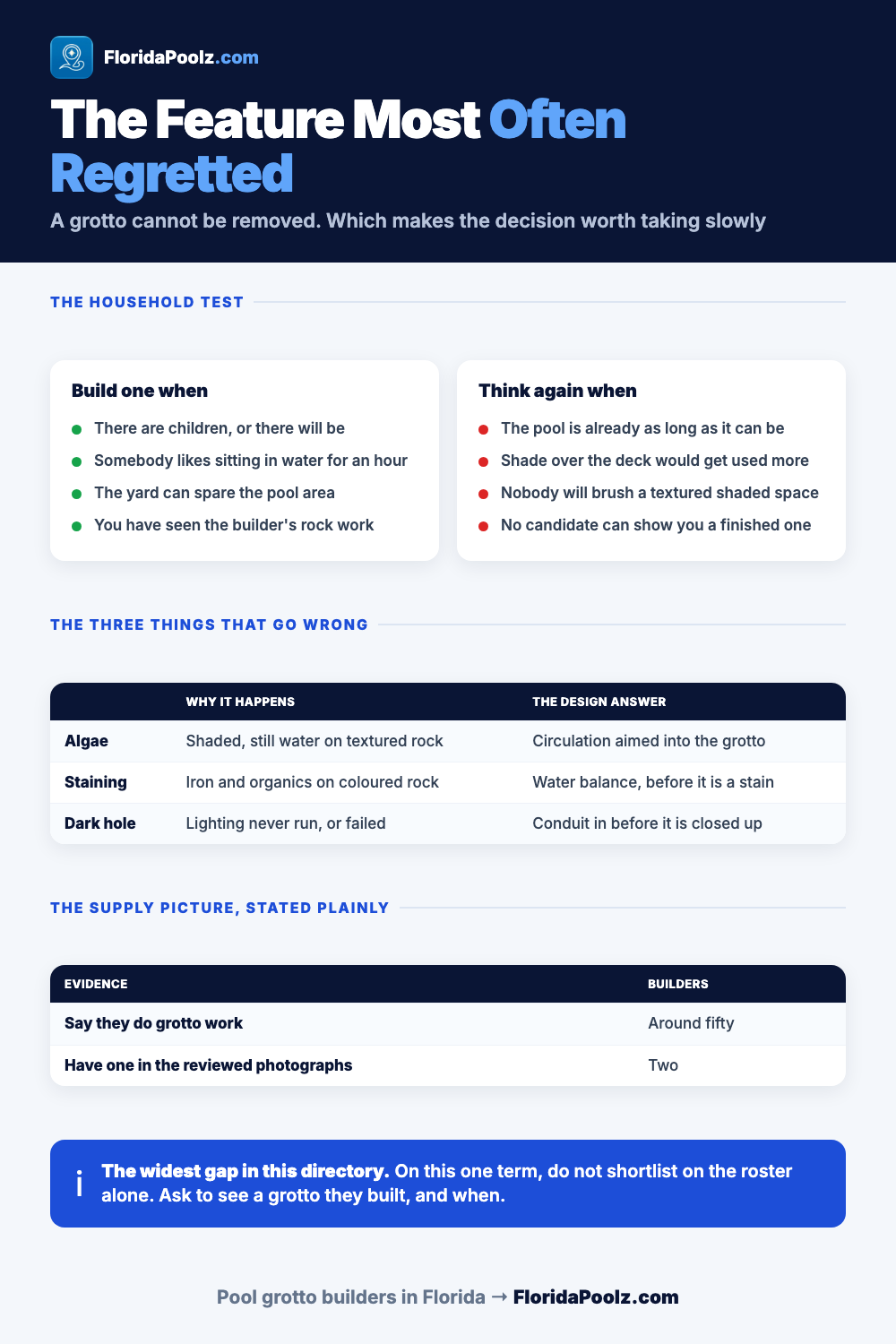
This is the module that matters most on this page, since a grotto is the single most likely feature on a Florida pool to be regretted.
A grotto creates the only genuinely shaded, genuinely private spot in an open backyard, which in this climate is worth more than it sounds. Children use it more than anything else in the pool, and remember it longest. And it makes a pool look like a destination rather than a rectangle, which is why it appears on resort pools and on the pools that imitate them.
The last one deserves the emphasis. A grotto is a permanent structure tied into the shell, and taking one out is demolition followed by a reconstruction of that part of the pool. Nobody removes a bad grotto. They live with it.
There is a household test worth applying honestly. A grotto is used by children and by adults who like sitting in water for a long time. If neither describes your household, the same money spent on shade over the deck buys something used every week.
A grotto is a second structure, and the sequence reflects that.
Steps six is the one that separates the good from the ordinary, and it is a different trade from pool building. Artificial rock is sculpted and stained by hand in the hours the material stays workable, so the result rests on an artisan rather than on a specification. Two crews working from the same drawing produce visibly different rock, and there is no way to write the difference into a contract.
Steps three and four have deadlines. The waterfall plumbing and the lighting both run inside a structure that will shortly be solid rock, and there is no retrofitting either of them afterwards without breaking the thing you paid for.
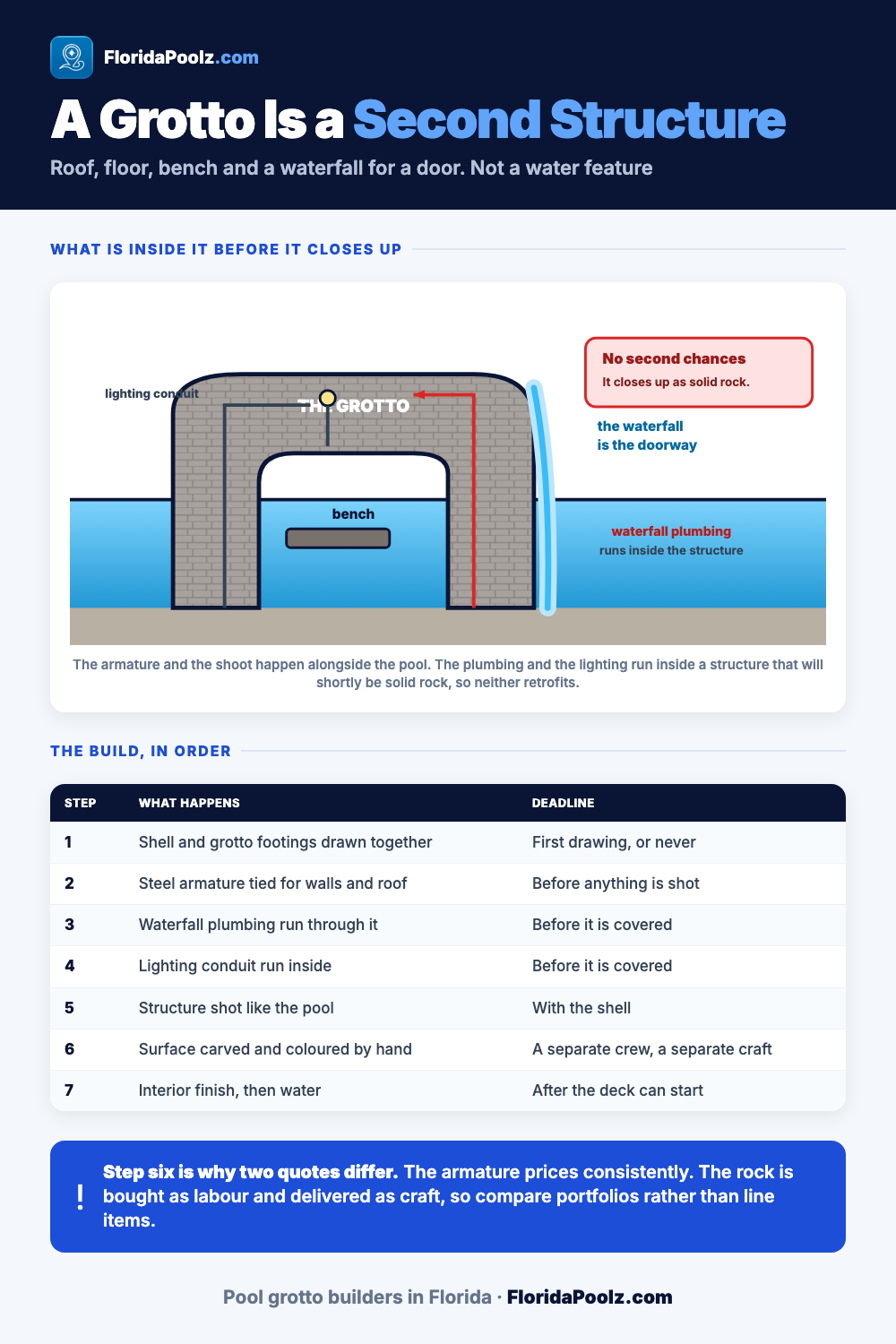
A grotto extends a pool build, and the extension is not in the shooting.
The armature and the shoot happen alongside the pool, which costs little time. The carving and colouring are separate operations by a separate crew, and they cannot start until the material is ready or finish before the deck goes down around them. On a pool where the deck, the coping and the interior finish are already a sequence of dependent steps, inserting a hand-worked structure into the middle of it lengthens the whole tail.
The honest way to ask about this is not "how long does the grotto take" but "when does the deck crew start, with and without it". A builder who has done several will answer immediately.
The failures here are not structural. They are all about what happens to a shaded, enclosed, wet space over time.
A grotto is shaded, the water inside it moves less than the rest of the pool, and its surfaces are textured rock rather than smooth plaster. That is three separate advantages handed to algae, in the one part of the pool that is hardest to reach with a brush. Circulation aimed into the grotto is the design answer, and it has to be designed in rather than added.
Water running over artificial rock leaves what it carries. Iron from a well shows as rust, organics as dark tracks, and both are far more visible on a sculpted, coloured surface than on tile. The colour is applied to the rock, so aggressive cleaning takes the colour with the stain.
A grotto is an enclosed space over water with limited air and limited light, and it is used by children. That is a supervision question rather than a construction fault, and it belongs in the conversation with the builder about how open the front of the structure is and how much light gets in.
A grotto is priced as construction, not as a feature, and the components are easy to list and hard to compare between quotes.
The carving is the line that varies most and the hardest to judge on paper. Carving is bought as labour and delivered as art, so the only useful way to compare two quotes is to compare two portfolios, in person if possible.
The running cost is a pump, since the waterfall over the entrance is what makes the grotto read as a grotto. That is the same variable-speed argument as on any water feature: on a schedule it is cheap, left running it is not.
The maintenance cost is time rather than money. Brushing a textured, shaded, awkward space is a job in a way that brushing a plaster wall is not, and it is the part most owners hand to a service company. Lighting inside a grotto fails in the wettest, least accessible part of the pool, which is why running the conduit properly at step four matters more here than anywhere.
The one genuinely cheap piece of advice: keep the water in the grotto moving. Almost every complaint about a grotto after five years traces back to circulation that was never aimed into it.
The roster above is every builder profile tracked here that names grotto work among its services, counted live. Two have a grotto in the photographs reviewed for this directory.
That is the widest gap between the two kinds of evidence anywhere in this directory, and it is the most important sentence on this page. Listing a grotto is easy. Having built one recently, well, with rock that looks like rock, is rare, and it is exactly the sort of thing a portfolio proves and a service list cannot.
So the approach here is different from every other page on this site. Do not shortlist on the roster alone. Ask each candidate to show you a grotto they built, ask when they built it, and ask whether the rock work was theirs or a subcontractor's. All three answers are legitimate. Not having one is the answer that matters.
A grotto is shot with the shell, so it belongs to the first drawing and to a gunite or concrete builder. It cannot be done on a moulded fiberglass shell.
The water over the entrance is a waterfall, priced and pumped like any other, and a smaller pool fountain effect is often added alongside it. Pool lighting matters more here than on any other feature, since an unlit grotto is a dark hole after sunset. If there is a spa going inside it, that decision changes the structure, the plumbing and the heating all at once.
Supply is thin and concentrated. Orlando, Miami and Naples carry what roster there is, along with Orange and Miami-Dade counties.
A pool with a cave built into it: a roofed rock structure over water, usually with a bench or a shelf inside, most often sited behind or beneath a waterfall so the falling sheet forms the doorway. The point of it is the space rather than the water feature. You walk under the sheet, sit down, and the rest of the garden goes quiet. Common variants are a grotto with a bench, a grotto with a spa inside it, and a grotto tucked behind a slide.
No, and confusing the two is how people arrive at a quote they were not expecting. A waterfall is a wall with water running over it. A grotto is a structure: a roof, a floor at a controlled depth, and a space somebody occupies, with the waterfall often being the least difficult part to build. That difference shows up in the price, in the schedule and in the trades involved, since the rock work on a grotto is sculpted by hand and is a different craft from pool building.
Rarely in any sensible way, and it is worth being blunt about it. A grotto is a permanent structure tied into the shell, with footings, a steel armature, plumbing and lighting all inside it. Adding one means opening the pool up, building a second structure into it, and refinishing across the joint. And the reverse is worse: nobody removes a grotto they have gone off, since taking one out is demolition followed by reconstruction of that part of the pool. This is a decision made once, on the first drawing.
More than the rest of the pool, and for three reasons that stack. A grotto is shaded, the water inside it moves less than the water outside it, and the surfaces are textured rock rather than smooth plaster. That is three advantages handed to algae in the part of the pool hardest to reach with a brush. The design answer is circulation aimed into the grotto, and it has to be designed in rather than added later. Almost every complaint about a grotto after five years traces back to that.
Yes, and it takes its footprint out of the water rather than out of the deck. That matters most on a normal Florida lot where the pool is already as long as the setbacks allow. Worth applying a household test honestly before committing: a grotto is used by children and by adults who like sitting in water for a long time. If neither describes your household, the same money spent on shade over the deck buys something used every week rather than occasionally.
The carving. The armature and the shoot are ordinary construction and price fairly consistently. The rock surface is sculpted and coloured by hand in the hours the material stays workable, so it is bought as labour and delivered as craft, and two crews working from the same drawing produce visibly different rock. There is no way to write that difference into a contract, which means the only useful comparison is between portfolios rather than between line items. Look at photographs, and if possible at a finished pool in person.
This is the one term on this site where the roster alone is not enough. Dozens of builders list grotto work; only a couple have one in the photographs reviewed for this directory, which is the widest gap in the whole dataset. Listing it is easy, and having built one recently with rock that reads as rock is rare. Ask each candidate to show you a grotto they built, ask when, and ask whether the rock work was theirs or a subcontractor's. All three answers are legitimate. Not having one is the answer that matters.
Still weighing it up? These are the choices most people compare with Pool Grotto Builders in Florida.